Why Grain Moisture Is the First Number a Mill Should Measure
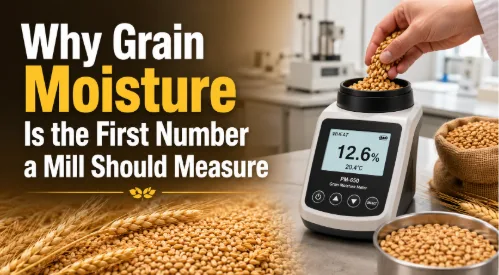
Every successful milling operation begins with one simple question: how much moisture is in the grain? Before a mill looks closely at protein, ash, test weight, or gluten quality, moisture deserves immediate attention. It affects storage, conditioning, milling behavior, consistency, and the value of incoming grain.
For millers, grain moisture is an early indicator of whether a batch can be stored safely, processed efficiently, and turned into consistent flour. A reliable reading supports faster decisions before grain moves deeper into production.
Modern mills therefore use accurate flour testing equipment to build a clear picture of incoming raw materials. Among the first instruments used is often a dependable grain moisture meter, because small moisture changes can influence later milling stages.
Moisture Affects Grain Before Milling Even Begins
Grain changes with the amount of water it contains. Wheat that arrives too wet can create storage problems, while very dry grain may behave differently during cleaning and conditioning.
Moisture influences grain hardness, kernel structure, flow characteristics, and resistance to breakage. These factors matter before roller milling begins, which is why using a grain moisture meter is an important first step in evaluating incoming wheat.
For example, excessive moisture can increase the risk of heating, mold development, microbial activity, and insect problems during storage. Very dry grain may be safer to store, but it can also become more brittle and create higher levels of broken kernels or dust during handling.
Immediate measurement gives operators an early warning about grain management.
Accurate Moisture Data Protects Stored Grain
Storage is a major reason to measure moisture as soon as a load arrives. Wheat from different farms, regions, suppliers, or harvest periods can vary considerably.
If wetter grain enters storage without proper control, deterioration risk rises. Even visually clean grain can develop problems when moisture supports biological activity.
A reliable moisture check helps staff decide whether grain can enter long-term storage, needs aeration, requires drying, or should be processed sooner.
The reading can support decisions such as:
- Choosing the correct storage silo
- Separating wetter grain from drier batches
- Adjusting aeration or drying strategies
- Reducing the risk of mold and heating
- Protecting grain quality during longer storage periods
These decisions can prevent costly losses.
Moisture Determines How Wheat Should Be Conditioned
Conditioning, or tempering, is a critical milling step. Water is added before grinding to toughen the bran and soften the endosperm, helping separation occur more efficiently.
However, conditioning cannot be controlled properly unless the starting moisture is known.
If the wheat already contains more moisture than expected, adding a standard amount of water may over-condition the grain. If the wheat is unusually dry, the same water addition may not be enough.
The initial reading therefore helps millers calculate how much water is needed to reach the conditioning target.
A small error at this stage can affect flour extraction, bran separation, energy consumption, and the stability of the milling process.
Better Moisture Control Supports Consistent Milling
Commercial mills need consistency. Customers expect flour to perform similarly from batch to batch, even when wheat sources change.
Moisture variation can disrupt that consistency.
Wheat with different moisture levels may respond differently to grinding pressure, roller settings, sifting, and purification. If operators fail to identify those differences early, the mill may need more adjustments later in production.
Stable moisture control gives the team a more predictable starting point and supports smoother break and reduction performance.
Protein, gluten, ash, falling number, and other parameters remain essential. Moisture often comes first because it influences how later results and production decisions are interpreted.
Moisture Also Has a Direct Commercial Impact
Grain is bought and sold by weight, which means moisture has financial importance. Water contributes to the total weight of a grain shipment, but it does not contribute to flour solids in the same way as dry matter.
Two loads may weigh the same while containing different amounts of usable dry material.
Moisture data therefore matters when evaluating purchasing terms, supplier specifications, and incoming grain value. Accurate readings help mills compare loads fairly.
If moisture measurements are inconsistent, commercial decisions can also become inconsistent. Even small errors can affect purchasing costs, inventory calculations, and production planning.
A dependable testing routine therefore supports both technical quality control and financial control.
Fast Testing Helps Mills Make Decisions at Intake
Speed is especially valuable at grain reception. Trucks may arrive continuously, and operators often need to decide quickly whether a load meets specifications.
Slow basic testing can delay unloading, storage decisions, and intake flow.
A practical moisture testing process allows quality teams to examine representative samples and produce fast results before grain is committed to a silo or production line.
A practical workflow is simple: collect a representative sample, measure moisture, record the result, compare it with limits, and choose the next step.
Sampling still matters because even an accurate instrument cannot correct an unrepresentative sample.
Representative Sampling Makes the Number More Useful
A moisture result is only meaningful when the sample reflects the actual grain lot. Moisture can vary within a truck, storage bin, or delivery, especially if grain has been harvested, transported, or stored under uneven conditions.
Mills should therefore use consistent sampling procedures rather than testing a small amount taken from one convenient location.
Composite samples can give a better view of the load. Staff should also handle samples consistently so moisture is not lost or gained before measurement.
Good sampling improves confidence in the result and makes comparisons between suppliers and batches more reliable.
Temperature should also be considered when interpreting moisture results. Grain arriving from a hot field, a cool storage bin, or a cold transport environment may behave differently during measurement and handling. Consistent procedures help reduce variation caused by these conditions. Mills that record moisture together with sample identity, supplier, intake time, and storage destination also create a stronger traceability system. If a later quality issue appears, staff can review the intake information and understand how that batch entered production. This turns a simple moisture reading into operational data for quality assurance, supplier evaluation, and process improvement.
Regular Verification Keeps Testing Dependable
Moisture instruments simplify routine testing, but they still need proper care. Mills should follow manufacturer instructions for operation, cleaning, verification, and calibration.
A strong quality control routine may include periodic comparison against a reference method, especially when a facility processes large volumes or works with strict customer specifications.
Operators should also be trained to use the equipment consistently. Differences in sample size, temperature, handling, or measurement procedure can create avoidable variation.
Standardized testing across shifts makes moisture data more dependable.
Moisture Data Works Best With Other Quality Tests
Although moisture should be one of the first values measured, it should not be considered alone. Strong milling decisions combine moisture with other relevant quality indicators.
A mill may also evaluate protein content, gluten strength, test weight, ash, falling number, kernel defects, foreign material, or other characteristics depending on the wheat type and final flour specification.
Moisture creates context for these results. It helps explain how grain may behave during storage and conditioning while other tests describe its baking, processing, or compositional potential.
Together, these measurements help millers sort wheat, build stable blends, and reduce unexpected flour variation.
The First Number Can Shape the Entire Milling Process
Moisture testing matters because it affects decisions early. One accurate intake number can influence storage, blending, conditioning, grinding, extraction, purchasing, and product consistency.
For modern mills, grain moisture is more than a routine laboratory measurement. It connects raw material quality with production efficiency.
When mills measure moisture first, use representative samples, maintain reliable instruments, and combine the result with broader quality testing, they create a stronger foundation for every stage that follows. The process begins with a simple measurement, but the benefits can be seen throughout the entire mill.