Why Home Heating Bills Are Climbing — & When Replacing Your Unit Actually Pays Off
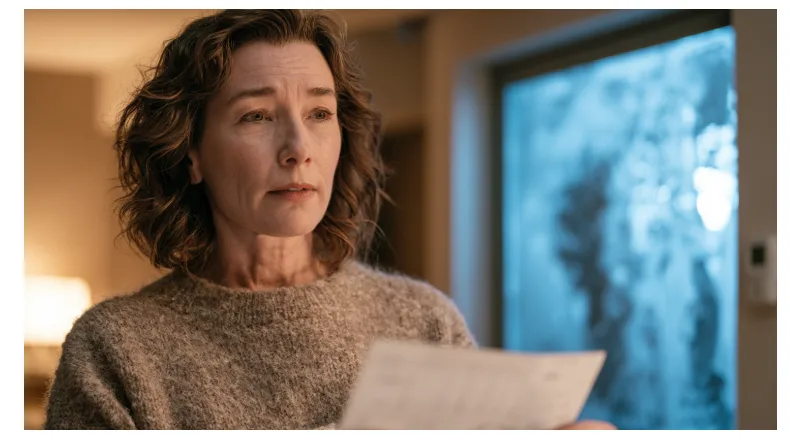
Home heating bills have climbed for several winters in a row, and most households feel it directly. The instinct is to blame the utility company, but the cost on the statement is rarely about rates alone. Part of that increase comes from the heating equipment itself — how efficiently it still runs after years of use. This article looks at where “expensive energy” ends and “aging equipment” begins, and how to tell which one is actually draining your budget.
Many homeowners assume a higher bill means higher rates and stop there. In reality, a furnace or boiler loses efficiency as it ages, so it burns more fuel or draws more electricity to deliver the same amount of heat. When a bill jumps without any change in how the house is used, people increasingly search for a “heater replacement near me” to find out whether the unit itself is the thing quietly costing them money. That instinct is reasonable — the equipment is often the most overlooked line item in the whole equation.
The goal here is practical. We’ll break down what really drives up heating costs, how to distinguish a genuinely cold season from a failing system, and the point at which replacing a unit saves money rather than just spending it.
What’s Actually Driving Your Heating Bills Up
A heating bill is the sum of several forces working at once, not a single cause. Treating it as one number hides what you can actually control.
Energy Prices and Rate Structure
Fuel costs move with the market. Natural gas, electricity, and heating oil all shift seasonally, and many utilities charge more during winter peak periods. A higher per-unit rate means the same amount of heat costs more than it did last year, even if nothing in your home has changed.
Weather and Longer Cold Spells
The colder and longer the season, the more hours your system runs. Extended cold snaps force the unit to cycle far more often, and every extra run-hour adds to consumption. A bill can rise sharply in a hard winter purely because the equipment worked more, not because anything is wrong with it.
Home-Side Factors
Your house affects the bill as much as the weather. Common culprits include:
- Poor or aging insulation that lets heat escape
- Air leaks around windows, doors, and ductwork
- A thermostat set higher than necessary, or a failing one that misreads temperature
- Clogged filters that force the system to work harder
These are often the cheapest issues to fix and the first worth ruling out.
The Factor People Miss: Declining Equipment Efficiency
Heating equipment loses efficiency with age. A unit that once converted most of its fuel into usable heat gradually wastes more of it, so it consumes more to produce the same result. This decline is slow and easy to miss — which is exactly why it leads straight to the next question.
How an Aging Heater Quietly Inflates Your Costs
Old heating equipment rarely fails all at once. More often, it overpays for years before it ever breaks, and the cost shows up as a creeping bill rather than a sudden emergency.
Efficiency Decay Over Time
As components wear, a system delivers less heat per unit of fuel. You may notice it through short cycling — the unit turning on and off rapidly — or rooms that never quite reach the set temperature. The thermostat reads “on,” but the comfort and the efficiency both slip.
The Repair Creep
A single repair is easy to justify. The problem is the pattern. When small fixes start arriving every season, their combined cost can quietly approach what a replacement would have cost in the first place. Money spent keeping an old unit alive is money not spent on one that runs cheaper.
Warning Signs Your Unit Is the Problem
A few signals suggest the equipment, not the weather, is behind the rising cost:
- Bills climbing without any change in how much you use heat
- Uneven heating, with some rooms warm and others cold
- New noises, rattles, or frequent on-off cycling
- A unit that’s 15 years old or more
- Repairs are becoming a yearly routine rather than a rare event
One sign alone may mean little. Several together usually indicate that a system is reaching the end of its useful life.
Repair or Replace? How to Tell the Difference
A high bill is not automatic proof that you need a new unit. The decision needs a clear standard, or you risk spending on a replacement you didn’t need — or pouring money into a unit that should be retired.
The Cost Math
A common way to weigh the choice is to compare the repair cost against the unit’s age and the price of replacing it. When a repair costs roughly half as much as a new system and the unit is already old, replacement usually offers the better long-term value. A cheap fix on a young unit is the opposite case.
Efficiency Gains From a New Unit
Newer systems are designed to run more efficiently than equipment from a decade or more ago. That difference can reduce what you spend each month to stay warm, which is part of why a replacement can pay for itself over time rather than simply costing money upfront.
When Repair Is the Smarter Call
Replacement isn’t always the answer. If the system is relatively young and the failure is a one-time, repairable issue, fixing it is often the wiser move. Age, repair history, and efficiency — not panic over a single bill — should drive the decision.
What a Replacement Actually Pays Back
A new unit is an investment with measurable returns, not just an expense. Understanding what comes back helps frame the upfront cost in the right context.
Lower Monthly Operating Cost
A more efficient system uses less fuel or electricity to heat the same home. Those monthly savings accumulate, offsetting part of the replacement cost over the life of the unit. The payback is gradual but real.
Fewer Breakdowns and Emergency Calls
A reliable system means fewer mid-winter failures and fewer urgent service calls. Beyond the money saved on repairs, there’s the value of avoiding heat loss during the coldest stretch of the year, when demand for service is highest.
Comfort and Home Value
A properly sized, modern unit heats more evenly, removing the cold spots an aging system leaves behind. Reliable, efficient heating equipment also adds to the overall appeal of a home — a quieter benefit, but a genuine one.
How to Make the Decision Without Guessing
The strongest decision rests on diagnosis, not assumption. A bill tells you something is off; it doesn’t tell you what or why.
Get a Written Estimate and Honest Diagnostic
Start with a clear assessment of the unit’s condition and a written estimate that lists materials, labor, and scope. Transparency at this stage protects you from both unnecessary replacements and repeated repairs that lead nowhere.
Compare Repair-vs-Replace in Numbers, Not Fear
Ask for the cost of both paths laid out side by side. A decision built on actual figures — repair cost, replacement cost, expected efficiency gain — is far sounder than one made under the pressure of a single expensive winter.
Factor in Financing and Timing
The upfront cost of a replacement is easier to manage when financing options or off-season timing are part of the plan. Spreading the cost or scheduling outside peak demand can lower the barrier to a decision that saves money in the long run.
The Bottom Line
A rising heating bill is the sum of three things: energy rates, weather, and the efficiency of your equipment. The first two are largely out of your hands. The third — an aging unit quietly burning more than it should — is often the most controllable cost of all, once you can identify it.
The honest way to settle the question is a proper diagnostic and a clear repair-versus-replace comparison, not guesswork after a bad statement. Established contractors that provide written estimates and straightforward advice make that easier. Region Home Services, a family-owned home services contractor with nearly 50 years of experience, is one example of that approach — offering honest repair-or-replace guidance and clear, itemized estimates so homeowners can see whether the equipment is truly the problem before committing to a replacement.