Why Hybrid Rifle Stocks Are Becoming the New Standard for Modern Hunters and Precision Shooters
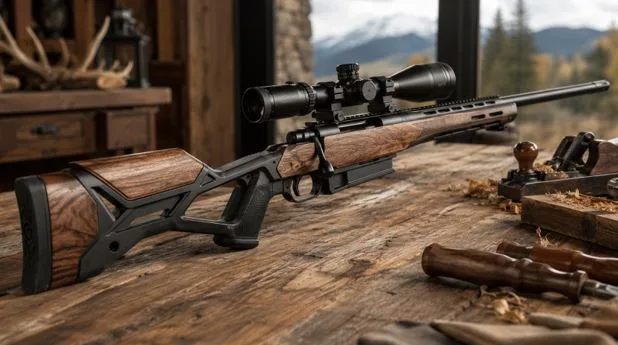
Rifle stock design has changed significantly over the past decade. For many years, shooters often had to choose between the classic feel of wood and the practical advantages of modern synthetic or chassis-style systems. Today, that choice is becoming less rigid.
A growing number of hunters, sport shooters, and precision rifle owners are looking for stocks that combine traditional styling with modern ergonomics, improved stability, and better field usability. This has helped drive interest in hybrid rifle stocks — designs that blend natural materials, precision engineering, and functional upgrades in a single platform.
The trend reflects a broader shift in the shooting sports industry: rifle owners want gear that performs well, feels comfortable, and still has a sense of craftsmanship.
The Rifle Stock Has Become More Than a Support Piece
A rifle stock is not just a visual component. It affects how the rifle fits the shooter, how naturally it shoulders, how stable it feels in different positions, and how comfortable it is during long use.
Traditional wood stocks remain popular because of their warmth, balance, and heritage appeal. Walnut, in particular, continues to be associated with premium firearm design because of its strength, grain character, and timeless appearance.
At the same time, many modern shooters now expect features that were once mostly associated with tactical or precision platforms, including:
- Improved grip geometry
- More stable bedding systems
- Adjustable or modular components
- Accessory mounting options
- Better control from field and bench positions
- A balance between durability and visual appeal
This is where hybrid stock design has found its place.
What Makes a Rifle Stock “Hybrid”?
A hybrid rifle stock typically combines traditional materials, such as hardwood, with modern structural components like aluminum, polymer, or chassis-inspired elements.
The idea is not simply to make a rifle look more modern. The goal is to create a stock that keeps the familiar appeal of wood while improving the shooter’s overall experience.
For many rifle owners, this combination offers a middle ground. The rifle still feels refined and classic, but it can also support a more stable, ergonomic, and adaptable setup.
Why Hybrid Designs Are Gaining Attention
The growth of hybrid rifle stocks is closely connected to how people use rifles today. Many shooters no longer see a hunting rifle, range rifle, or precision setup as completely separate categories. A single rifle may be used for deer season, target practice, long-range training, or general outdoor use.
Because of that, rifle owners often want a stock that can handle more than one role.
Better Fit and Ergonomics
Modern stock design places greater emphasis on how the shooter interacts with the rifle. Grip angle, cheek position, length of pull, comb height, and forend shape can all influence comfort and repeatability.
A stock that fits well can make the rifle feel more natural, especially during long range sessions or extended time in the field.
Traditional Looks Without Giving Up Function
Many shooters still prefer the look of wood over fully synthetic designs. A well-shaped walnut stock has a character that is difficult to replicate with polymer or composite materials.
Hybrid stocks allow rifle owners to keep that classic appearance while gaining practical features that support modern shooting needs.
More Stable Shooting Experience
A quality stock can help create a more consistent connection between the rifle and shooter. Modern materials and construction methods may support rigidity, bedding stability, and improved control.
This does not replace safe handling, proper training, or good fundamentals, but it can improve how the rifle feels and performs in real-world use.
Craftsmanship Is Becoming a Differentiator Again
As rifle accessories become more technical, craftsmanship has become an important part of product identity. Shooters are not only comparing features; they are also looking at how a stock is shaped, finished, balanced, and integrated with the rifle.
This is one reason brands in the premium rifle furniture space have started focusing on both performance and presentation. Companies such as WOOX, for example, are part of a broader movement toward rifle stocks that combine wood craftsmanship with modern chassis-inspired design.
That kind of approach reflects where the market is heading. Modern shooters want equipment that works well, but they also want it to feel personal and well-made.
Why Material Choice Matters
Material selection plays a major role in rifle stock design. Each material brings a different advantage.
Wood offers warmth, natural texture, and traditional appeal. Premium walnut is especially valued for its grain pattern and refined finish.
Aluminum can provide structural strength and support a more stable platform.
Polymer and composite materials may offer weight savings and resistance to weather, depending on the design.
Hybrid rifle stocks use these materials selectively. Instead of relying on one material for everything, they combine materials where each one makes the most sense.
Rifle Owners Are Personalizing Their Setups
The aftermarket rifle stock market has grown because shooters increasingly want rifles that fit their specific preferences. A factory stock may be practical, but it does not always match the owner’s preferred feel, appearance, or shooting style.
Aftermarket stocks allow rifle owners to refine a rifle’s handling and personality. For hunters, that may mean a more comfortable carry and a better shooting position. For range users, it may mean improved consistency and a more controlled feel.
This trend is especially visible across popular rifle platforms such as the Remington 700, Ruger 10/22, Howa 1500, Weatherby Vanguard, Tikka T3x, Ruger American, and Savage 110.
Responsible Use Remains Essential
Any rifle upgrade should be approached carefully. Shooters should always confirm compatibility before purchasing or installing an aftermarket stock. Action length, barrel profile, inlet type, magazine system, and hardware requirements can vary depending on the rifle and stock model.
Installation should also follow the manufacturer’s current instructions. If the shooter is unsure, working with a qualified gunsmith is a sensible step.
Modern stock design can improve comfort and usability, but responsible firearm ownership and safe handling remain the foundation of shooting sports.
The Future of Rifle Stock Design
The future of rifle stock design will likely continue moving toward balanced, hybrid solutions. Shooters want stocks that are attractive, durable, ergonomic, and practical across different uses.
Instead of choosing between classic wood and modern function, rifle owners now have more options that combine both. A rifle can look traditional without feeling outdated. It can be modern without losing character. It can be functional without appearing purely tactical.
Hybrid rifle stocks represent that balance — and for many hunters and precision shooters, that balance is becoming the new standard.