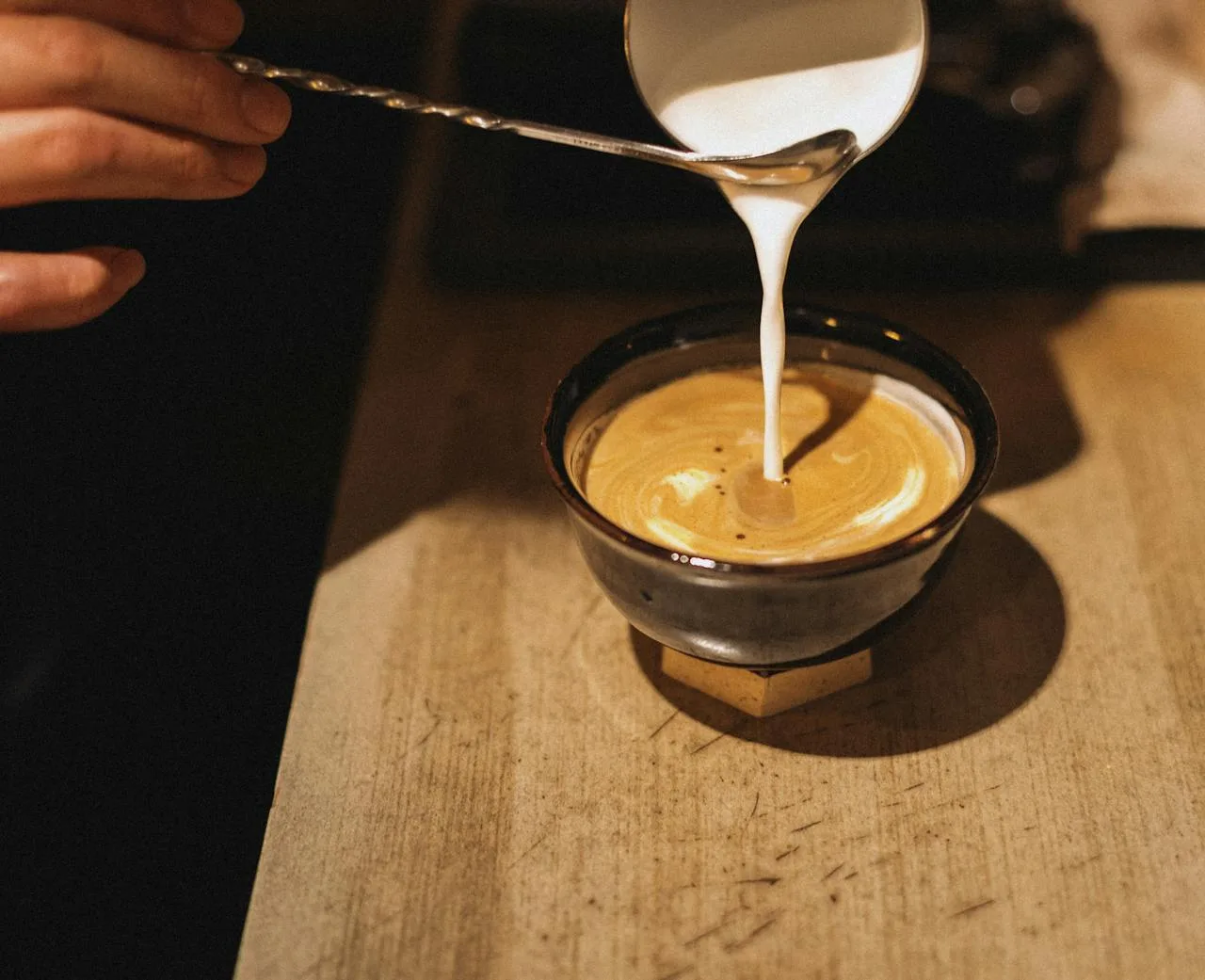
Why Japanese Coffee Culture Is Gaining Global Attention
For decades, countries like Italy, France, and Brazil dominated conversations around global coffee culture. Today, however, a quieter yet deeply influential movement is capturing the attention of coffee lovers worldwide: Japanese coffee culture. Known for its precision, craftsmanship, and reverence for process, Japan’s approach to coffee offers something increasingly rare in a fast-paced world intentionality.
From meticulous pour-over methods to carefully calibrated roasting profiles, Japanese coffee culture has transformed a daily habit into an art form. As global consumers seek higher-quality, more meaningful coffee experiences, Japan’s philosophy-driven approach is resonating far beyond its borders.
A Culture Rooted in Craft and Discipline
Japanese craftsmanship is globally admired, whether in ceramics, cuisine, or architecture. Coffee is no exception. In Japan, making coffee is not just about the end result it’s about the process. Every step, from bean selection to grind size to water temperature, is treated with respect and precision.
This mindset draws from broader cultural principles such as shokunin (artisan dedication) and kaizen (continuous improvement). Baristas often spend years refining a single brewing method, striving for balance and consistency rather than speed or volume. The result is coffee that feels thoughtful, clean, and deeply satisfying.
The Rise of Kissaten and Slow Coffee
Long before specialty coffee became a global trend, Japan had its own coffee institutions known as kissaten traditional coffee houses that emerged in the early 20th century. These spaces emphasized quiet reflection, carefully brewed coffee, and a sense of ritual.
Unlike modern cafés designed for quick turnover, kissaten encouraged customers to slow down. Coffee was often brewed by hand, one cup at a time, using methods like cloth drip or siphon brewing. These techniques highlighted clarity and nuance, shaping Japan’s preference for lighter, more delicate flavor profiles.
As global coffee culture shifts toward mindfulness and experience-driven consumption, the values embodied by kissaten feel more relevant than ever.
Precision Brewing as a Global Influence
One of Japan’s most visible contributions to global coffee culture is its refinement of manual brewing methods. Tools like the Hario V60, Kalita Wave, and siphon brewers have become staples in specialty cafés around the world.
These methods emphasize control over extraction time, water flow, and temperature allowing subtle flavors to shine. Japanese brewing techniques appeal to coffee enthusiasts who want to engage actively with their cup rather than passively consume it.
The popularity of these tools has helped reposition coffee as a craft beverage, similar to wine or tea, where origin, processing, and technique all matter.
Japanese Roasting Philosophy
Japanese coffee roasting tends to prioritize balance, clarity, and drinkability. Rather than aggressively dark roasts designed to mask flaws, many Japanese roasters aim to highlight the inherent character of the bean. This often results in lighter to medium roasts that preserve acidity while maintaining smoothness.
This approach aligns with Japan’s broader culinary philosophy, which values harmony and subtlety over bold dominance. For global coffee drinkers accustomed to heavy, smoky flavors, Japanese roasting offers a refreshing alternative one that rewards attention and develops complexity with each sip.
Brands like Japanese Coffee Co are helping introduce traditional Japanese roasting techniques to coffee lovers around the world through carefully crafted specialty blends.
Attention to Detail and Quality Control
Another reason Japanese coffee culture stands out globally is its uncompromising attention to detail. Consistency is not optional it is expected. From storage conditions to packaging design, every element is carefully considered to protect freshness and quality.
This meticulousness extends to sourcing as well. Many Japanese roasters prioritize traceability and long-term relationships with coffee producers. Ethical sourcing and quality control go hand in hand, reinforcing trust between roasters, farmers, and consumers.
As global consumers become more conscious of where their coffee comes from, this transparent, respectful approach holds strong appeal.
Minimalism Meets Experience
Japanese aesthetics often favor minimalism, and this philosophy translates seamlessly into coffee culture. Packaging tends to be clean and understated. Cafés are thoughtfully designed, avoiding excess in favor of calm, functional beauty.
This minimalism allows the coffee itself to take center stage. Without distractions, drinkers are encouraged to focus on aroma, flavor, and texture. In a world saturated with overstimulation, this pared-down approach feels refreshing and intentional.
For many international consumers, Japanese coffee represents not just a beverage, but a moment of pause.
Global Demand for Authentic Experiences
The growing global interest in Japanese coffee culture reflects a broader shift in consumer behavior. People are increasingly drawn to authenticity, craftsmanship, and stories behind the products they consume. Coffee is no longer just fuel it’s an experience tied to identity and values.
Japanese coffee culture offers a compelling narrative: one of patience, respect for process, and quiet excellence. These qualities resonate strongly with specialty coffee communities, home brewers, and café owners looking to differentiate themselves in a crowded market.
Social media and global shipping have further accelerated this trend, allowing Japanese-inspired coffee philosophies to reach audiences worldwide.
The Future of Japanese Coffee on the World Stage
As specialty coffee continues to evolve, Japanese influence is likely to grow even stronger. Its emphasis on balance over boldness, ritual over rush, and mastery over mass production offers a counterpoint to industrialized coffee culture.
Rather than chasing trends, Japanese coffee culture refines fundamentals and that timeless approach ensures lasting relevance. As more brands, cafés, and consumers adopt these principles, the global coffee landscape becomes richer and more diverse.
Conclusion
Japanese coffee culture is gaining global attention not through hype, but through quiet excellence. Its focus on craftsmanship, precision, and respect for both beans and brewers offers a deeply satisfying alternative to fast, commodified coffee.
By blending tradition with innovation and simplicity with depth, Japan has redefined what coffee can be. As global audiences continue to seek meaningful, high-quality experiences, Japanese coffee culture is not just a trend it’s a lasting influence shaping the future of how the world drinks coffee.