Why Knowing What to Do in a Medical Emergency Is Your Best Safety Net
Medical emergencies happen without warning, making certified safety training a vital asset for any workplace or household. By taking recognized First Aid and CPR courses, you gain the confidence to act fast, prevent further injury, and potentially save a life before paramedics even arrive on the scene.
Imagine you are grabbing your morning coffee at the office, and suddenly a coworker collapses. Would you know what to do? Panic is a totally natural human reaction, but it simply doesn’t help the person on the floor. Getting certified through a proper First Aid Training Red Cross program is the best way to turn that sudden panic into calm, decisive action. You stop guessing and start helping.
Why is formal training better than just searching online?
We live in an age where you can find a video tutorial for almost anything. But when a real emergency strikes, you won’t have the time to buffer a YouTube video. You need muscle memory.
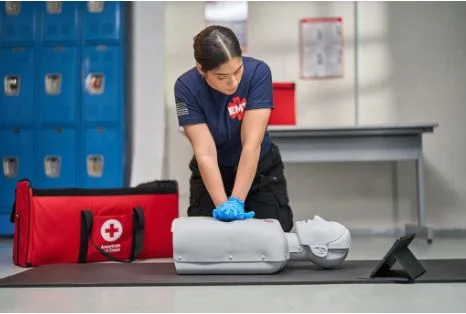
In-person practice with certified instructors ensures you are doing things correctly. Pressing too lightly during CPR, for instance, won’t pump blood effectively. Pressing too hard in the wrong spot can cause unnecessary injury. Hands-on practice with specialized mannequins gives you the real-time feedback that a screen simply cannot provide.
What makes modern blended learning so effective?
Let’s face it, taking a full two days off work to sit in a classroom is tough for most people. Thankfully, training has evolved. Blended learning is now the gold standard.
This method lets you tackle the heavy theory portions online at your own pace from your couch. Then, you just pop into the classroom for a single, focused session to physically practice your skills. It is highly efficient, deeply engaging, and fully OHS approved.
How does safety certification actually benefit your career?
Having safety skills on your resume is a major green flag for employers. It shows you are responsible and proactive. Every business needs a certain number of trained staff on-site to stay compliant with provincial safety regulations.
By walking into an interview already certified, you solve a problem for the hiring manager before they even have to ask. You immediately become a stronger asset to the team. Plus, knowing you can keep your coworkers safe creates a culture of mutual respect and trust.
If you are looking for first aid training near Downtown Edmonton, the intersection of Jasper Avenue and 101 Street NW, or other areas close to our facility, then you may reach out to Coast2Coast First Aid/CPR – Edmonton in that area. For more info and articles like this visit: https://www.c2cfirstaidaquatics.com/
FAQs
How often do I need to renew my CPR certification?
Your certificate is generally valid for three years from the date of issue. However, many industries require annual CPR renewals to ensure your physical skills stay sharp and you are up to date on any new medical guidelines.
Do I need any prior medical knowledge to take a class?
Not at all. Standard courses are designed specifically for the general public. Instructors break down complex medical concepts into easy-to-understand, actionable steps.
What is the difference between CPR Level C and Basic Life Support (BLS)?
CPR Level C teaches you how to perform CPR and use an AED on adults, children, and infants. BLS is a much faster-paced, high-intensity course designed specifically for healthcare professionals and first responders working in team environments.
Is blended learning fully recognized by employers?
Yes. As long as the physical skills session is completed in person with a certified instructor, blended learning certificates carry the exact same weight and OHS approval as traditional, fully in-class courses.
Will I actually have to practice chest compressions?
Absolutely. You will practice on specialized training mannequins. This is a crucial part of the course because it builds the physical stamina and muscle memory you need for a real-life situation.