Why Lamination Film Roll Is Still a Staple of Modern Printing and Packaging
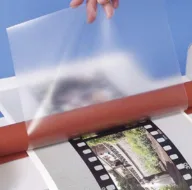
Advancements in digital printing technology have revolutionized the production of signs, labels, packaging, and promotional graphics for businesses large and small. Faster print speeds combined with excellent image quality have opened up new opportunities in nearly every market segment. However, even the best-quality printing will fade visually if it’s not properly protected.
This is where the humble lamination film roll becomes a vital component for printers, sign makers, and packaging manufacturers. Applied to commercial graphics, retail displays, vehicle decals, and product labels, laminations help extend the lifespan of printed materials while enhancing their appearance.
Protective Layering Is Now Done for Aesthetic Reasons Too
Whether you think of lamination as a coating that preserves printed graphics or simply adds an aesthetic touch, it serves several valuable purposes.
A good quality laminate protects your printed images from abrasions, moisture, dirt, fingerprints, and general wear and tear. It can also slow down fading due to ultraviolet light, extending the life of outdoor and indoor graphics.
Lamination provides peace of mind for businesses that invest significant money into advertising or promotional graphics. By maximizing service life, you can minimize the overall cost of replacements.
Plus, in many cases, applying lamination also enhances the look of the print job by leaving a smoother, more professional finish.
Lamination Film Rolls Come in Many Different Surface Finishes
If all laminates were the same, there would only be one option to choose from. Modern laminate film rolls are available in a wide variety of surface finishes, allowing you to customize the appearance based on your application.
Here are two popular finishes and the effects they create:
- Gloss: Glossy lamination produces a bright, reflective surface that increases color sharpness. Gloss laminates are frequently used on posters, retail displays, and other promotional graphics where you want vibrant colors.
- Matte: Matte finishes limit shine and reflection, giving printed graphics a more sophisticated appearance. Matte laminates are a popular choice for upscale packaging, interior graphics, and professional presentation materials.
There are also textured films, anti-slip films, and specialty decorative laminates for unique applications.
Where to Find Lamination Film Rolls Being Used
Due to its many benefits, lamination film rolls are used in countless industries for various applications. You’ll commonly see them applied to:
- Large-format advertising graphics
- Vehicle decals and wraps
- Window graphics
- Floor graphics
- Product labels
- Restaurant menus
- Retail point-of-sale displays
- Exhibition and trade show graphics
- Educational posters
- Book covers
- Packaging
- Indoor signage
- Outdoor signs
Thanks to roll stock packaging, laminating films work with equipment commonly used in print shops and commercial production facilities.
Quality Matters When It Comes to Lamination Film
Not all laminate films are created equally. Professional printers know that using low-quality film can lead to bubbles, silvering, curling, and delamination after application.
All of these issues cause frustration, negatively impact the appearance of your graphics, and can lead to more labor and material expenses.
High-quality rolls of lamination film are manufactured to provide:
- Crystal-clear optical clarity
- A smooth surface
- Strong adhesive strength
- Ease of application
- Strong bonds with printed graphics
- Dimensional stability
- Dimensional stability during storage and application
Which Lamination Film Is Right for Your Project?
A common mistake made by buyers is focusing too much on the cost of the film. However, the type of lamination film you need depends on where your printed graphics will be installed.
Graphics installed outdoors typically require UV-resistant films designed to hold up under direct sunlight and drastic weather changes. Floor graphics require abrasion resistance and often have added non-skid properties. Vehicle wraps can benefit from using flexible overlaminates that resist cracking on corners and curves.
Print graphics used indoors typically don’t face these challenges, so a basic protective film may be all you need. Learning to choose the correct lamination film for each job will help you balance cost with durability and appearance.
Environmental Factors Are Coming Into Play
More businesses are concerned about their environmental impact than ever before, and the printing industry is no exception.
Some manufacturers have altered production practices to create less waste and use their resources more efficiently. Many printers seek out film materials that last longer to avoid replacing graphics as frequently.
Different manufacturers have adopted different strategies to become more environmentally friendly. However, it is a good sign that more companies care about product quality, durability, and material waste.
The role of lamination materials will likely grow as consumers and businesses continue to hold vendors to higher standards.
Factors to Keep in Mind
When researching and comparing lamination film rolls, seasoned buyers will consider all of the following:
Film thickness
Surface finish
Optical clarity
Adhesive strength
Outdoor durability
UV resistance
Film flexibility
Compatibility with print media
Processing capabilities
Production consistency
Think about what’s important to you and your organization before making your purchase. Taking the time to research your options can help prevent costly production issues and ensure your chosen laminate meets your expectations.
Just because technology has made it possible to print gorgeous graphics doesn’t mean that laminating film rolls have gone out of style. Today, laminate is more important than ever because it protects your graphics while also improving how they look.
Lamination material provides numerous benefits for indoor and outdoor graphics. By understanding the different types of film available and how to use them properly, you can boost durability, reduce maintenance costs, and offer more value to your customers.