Why Long-Lasting Interiors Start With Better Furniture Choices
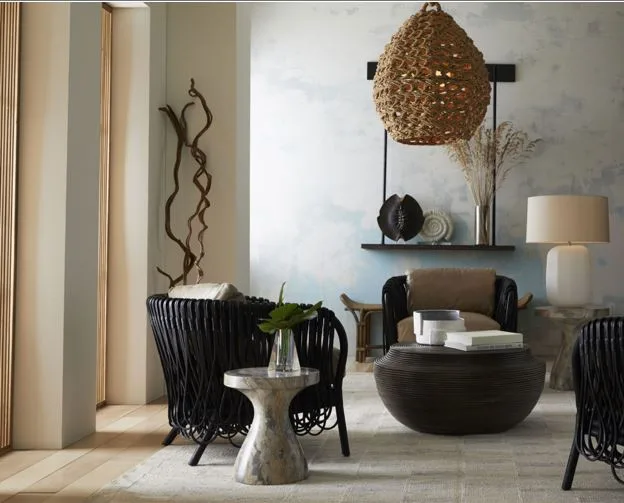
A home can change many times without starting over. Wall colors shift, artwork moves, and new accessories bring a different mood, while well-chosen furniture can remain part of the space for years. When people explore high end furniture, the most useful approach is to look beyond appearance alone and consider materials, proportion, comfort, and how easily a piece can adapt as the room evolves.
Start With How the Room Is Used
Furniture has to support daily life before it can contribute to a lasting interior. A beautiful chair that rarely feels comfortable or a table that blocks movement through a room can become frustrating over time. Thinking about how people actually live in the space gives each purchase a clearer purpose.
Consider where people naturally sit, gather, work, eat, or walk through the room. A household that entertains often may value flexible seating and generous surfaces, while a quieter living area may benefit from fewer pieces and more open space. When furniture responds to real habits, there is less pressure to replace it as soon as the room changes.
Pay Attention to Proportion
Proportion has a lasting influence on whether furniture feels at home in a space. A sofa that overwhelms a modest living room can make every other element seem crowded. Pieces that are too small can have the opposite effect, leaving a larger room feeling unfinished or disconnected.
Measurements provide a useful starting point, but visual weight matters too. A solid cabinet can feel larger than an open-frame piece with similar dimensions. A sculptural table may need more breathing room than a simple one. Looking at size, shape, and open space together helps create a layout that feels balanced and gives furniture a better chance of working through future design changes.
Let Materials Do Some of the Work
Materials give furniture much of its character. Wood can introduce warmth and natural variation, while stone, glass, metal, leather, and woven surfaces each bring a different texture and presence. Materials that age well can also develop more character through regular use.
A lasting interior does not require every piece to use the same finish. In fact, a thoughtful mix often creates more depth. The key is finding some visual relationship between the materials in the room. Repeating a warm tone, similar texture, or metal detail in a few places can connect different pieces without making the space look overly coordinated.
Look for Character Without Chasing Novelty
Distinctive furniture can give a room identity. An unusual silhouette, expressive material, or carefully shaped detail may become something people remember about the space. Character becomes especially valuable when it reflects personal taste rather than a short-lived trend.
This does not mean every item needs to make a strong statement. A room filled with competing focal points can quickly feel busy. One or two pieces with clear personality can sit alongside quieter furniture that supports them. This balance allows a room to feel individual while leaving enough flexibility for artwork, textiles, and smaller decorative elements to change.
Think About How a Piece Could Move
Homes rarely remain arranged in exactly the same way. People move furniture between rooms, change layouts, relocate to new homes, or find new uses for pieces as their needs change. Furniture with some degree of flexibility can stay useful through these transitions.
A console may work in an entryway today and behind a sofa later. A side table can move between a living room and bedroom, while an occasional chair can serve several spaces over its life. Before choosing a piece, imagine it outside its intended location. If it can work in more than one setting, it may be easier to keep as the home evolves.
Give Comfort Equal Weight
Visual appeal often gets the most attention when people shop for furniture, yet comfort shapes how often a piece is actually used. Seating should suit the way people relax, talk, dine, or work. Tables and storage pieces should also feel natural to use in everyday routines.
Comfort includes more than softness. Seat height, depth, arm position, table clearance, and access to storage all affect the experience of living with furniture. A piece that works well day after day becomes part of the rhythm of the home. That practical connection can give it more staying power than appearance alone.
Build Around Strong Pieces Slowly
A lasting interior does not need to be completed all at once. Taking time between major furniture choices can help homeowners understand what the room still needs. It also reduces the chance of filling a space with pieces that look good individually but do not work well together.
Start with the items that have the greatest effect on how the room functions. Once those pieces are in place, smaller furniture and accessories can respond to them. This approach creates a more collected feeling and gives each addition a clear role. It can also make later updates easier because the foundation of the room remains stable.
Make Room for Change
Long-lasting design does not mean keeping a room frozen in one style. Homes should be able to change as tastes, routines, and needs develop. Furniture can provide a steady foundation while paint, textiles, artwork, lighting, and accessories introduce new ideas.
The strongest furniture choices often combine usefulness with a clear point of view. They fit the room, support daily life, and have enough character to remain interesting without depending on a passing look. When those qualities guide major purchases, an interior can evolve naturally while retaining the pieces that make it feel familiar, comfortable, and personal.