Why Long-Term Equipment Hire Is Transforming Modern Mining Operations
The mining industry is constantly evolving, with projects becoming more complex, timelines shifting, and operational demands changing rapidly. To remain competitive, mining companies must balance productivity with cost efficiency while ensuring they have access to reliable, high-performance equipment. One strategy that has gained significant traction is equipment hire.
Rather than investing substantial capital in purchasing heavy machinery, many mining businesses now choose flexible rental solutions that align with project requirements. This approach allows companies to access modern equipment without the financial burden of ownership while improving operational efficiency across both short- and long-term projects.
The Financial Advantages of Equipment Hire
Purchasing heavy equipment requires a considerable upfront investment, which can tie up valuable capital that could otherwise be directed toward business growth, workforce development, or operational improvements. Equipment hire converts large capital expenditures into predictable operating costs, making budgeting easier and improving cash flow.
For mining companies managing multiple projects or responding to fluctuating workloads, this financial flexibility is especially valuable. Rather than owning equipment that may sit idle between contracts, businesses can scale their fleet according to current project demands.
Access to Modern Technology
Mining equipment continues to evolve with improved fuel efficiency, enhanced safety features, and greater productivity. Companies that own machinery often face the challenge of keeping their fleet updated while managing depreciation.
Equipment hire provides access to newer machines equipped with the latest technology. Contractors can utilize advanced excavators, loaders, and earthmoving equipment without worrying about resale values or replacement cycles.
Modern machinery also contributes to improved operator comfort, increased precision, and reduced downtime, helping projects stay on schedule while maintaining high safety standards.
Supporting Long-Term Mining Projects
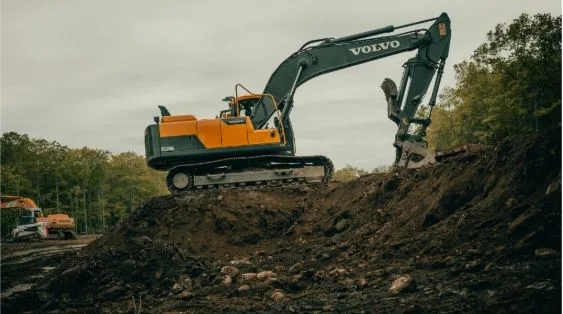
Many mining operations extend over several months or even years, requiring dependable equipment throughout every project phase. In these situations, securing a reliable long-term excavator for hire offers an ideal solution for maintaining productivity without the long-term commitment of ownership.
Long-term rental agreements often provide businesses with greater flexibility, allowing fleets to be adjusted as project requirements evolve. Whether expanding excavation capacity or replacing existing machines with larger models, companies can adapt quickly without significant financial risk.
This scalable approach ensures mining operations remain efficient while avoiding unnecessary equipment ownership costs.
Reduced Maintenance Responsibilities
Heavy equipment ownership comes with ongoing maintenance, servicing, repairs, inspections, and compliance requirements. These responsibilities can consume both time and resources while creating operational disruptions when equipment becomes unavailable.
Rental providers typically manage scheduled servicing and preventative maintenance, ensuring machines remain in excellent working condition throughout the hire period. This reduces unexpected breakdowns and allows project managers to focus on operational performance rather than equipment management.
Reliable maintenance support also minimizes costly downtime, helping mining companies maintain productivity and meet critical project milestones.
Greater Operational Flexibility
Mining projects rarely remain static. Changes in site conditions, production targets, or client requirements often demand different machinery throughout various stages of development.
Equipment hire enables businesses to quickly respond to these changing needs by increasing or reducing fleet capacity as required. This flexibility is particularly valuable for contractors working across multiple mine sites or managing seasonal demand fluctuations.
Instead of maintaining a large permanent fleet, businesses can access specialized equipment only when necessary, improving overall resource utilization.
Improved Risk Management
Owning heavy machinery exposes companies to several financial risks, including depreciation, unexpected repair costs, equipment obsolescence, and resale uncertainty.
Hiring equipment significantly reduces these risks. Rental agreements provide access to reliable machinery while shifting many ownership-related responsibilities to the equipment provider. This approach allows businesses to better manage project costs and avoid long-term financial commitments that may not align with future workloads.
By reducing exposure to ownership risks, mining companies can make more strategic investment decisions and preserve financial flexibility.
Supporting Sustainable Operations
Sustainability has become an increasingly important priority within the mining sector. Newer rental equipment often features lower emissions, improved fuel efficiency, and enhanced environmental performance compared to older machinery.
Equipment sharing through rental fleets also promotes more efficient asset utilization, reducing the overall number of machines required across the industry. This contributes to lower environmental impact while supporting responsible resource management.
As environmental regulations continue to evolve, access to modern equipment helps mining companies meet compliance requirements more effectively.
Enhancing Project Efficiency
Project delays can quickly increase operational costs. Equipment availability plays a critical role in maintaining productivity and ensuring work progresses according to schedule.
Reliable hire providers maintain extensive fleets capable of supplying equipment quickly when demand changes or unexpected requirements arise. Fast equipment replacement and responsive customer support help minimize disruptions and keep projects moving efficiently.
This reliability becomes particularly valuable during large-scale mining developments where continuous equipment availability directly impacts overall project success.
Conclusion
In today’s competitive mining industry, operational flexibility is just as important as productivity. The option to hire rather than purchase equipment enables companies to remain agile and competitive. Whether businesses require specialized machinery or a long-term excavator for hire to support ongoing projects, equipment rental solutions provide the flexibility and scalability needed to meet changing operational demands. As such, equipment hire has become a pivotal component in the operational strategy of successful mining enterprises.
By reducing capital expenditure, improving access to modern technology, simplifying maintenance, and providing scalable fleet solutions, equipment hire empowers mining businesses to operate more efficiently while remaining prepared for future opportunities.