Why Maritime Training Online Is Becoming the Smart Choice for Modern Maritime Professionals
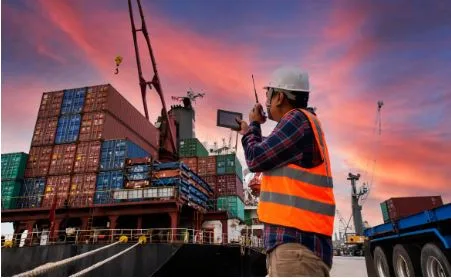
The maritime industry is changing fast, and professionals are expected to keep up without always stepping away from their roles. This is where Maritime training online has become a practical and increasingly popular option. It allows seafarers, port staff, and maritime managers to upgrade their skills without disrupting operations or travel schedules.
Over the past few years, online maritime education has shifted from a secondary option to a mainstream learning path. It offers flexibility, structured learning, and access to internationally relevant content, which is exactly what today’s industry demands.
Why Maritime Training Online Is Gaining Real Momentum
The biggest advantage of Maritime training online is accessibility. Professionals can learn from anywhere, whether they are onboard a vessel, in a port office, or at home between rotations.
But convenience is only part of the story. What really matters is how online training now mirrors real industry expectations. Many programs include interactive modules, case studies, and assessments designed around real operational scenarios.
This approach ensures that learning is not just theoretical but directly applicable to daily maritime operations.
Key benefits of online maritime learning
- Flexible study schedules for working professionals
- Reduced downtime away from operations
- Access to updated international standards
- Cost-effective compared to traditional classroom training
- Ability to revisit learning materials anytime
For many professionals, this flexibility is what makes continuous development realistic rather than optional.
Understanding Security and Compliance in Maritime Operations
One of the most important areas in maritime education today is security awareness. Ports and vessels operate under strict international regulations, and compliance is not negotiable.
A core program in this area is the ISPS Code: Port Facility Security Officer training course (PFSO). This course is designed to prepare professionals responsible for implementing and maintaining security measures at port facilities.
It focuses on real responsibilities such as threat assessment, security planning, and coordination with authorities. For anyone involved in port operations, this training is not just useful. It is essential.
What the PFSO training typically covers
- Understanding the ISPS Code framework
- Identifying and assessing security threats
- Developing and maintaining security plans
- Managing security incidents and responses
- Communication with regulatory and port authorities
Security in maritime operations is not static. Threats evolve, and so do compliance requirements. This is why structured training remains so important.
Why Online Maritime Learning Works for Busy Professionals
One of the common challenges in the maritime industry is time. Many professionals work in rotational schedules or are stationed in remote locations. Attending in-person training is not always practical.
Online learning solves this problem by allowing professionals to progress at their own pace.
It also encourages better retention of knowledge. Learners can pause, review, and revisit complex topics instead of trying to absorb everything in a short classroom session.
What makes online training effective
- Self-paced learning reduces pressure
- Modular structure improves focus
- Interactive assessments reinforce understanding
- Real-world examples improve application
When done correctly, online maritime training is just as effective as traditional methods, sometimes even more so.
A Real-World Perspective
Having worked with maritime professionals across ports and shipping operations, one pattern is consistently clear. Security and compliance issues rarely come from lack of awareness. They often come from gaps in practical application.
In one case, a port facility experienced repeated delays during security inspections. The team had theoretical knowledge of ISPS requirements, but procedures were not consistently applied during shift changes. This led to confusion in documentation and communication gaps between security personnel.
After structured training, including targeted PFSO development modules, the team introduced standardized checklists and clearer reporting protocols. Within weeks, inspection readiness improved significantly, and compliance issues dropped.
We have also seen situations where experienced professionals underestimated the importance of updated training. Security standards had evolved, but their practices had not. This mismatch created avoidable risks during audits and operational reviews.
Institutions like London Maritime Academy often emphasize this practical alignment, ensuring that training reflects current industry expectations rather than outdated procedures.
The lesson is simple. Knowledge alone is not enough. Consistent application is what makes the difference in real operations.
Choosing the Right Online Maritime Training Program
Not all online courses offer the same level of quality. Professionals should be selective when choosing a provider.
What to look for in a strong program
- Industry-recognized certification
- Updated course content aligned with international regulations
- Clear and structured learning modules
- Practical examples and case studies
- Support from experienced instructors
It is also important to ensure that the course is not purely theoretical. The best programs connect learning directly to operational realities.
The Growing Role of Digital Learning in Maritime Careers
Digital transformation is not just changing ship operations. It is also changing how professionals learn and develop their careers.
Online maritime education is now part of long-term career planning for many professionals. It allows continuous skill development without interrupting work commitments.
As regulations become more complex and operations more interconnected, ongoing training will play a central role in maintaining safety, compliance, and efficiency.
Conclusion
The maritime industry demands professionals who are adaptable, informed, and ready to respond to evolving challenges. Maritime training online has made it easier to meet those expectations without sacrificing work commitments or operational responsibilities.
Courses like the ISPS Code: Port Facility Security Officer training course (PFSO) play a crucial role in strengthening security awareness and ensuring compliance with international standards.
In the end, maritime success is built on preparation and consistency. The professionals who continue learning, updating their skills, and applying best practices are the ones who stay ahead in an industry that never stands still.