Why Meat ERP Systems Are Becoming Essential for Modern Meat Processing Operations
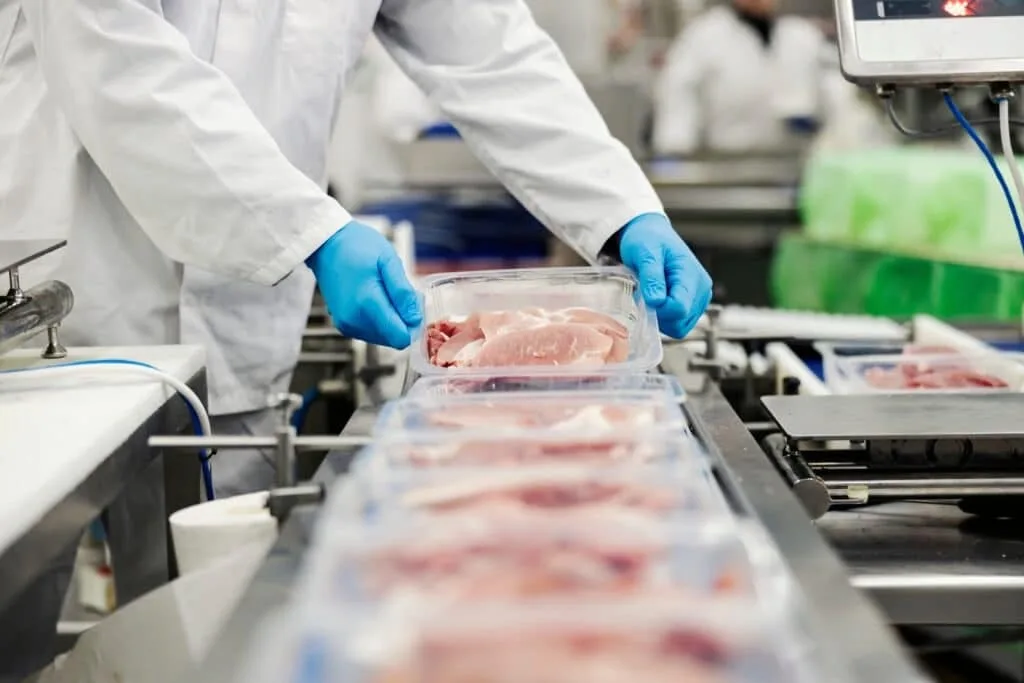
Across the global food industry, few sectors face as much operational complexity as meat processing. Plants must balance strict food safety regulations, fluctuating livestock supply, volatile commodity prices, and tight profit margins. At the same time, retailers and regulators are demanding more transparency, faster traceability, and stronger compliance controls.
For decades, many meat processors relied on spreadsheets, disconnected accounting systems, and manual recordkeeping to manage operations. That approach may have worked when production volumes were smaller and regulatory expectations were simpler. Today, however, the pace and scale of modern food production have exposed the limits of those tools.
This is why Meat ERP systems are increasingly becoming a foundational technology for meat processors worldwide. Rather than simply digitizing paperwork, these systems integrate production, inventory, traceability, compliance, and financial management into a single operational platform.
For companies operating in today’s competitive protein industry, adopting a specialized meat processing ERP is no longer just a technology upgrade. It is becoming a strategic requirement for managing risk, improving operational visibility, and protecting profitability.
The Growing Complexity of Meat Processing Operations
Unlike many other manufacturing industries, meat processing deals with highly variable raw materials. Each animal yields different quantities of cuts, trim, and byproducts. Yield variations, grading differences, and supplier inconsistencies all influence the final output and profitability of the plant.
At the same time, processors must maintain precise records to meet food safety regulations and retailer requirements. These include:
- HACCP and sanitation records
- Supplier and lot traceability
- Temperature monitoring
- Product labeling and allergen declarations
- Export and regulatory documentation
Managing this information across multiple departments can quickly become overwhelming when systems are not integrated. Production teams may track yields one way, quality assurance teams another, and accounting departments yet another.
The result is fragmented data that makes it difficult to understand the true performance of the plant.
A Meat ERP system addresses this challenge by centralizing operational data and linking it across departments in real time.
Traceability Is Now a Core Industry Requirement
Food safety expectations have changed dramatically over the past decade. Governments and retailers now require processors to identify affected products quickly if a contamination or quality issue occurs.
Traceability systems must allow companies to track products:
- From livestock supplier to processing facility
- Through production batches and transformation stages
- Into finished goods shipments and customer deliveries
Without digital systems, traceability investigations can take hours or even days. In a crisis situation, that delay increases both financial risk and reputational damage.
Meat ERP systems automate this process by linking each stage of production through lot and batch tracking. If an issue occurs, processors can trace products backward to raw materials or forward to distribution channels in minutes rather than days.
This capability significantly reduces the scope and cost of product recalls.
Operational Visibility Improves Yield and Profitability
Profit margins in meat processing are heavily influenced by yield performance. Small variations in trim loss, carcass utilization, or portion control can have a significant impact on overall margins.
Yet many plants struggle to monitor yield performance accurately because production and financial data are stored in separate systems.
A specialized meat processing ERP bridges that gap by connecting operational and financial information. Processors gain real-time insights into:
- Yield performance by lot, shift, or supplier
- Production costs for each SKU or product category
- Inventory utilization and waste levels
- Profitability across product lines and customers
With this level of visibility, management teams can identify inefficiencies earlier and make better operational decisions.
Inventory and Supply Chain Management Become More Predictable
Another major challenge for meat processors is managing inventory that includes both fresh and frozen products with limited shelf life. Overproduction can lead to spoilage or forced discounting, while underproduction can disrupt customer supply commitments.
ERP systems designed for the meat industry help address this challenge through integrated inventory and production planning tools.
These systems allow companies to:
- Monitor stock levels across warehouses in real time
- Forecast demand based on historical sales patterns
- Align procurement with production requirements
- Reduce waste through improved stock rotation
By improving planning accuracy, processors can maintain service levels while minimizing excess inventory.
Compliance and Documentation Become Easier to Manage
Compliance reporting often consumes significant time for quality assurance teams. Preparing for audits or regulatory inspections may require gathering records from multiple departments and verifying their accuracy.
When records are stored in spreadsheets or paper documents, assembling this information can take days.
Meat ERP systems simplify this process by maintaining digital records tied directly to operational workflows. Compliance documentation, quality checks, and production logs are captured automatically as part of the production process.
This allows companies to generate reports quickly when regulators, customers, or auditors request them.
The ability to produce accurate documentation quickly not only improves compliance but also strengthens relationships with retail partners and international buyers.
Integration Across Departments Drives Operational Efficiency
One of the biggest benefits of ERP adoption is the elimination of data silos. In traditional environments, each department operates with its own system, creating inefficiencies and communication gaps.
A meat ERP platform connects departments including:
- Production
- Quality assurance
- Procurement
- Inventory management
- Finance and accounting
- Distribution and logistics
When information flows through a unified system, teams spend less time reconciling data and more time focusing on operational improvements.
For example, production managers can see real-time inventory levels, finance teams can analyze production costs immediately, and logistics teams can coordinate shipments with accurate stock information.
This integration leads to faster decision-making and more efficient operations.
The Industry Shift Toward Digital Meat Processing
Across the broader food manufacturing industry, digital transformation is accelerating. Technologies such as IoT sensors, automated inspection systems, and AI-driven analytics are being introduced into processing plants to improve safety and efficiency.
However, these technologies require a central platform capable of organizing and interpreting the data they generate.
ERP systems provide that foundation.
By serving as the operational backbone of the plant, a meat ERP platform enables processors to adopt new technologies without creating additional complexity.
As digitalization continues across the food industry, processors that invest in integrated systems today will be better positioned to adapt to future innovations.
Conclusion
The global meat industry is evolving rapidly as regulatory expectations, supply chain pressures, and consumer demands continue to rise. Processors are expected to maintain higher standards of transparency, safety, and operational efficiency than ever before.
Meeting these expectations requires more than incremental improvements to legacy systems. It requires a modern digital infrastructure capable of connecting operations, compliance, and financial management.
This is why many companies are turning toward specialized meat ERP systems to modernize their operations. By centralizing data, improving traceability, and providing real-time operational insights, these systems help processors operate more efficiently while reducing risk.
Solutions like Folio3 FoodTech’s meat processing ERP platform are part of this broader industry shift toward integrated, technology-driven operations. As processors continue to modernize their plants, ERP systems will play an increasingly critical role in ensuring both compliance and profitability in the years ahead.