Why More Owners Are Choosing to Sell Their Junk RVs Now in Delaware
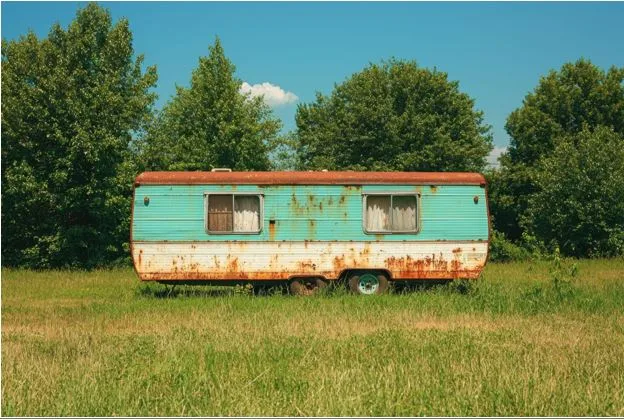
The landscape of recreational vehicle ownership in the First State is shifting as more residents realize that an immobile motorhome is often more of a burden than a relic. For many, the dream of the open road has been replaced by the reality of a sagging roof or a rusted chassis sitting in a driveway in Wilmington or near the shores of Rehoboth Beach. Delaware’s unique combination of coastal air and humid summers accelerates the aging process of these large vehicles, often turning a cherished family asset into an environmental and aesthetic eyesore. As the costs of maintenance and storage continue to rise, owners are finding that the most logical and financially sound decision is to clear the space and move on to their next chapter.
Rising Costs Of Storage And Maintenance
Keeping an older RV on a property in Delaware is becoming increasingly expensive due to changing local ordinances and the sheer cost of upkeep. Many homeowner associations and municipal codes have tightened their restrictions on “non-operational” vehicles, leading to unexpected fines that can quickly exceed the actual value of the unit. Beyond the legal fees, the specialized parts required to fix aging plumbing, electrical systems, or engines are becoming harder to source, often requiring expensive shipping from out of state.
Because of these mounting pressures, many residents are looking for a reputable junk RV buyer in Delaware to handle the removal process efficiently. Selling a damaged or non-running vehicle to a professional service eliminates the need for expensive towing or the headache of trying to find a private buyer who will likely be deterred by the repair bill. This shift toward professional salvage allows owners to recover some of their initial investment without sinking another dollar into a machine that is no longer roadworthy.
Impact Of Coastal Air On Structural Integrity
Delaware’s proximity to the Atlantic Ocean and the Delaware Bay means that the air is frequently thick with salt and moisture. While this makes for beautiful beach days, it is devastating for the metal components and sealants used in RV construction. Over time, the salt air penetrates the protective layers of the undercarriage and roof seams, causing rapid oxidation and structural rot that is often hidden behind interior panels. Once the frame begins to compromise or the subfloor softens, the vehicle essentially becomes a safety hazard rather than a home on wheels.
When water intrusion begins, mold and mildew follow closely behind, thriving in the First State’s humid climate. Traditional cleaning methods often fail to reach the deep recesses of a motorhome’s walls once the insulation has been saturated. For many owners, the health risks associated with mold exposure and the astronomical cost of a full “studs-down” renovation make the decision to sell to a salvage yard the most responsible choice for their family and their property.
Environmental Responsibility And Neighborhood Aesthetics
An abandoned or broken-down RV can quickly become a sanctuary for local wildlife, ranging from rodents to insects, which can eventually migrate into your primary residence. These pests often chew through complex wiring harnesses and nest in upholstery, creating fire hazards and permanent damage that renders the vehicle unsalvageable. When determining where to sell an RV that has reached this level of decay, owners are choosing specialized buyers to prevent environmental hazards from escalating and to ensure that heavy metals, fluids, and plastics are recycled according to modern standards.
Furthermore, the visual impact of a decaying vehicle can affect the property values of an entire neighborhood. A rusted, flat-tired camper parked in a yard or driveway often creates tension between neighbors and detracts from the curb appeal of a home. Removing these stationary giants instantly refreshes the look of a property, providing more room for functional outdoor living space or parking for vehicles that are actually used for daily transportation.
The Shift Toward Digital Disposal Services
The process of getting rid of a large, heavy vehicle has been revolutionized by digital platforms that specialize in the salvage market. In the past, an owner might have had to spend weeks placing ads in local papers or dealing with unreliable “tire kickers” from online marketplaces who rarely follow through. Today, the process is much more streamlined, allowing Delaware residents to receive quotes and schedule pickups within a matter of days rather than months.
This ease of access is a primary reason why the salvage market in the state is seeing such high activity. Owners appreciate the transparency and the fact that they do not have to handle the complex paperwork associated with transferring a salvage title or arranging a heavy-duty tow. By utilizing a service that understands the local Delaware market, sellers can ensure they are getting a fair price based on the current scrap and parts value of their specific make and model.
Financial Freedom For Future Adventures
Selling a junk RV provides an immediate injection of liquidity that can be used for more productive purposes. Whether that money goes toward a down payment on a brand-new, fuel-efficient camper or is simply tucked away for a different family vacation, it represents a move from a stagnant asset to a liquid one. Many owners find that the mental relief of no longer worrying about an eyesore is worth more than the physical cash received.
Ultimately, the trend of selling junk RVs in Delaware is about reclaiming control over one’s property and financial health. Instead of letting a vehicle slowly return to the earth in a backyard, owners are choosing to let the materials be recycled back into the economy. This proactive approach ensures that the memories made in the RV are preserved, while the physical burden is handled by professionals who can give the vehicle a final, useful destination.