Why More U.S. Parents Are Looking Beyond Traditional Early Learning
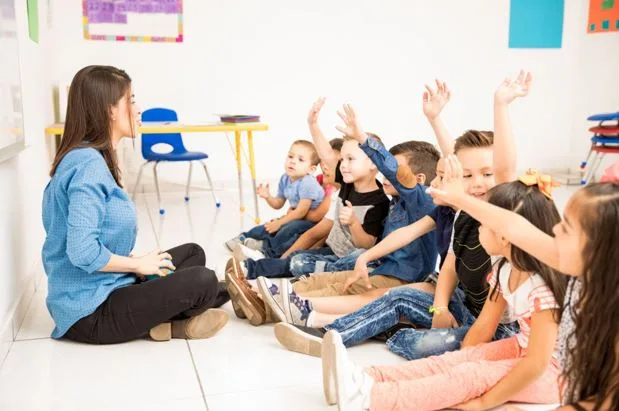
Traditional preschool has long been the default choice for families with young children. But in recent years, more parents across the country have started asking whether the standard classroom model is actually the best fit for their child. The shift is real, and it is backed by changing expectations, more access to information, and a growing variety of programs that approach early childhood differently.
The Growing Interest in Different Learning Models
Parents today are doing more research before choosing a program for their young children. Many are discovering alternative preschool education in the U.S., a space that includes play-focused environments, child-led classrooms, and nature-inspired settings that look very different from a traditional preschool setup. These options are no longer limited to big cities or wealthy zip codes.
The interest is not just about preference. Many parents are responding to what they observe at home. If a child learns through movement, hands-on play, or creative exploration, a desk-based or structured academic setting may not support how that child actually develops.
What Makes Traditional Preschool Feel Limiting
Standard preschool programs typically follow a set curriculum focused on early literacy and math skills. While those goals are valuable, the approach often leaves little room for child-directed learning or flexible pacing. Some children thrive in that structure. Others do not.
Parents who feel their child is being pushed too fast, or not engaged enough, often start looking for something different. The concern is not that traditional preschool is bad. It is that one format cannot work equally well for every child at every stage of development.
How Alternative Programs Actually Work
Alternative early learning programs vary widely, but most share a few core ideas. They tend to prioritize:
- Child-led exploration over teacher-directed instruction
- Learning through play, movement, and real-world experience
- Mixed-age classrooms that encourage peer learning
- Flexible schedules that follow a child’s natural rhythm
Some programs place children in outdoor settings for much of the day, using the environment itself as a learning tool. Others build the day around creative projects, storytelling, and open-ended activities where children set the pace. Each model reflects a different theory of how young children learn best, and none of them follow a one-size-fits-all approach.
What the Research Says
Studies on early childhood development consistently show that play is not the opposite of learning. It is one of the most effective ways young children build cognitive, social, and emotional skills. Programs that support child-led activity, physical movement, and creative thinking have shown positive results in how children develop confidence and problem-solving ability.
That said, research also shows that quality matters more than philosophy. A well-run traditional preschool can be more effective than a poorly managed alternative one. What parents should look for is a program where teachers are trained, the environment feels safe and stimulating, and the child’s individual needs are taken seriously.
What to Consider Before Making a Switch
If you are thinking about moving your child out of a traditional program, or choosing an alternative from the start, a few things are worth considering:
- Your child’s learning style. Does your child do better with structure or open-ended time? Do they need more physical activity or quiet focus?
- The program’s approach to transition. How does the school help children move from preschool into kindergarten? Is that process supported?
- Teacher qualifications. What training do the educators have? Are they experienced with the specific model the school follows?
- Location and cost. Alternative programs can be more expensive or harder to find, depending on where you live.
- Your own expectations. What do you want your child to gain from preschool, and does this program align with that?
Visiting the school, talking to current families, and asking direct questions about the curriculum will give you a clearer picture than any website or brochure.
Choosing the Right Early Learning Path for Your Child
The rise of alternative early learning programs gives families more real choices than they have had before. Whether you choose a play-centered classroom, an outdoor program, or a child-led learning environment, the most important factor is whether the setting supports your child’s growth in a way that a traditional model could not. Understanding what different programs offer, and being honest about what your child actually needs, puts you in the best position to make a decision that fits your family.