Why Online Tutoring Has Become One of the Most Important Tools in Modern Education
There’s a conversation happening in staffrooms, at kitchen tables, and in school governors’ meetings up and down the country. It’s about whether the classroom alone – brilliant as many teachers are – is still enough. Not because the standard of teaching has fallen. Far from it. But because the demands being placed on young people have grown considerably, and the one-size-fits-all model of education is struggling to keep up.
Online tutoring has stepped into that gap. And over the past few years, particularly since the pandemic forced an already-overdue rethink of how learning can work, it has moved from being a supplementary luxury to something much more fundamental. For many students, it’s the difference between scraping through and actually getting to grips with the material.
The Problem With Classroom Learning Alone
Let’s be honest about something: a teacher managing a class of 30 students cannot give each of them the individual attention they need. That’s not a criticism – it’s simply the reality of how schools are structured. A student who falls behind in Year 9 maths, for example, will often find that gap quietly widening by the time GCSEs come around. By then, the pressure is on and there’s precious little time to go back to basics.
This is where one-to-one tutoring has always made sense. A tutor can identify exactly where a student’s understanding has broken down and work from there. No assumptions, no rushing ahead to cover the syllabus. Just a proper look at what the student actually knows and doesn’t know – and then building from that point. It sounds obvious when you put it like that, and really, it is.
What Online Tutoring Adds to That Equation
Traditional in-person tutoring has its merits, but it also has real constraints. Geography matters – students in rural areas or smaller towns have always had a narrower pool of tutors to choose from. Scheduling matters too. Fitting a tutor visit around school, after-school clubs, family life and homework can be genuinely difficult, especially for working parents.
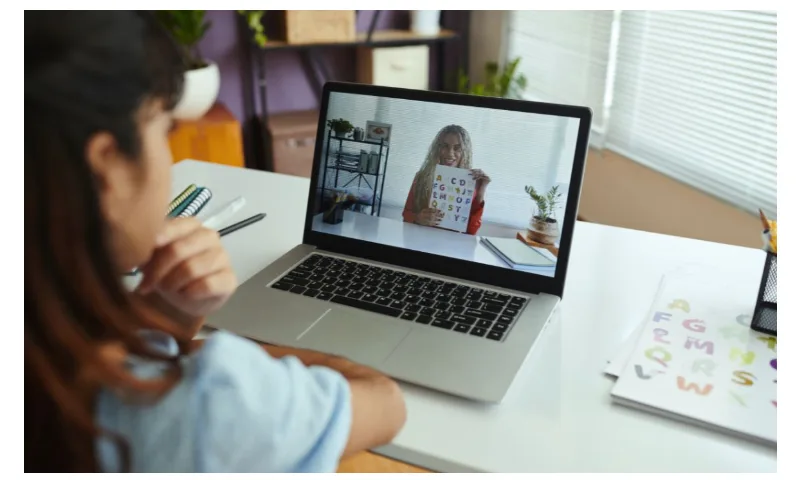
Online tutoring removes most of those obstacles. A student in rural Lincolnshire can work with a specialist A-Level Chemistry tutor based in London. A family with a busy week can book a session for a Saturday morning or a Tuesday evening. The lesson happens at home, which – particularly for younger or more anxious learners – can make a meaningful difference to how relaxed and focused they feel during the session.
Platforms like Cambridge Online Tutors have been built specifically around these realities. With lessons available across more than 40 subjects – from Further Maths and Physics through to Languages, Music and Computer Science – and all tutors subject to enhanced DBS checks, the platform offers the kind of flexibility and peace of mind that parents reasonably expect. Sessions can be booked one-to-one from £30 per hour, or shared with other students at significantly reduced rates. For families where cost is a real consideration, that matters.