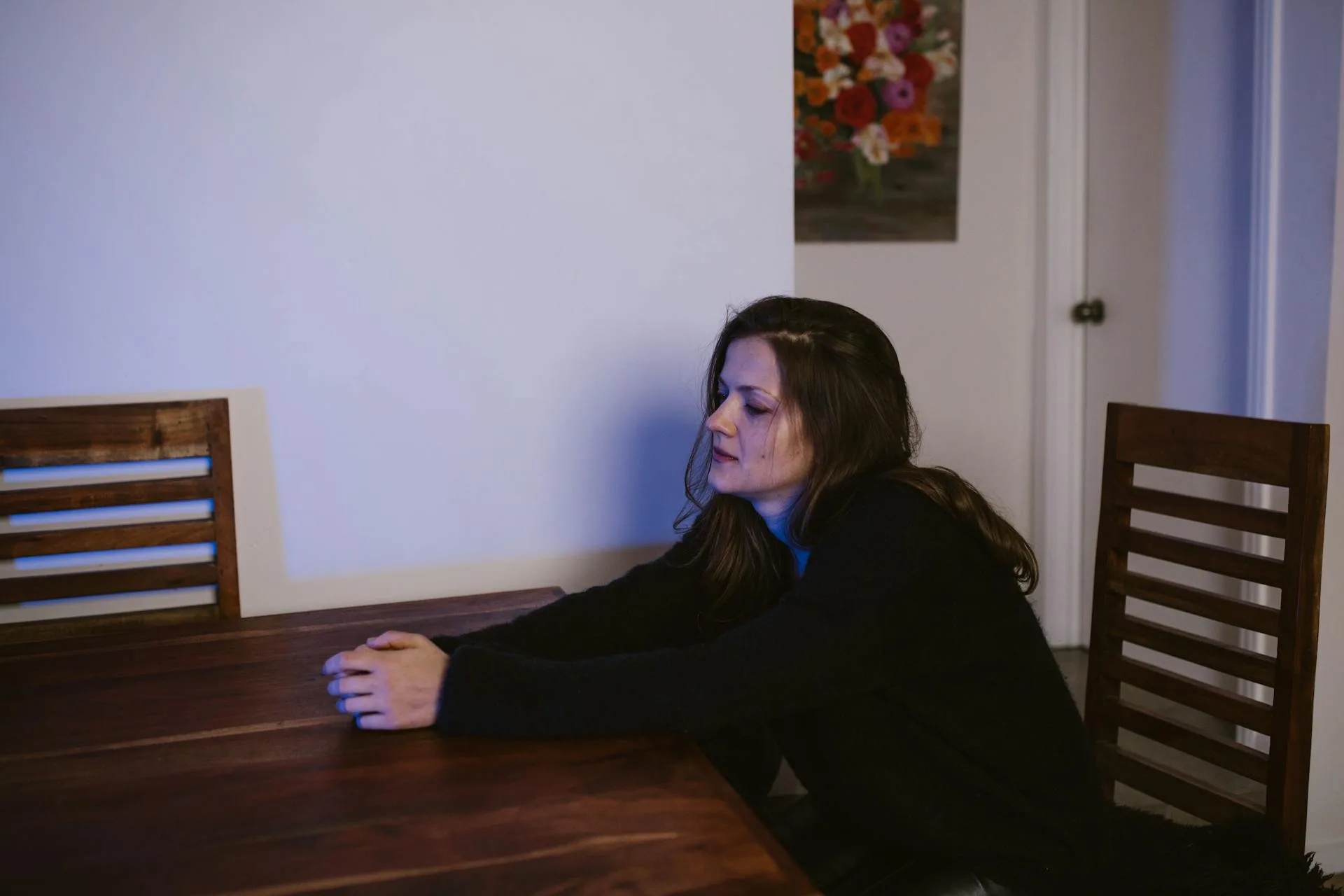
Why Our Bodies Struggle With Sudden Health Changes
You think skipping your morning coffee won’t matter. Or changing a small habit. Maybe cutting back on sugar. But then… boom. Energy crashes. Mood swings hit. Sleep feels off. Even getting through the day feels hard. And if you’ve ever read about the withdrawal symptoms of kratom, you know how your body freaks when its usual rhythm is shaken. Confusing. Frustrating. Kind of scary. Totally normal though.
Why the Body Reacts Strongly to Change
Your body loves routine. Loves it. Even small shifts throw it off. Hormones wobble. Blood sugar dips. Nervous system freaks a bit. Suddenly, you’re tired, cranky, maybe hungry for stuff you usually ignore.
It’s not failure. Not weakness. Your body’s just recalibrating. Learning a new rhythm takes time. Even something tiny—like skipping coffee—can feel huge. That’s your body saying, “Wait… hold on. I need a minute here.”
You might think pushing through is the way. But forcing your body to adapt too fast backfires. Energy crashes harder. Mood swings get worse. Sometimes slowing down actually works better.
And honestly, your body remembers your old habits. Mess with them suddenly, it protests. That’s why tiny steps matter. Let it adjust at its own pace.
Sometimes it even feels unfair. You think, “Why me? Why can’t I handle this?” But your body isn’t against you. It’s just figuring out how to work with the new changes. Patience is key.
Common Physical and Emotional Reactions
Fatigue. Headaches. Sleep all over the place. Mood swings. Cravings that hit in waves—one minute fine, next minute desperate for sugar or caffeine.
Mind foggy. Frustration creeping in. Restless. Messy, sure. But not failure. These are just signals. Your body is figuring itself out. Totally normal.
Emotionally, you might feel overdramatic. But really, your brain and body are catching up. Every craving, irritation, or spike of anxiety? That’s just your body recalibrating.
You might feel alone in it. Like everyone else adapts fine and you’re behind. But everyone reacts differently. Comparing yourself just adds stress. Focus on your own pace—it matters more than you think.
And sometimes, it’s the little things that get to you. Random cravings, irritability over nothing, even tiny aches. Those are all part of the process. Nothing to panic over.
Practical Ways to Support the Body During Change
Hydrate. Water keeps energy steadier. Can help headaches. Eat simple meals. Don’t stress over perfect nutrition. Fruits, veggies, grains—good enough.
Move your body. Doesn’t have to be intense. Short walks. Stretching. Yoga for a few minutes. Tiny movements help. Gentle, steady beats big, occasional bursts every time.
Mindfulness helps. Slow breaths. Journaling. Just noticing cravings or mood swings makes you feel in control.
Small routines add up. Ten minutes stretching, a glass of water before breakfast, a short walk—little steps make big changes feel manageable.
Don’t underestimate rest. Nap a bit. Go to bed earlier. Pause for a few deep breaths. Recovery is part of it. Not slacking.
And distractions work wonders. Music. Cooking. Watching a show. Doodling. Sometimes cravings fade if you just notice them. You don’t always have to fight them.
The Mental Side of Health Transitions
Mindset is huge. Change is slow. Some days you’ll slip. Some days, nothing feels right. That’s okay. Patience matters. Self-compassion too.
Celebrate tiny wins. Got out of bed for a walk? Counts. Drank water instead of grabbing a snack? Counts too. Every small step reinforces new habits.
Keeping perspective matters. You’re learning something new about yourself. Mistakes, setbacks, weird days—they’re normal. Being gentle with yourself helps more than pushing harder.
Talk about it. A friend, family, and journaling. Sharing frustrations—even small ones—reminds you it’s normal to feel off when adjusting.
And remember: some days will feel harder than others. That’s okay. You’re not failing. You’re adjusting. Every small victory is proof you’re moving forward.
Keep track if it helps. Jot moods, cravings, energy. Patterns show you it’s not chaos. Slowly, things get easier. You notice it without even realizing.
Conclusion
Sudden changes are messy. Mood swings. Fatigue. Cravings. Restlessness. Signs your body’s adjusting. Not failure. Not weakness. Just recalibration. Take it slow. Celebrate wins. And with time, support, and awareness, successfully adjusting to lifestyle changes gets easier. Your body finds its rhythm. Intense reactions fade. You feel calmer. Stronger. More in control. Every tiny step counts. One day at a time. That’s it. Really.