Why Personalized Training Plans Increase Member Engagement and Long-Term Fitness Results
Personalized training plans are one of the most important factors behind better member engagement and lasting fitness success. Instead of offering the same routine to everyone, a personalized plan adjusts training according to goals, fitness level, physical condition, schedule, and available equipment. This makes workouts feel more relevant, more achievable, and more motivating from the very beginning.
When people follow a program that matches their reality, they are more likely to stay consistent. Consistency is the foundation of long-term progress in strength, endurance, body composition, mobility, and general health. That is why personalized fitness plans are not just a trend in the gym industry. They are a smarter way to help members stay committed and see meaningful results over time.
In practice, personalization improves the entire member journey. It reduces confusion, creates structure, builds confidence, and makes each session feel connected to a clear purpose. For gyms, trainers, and digital fitness platforms, this leads to stronger retention, better satisfaction, and a much higher chance of transforming a short-term member into a long-term success story.
What Makes a Training Plan Personalized
A personalized training plan is designed around the individual rather than around a generic template. That may sound simple, but it changes everything about the exercise experience.
A good personalized program considers several variables at once. It takes into account whether the person wants to lose fat, build muscle, gain strength, improve athletic performance, return after a break, or simply feel healthier and more active. It also considers whether the user is a beginner, intermediate, or advanced trainee.
Beyond that, personalization includes practical details that strongly affect adherence.
Key elements of an effective personalized plan
- specific fitness goals and realistic timelines
A member who wants to improve mobility needs a very different structure than someone training for hypertrophy or sports performance. - current experience level
Beginners need guidance, confidence, and manageable progression, while advanced users often need more volume, intensity control, and variation. - available equipment
Some people train at home, others in a full gym, and many alternate between both environments. - time availability
A 25-minute training window requires a different strategy than a 75-minute session. - recovery capacity and preferences
Rest time, exercise order, training frequency, and intensity should reflect how the member actually recovers and lives. - adaptability over time
A strong plan does not stay static. It evolves with progress, setbacks, feedback, and new goals.
This structure makes the training experience feel personal instead of generic, and that alone can significantly increase engagement.
Why Personalization Increases Member Engagement
Engagement happens when people feel connected to what they are doing. In fitness, that connection becomes stronger when the training plan makes sense for the individual.
Many members lose interest because they feel lost or overwhelmed. A one-size-fits-all program may be too hard, too easy, too repetitive, or completely misaligned with what the person actually wants. When this happens, motivation drops quickly.
A personalized plan solves that by creating immediate relevance. The member understands why each session exists, what the progression looks like, and how the routine connects to personal goals. That clarity creates a stronger emotional and practical commitment.
Personalized plans reduce uncertainty
One of the biggest obstacles in fitness is uncertainty. People often ask themselves whether they are doing the right exercises, whether the workout matches their level, or whether they are wasting time.
A personalized structure removes much of that doubt. Instead of guessing what to do, the member follows a plan that has been created for their situation. This lowers mental friction and makes it easier to show up consistently.
Personalized plans make progress easier to notice
When a program is tailored properly, progress becomes more visible. The user can see improvements in performance, technique, confidence, or physical capacity. Small wins matter. They create momentum.
That momentum is critical because engagement is rarely built only on discipline. It is built on feedback. When members notice that the plan is working, they become more invested in continuing.
The Link Between Engagement and Long-Term Fitness Results
Long-term results depend less on extreme effort and more on sustained consistency. A training program does not need to be perfect to be effective, but it does need to be sustainable.
That is where personalized planning stands out. It supports consistency by respecting the member’s real life. A person is much more likely to stay active for months or years when the program fits daily routines instead of constantly fighting against them.
Why consistency improves with personalization
A tailored plan is easier to maintain because it feels realistic. It is built around the user’s actual schedule, available training days, and preferred format. Some people succeed with fixed weekly routines, while others need more flexible training modes that adapt to changing days and responsibilities.
This flexibility matters. It keeps members engaged even when life gets busy.
In modern fitness platforms, this advantage becomes even stronger when personalized plans can adapt dynamically. If a user misses a workout, changes location, or needs to swap an exercise, the experience remains smooth instead of frustrating. That kind of support helps protect long-term adherence.
How Technology Strengthens Personalized Training
Digital fitness tools have made personalization more accessible and more effective. In the past, highly individualized programming depended almost entirely on one-on-one coaching. Now, smart fitness systems and training apps can deliver customized plans at scale.
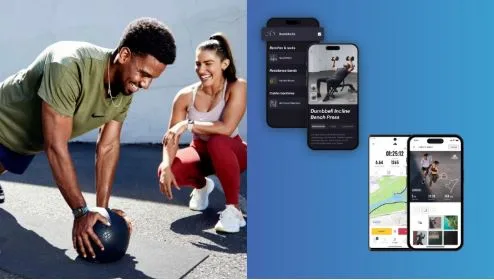
These platforms can build routines based on user goals, fitness level, and equipment access. They can also offer exercise libraries with video guidance, progress tracking, flexible scheduling, and adaptive recommendations based on performance. This creates a more supportive experience between sessions, not just during them.
In the middle of this evolution, many users are discovering workout apps with free trial options as a practical way to test personalized programming before committing long term. That first contact often increases trust, because people can experience how much better training feels when it is built around their own needs rather than pulled from a generic online template.
Features that improve engagement in digital personalized trainingCommon high-value features include:
- personalized workout plans based on goals and level
- exercise libraries with clear video demonstrations
- progress tracking that shows real improvements over time
- options to train at home or in the gym
- flexible or calendar-based routines
- the ability to replace exercises when needed
- customizable rest times and workout flow
- synchronization across devices for easier access
These tools matter because they reduce drop-off points. They make the process clearer, more organized, and more motivating.
Personalized Plans Improve Confidence and Member Retention
Confidence is often underestimated in fitness. People do not stay engaged only because they want results. They stay engaged because they begin to feel capable.
A personalized plan can help a beginner feel safe enough to start. It can help an intermediate member break through plateaus. It can help an advanced user maintain purpose and progression. In all three cases, the training experience feels more intentional.
That confidence has a direct impact on retention. Members who feel guided are less likely to quit after the first weeks. They are more likely to trust the process and continue through the slower phases of progress.
Personalized coaching feels more supportive
Even when delivered through technology, personalization creates a stronger sense of support. A plan that adapts to the user feels more attentive than a fixed PDF or a random collection of exercises.
This perception is valuable for both digital fitness businesses and traditional gyms. It gives members a reason to stay connected to the platform or facility because they believe the system is helping them progress in a way that matches their body and goals.
Better Results Come From Better Fit, Not Just Harder Work
A common mistake in fitness is believing that results depend only on intensity. In reality, the best results usually come from the best fit between the person and the program.
A tailored plan improves that fit in several ways. It selects exercises that are appropriate. It organizes volume and progression more intelligently. It avoids unnecessary complexity. It makes the workload challenging enough to stimulate progress without becoming discouraging or unsustainable.
This is especially important for long-term health and performance. Members who follow a suitable plan are more likely to train safely, recover properly, and continue improving without burning out.
Why Generic Plans Often Fail
Generic training plans are popular because they are easy to distribute, but they often fail because they assume everyone starts from the same point. That is rarely true.
One person may be training after years of inactivity. Another may have access only to dumbbells at home. Another may have previous injuries, limited mobility, or a demanding work schedule. A standard routine cannot respond well to all of those realities.
Common problems with one-size-fits-all training
- poor exercise selection for the individual
- unrealistic training volume or frequency
- lack of progression suited to the member’s level
- low motivation due to weak personal relevance
- increased dropout when life circumstances change
These problems do not just reduce short-term satisfaction. They also weaken long-term results because members stop following the plan before meaningful progress can happen.
The Future of Fitness Is More Individual
The fitness industry is moving toward more individualized experiences because members now expect more than access to equipment. They want guidance, clarity, flexibility, and measurable progress.
Personalized training plans answer those expectations directly. They turn fitness from a vague effort into a structured process. They make the member feel understood. They also create better conditions for the behaviors that truly drive results: consistency, confidence, adaptation, and long-term adherence.