Why Pricing Varies So Widely in the Replica Bag Market
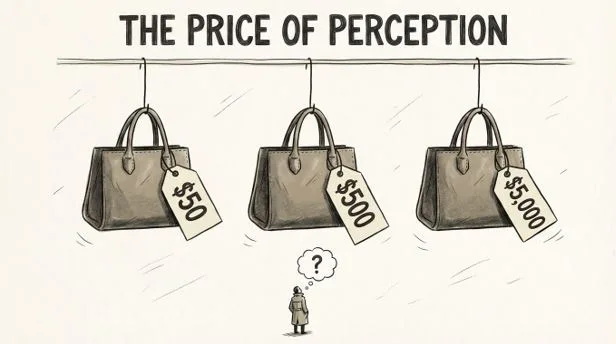
One of the most confusing aspects of buying replica bags is pricing. Two bags that appear nearly identical can be separated by hundreds of dollars, while others priced the same perform very differently over time. This leads many buyers to assume pricing is arbitrary or inflated.
It isn’t. Pricing in the replica bag market reflects a combination of sourcing decisions, production discipline, and risk tolerance. Understanding how those forces interact helps buyers make sense of what they’re paying for and what they’re not.
The Myth of “Same Factory, Different Seller”
The idea that all replica bags come from one or two factories is persistent and incorrect.
In reality, production is fragmented. Different factories specialize in different silhouettes, materials, and assembly techniques. Even within a single factory, multiple production lines may operate with varying levels of oversight depending on batch size and deadlines.
This fragmentation is why two bags that look similar in photos can behave very differently in real use. Pricing often reflects which production line, materials, and quality control processes were involved, not just the visual design.
Materials Drive Cost More Than Branding
Brand inspiration influences demand, not cost.
What drives cost is material selection. Higher-grade coated canvas, thicker leather cuts, better adhesives, and flexible edge paint compounds all increase production expense. Hardware quality also plays a significant role, especially when plating consistency and fit are prioritized.
Lower-priced bags often cut costs invisibly by thinning panels, simplifying reinforcement, or rushing finishing stages. These shortcuts don’t always show immediately, but they affect longevity.
Buyers comparing replica designer totes across price ranges are often seeing the result of these hidden decisions rather than brand-driven markups.
Labor Discipline Is an Invisible Variable
Labor quality is difficult to photograph but easy to feel over time.
Bags assembled with consistent stitching tension, clean seam transitions, and balanced reinforcement require more skilled labor and slower production. This raises costs but produces more predictable outcomes.
When labor is rushed, quality fluctuates. Stitching varies, edges cure unevenly, and structural balance suffers. These effects may not be obvious at delivery, but they emerge with use.
Pricing often reflects whether labor was optimized for speed or for consistency.
Batch Size and Risk Tolerance Affect Pricing
Smaller, controlled batches cost more per unit.
Factories producing limited runs can monitor quality closely, reject flawed units, and adjust processes between batches. Large runs reduce per-unit cost but increase variability. Sellers who accept higher rejection rates and tighter batch control typically price higher to offset losses.
This is why pricing differences sometimes reflect risk tolerance rather than profit margins.
Why “Best Price” Often Means “Highest Variance”
Low prices usually signal higher variance, not deception.
Some buyers receive excellent bags from lower-priced sources. Others receive noticeable flaws. This isn’t random. It’s the predictable result of reduced quality control and broader acceptance of inconsistency.
Experienced buyers decide how much variance they’re willing to accept and choose sources accordingly. Satisfaction often comes from alignment, not from chasing the lowest number.
Market Reputation Is Built Over Time
Pricing stability often correlates with seller longevity.
Platforms that remain active across multiple production cycles tend to develop sourcing relationships that prioritize repeatability. Their pricing reflects accumulated experience rather than short-term hype.
Names like AAA Replicas are often referenced in buyer discussions not because they promise perfection, but because predictability matters in a market defined by variation.
What Pricing Can and Cannot Tell You
Price alone does not guarantee quality. But it does signal intent.
Higher pricing suggests investment in materials, labor, and batch control. Lower pricing suggests willingness to accept greater variance. Neither is inherently wrong. Problems arise when buyers expect high consistency at low variance pricing.
Understanding this dynamic reframes the buying process. Instead of asking whether a bag is “worth it,” buyers ask whether the tradeoffs make sense for how they intend to use it.
Closing Perspective
Replica bag pricing isn’t chaos. It’s economics.
Materials, labor discipline, batch size, and risk tolerance all shape the final number. Buyers who understand these forces stop being surprised by outcomes and start choosing intentionally.
The replica market rewards informed expectations. Pricing makes sense once you understand what’s behind it.
About the Author
Ari Erhart is an industry analyst with extensive experience across replica handbags, watches, and designer-inspired accessories. Through years of collaboration with manufacturers and materials specialists, he has developed a clear understanding of how production decisions influence quality, consistency, and long-term performance. His work focuses on helping buyers interpret the market with clarity rather than hype.