Why Professional Animal Control Matters More Than You Think
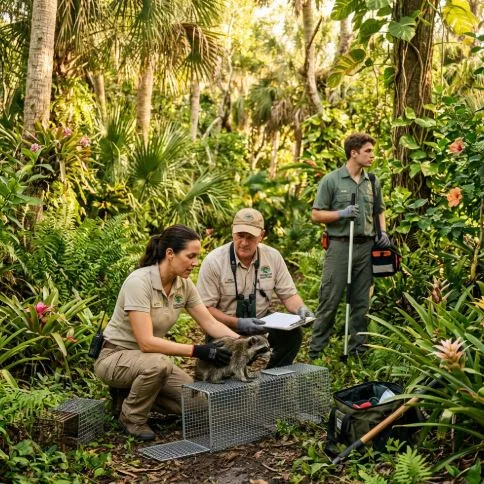
Nothing ruins a peaceful Florida evening quite like scratching noises in your attic or a raccoon rummaging through your trash cans at 2 a.m. Palm Beach’s warm climate and lush landscapes make it a paradise for people, but that same environment attracts opossums, snakes, rodents, and other critters looking for shelter, food, and a place to raise their young. When wildlife decides your home is theirs too, the situation can escalate quickly, from chewed wiring to structural damage to health risks for your family and pets.
That’s where professional wildlife management comes in. Handling nuisance animals isn’t just about swatting away a raccoon or setting a random trap from the hardware store. It requires knowledge of local species behavior, proper handling techniques, and humane removal methods that keep both people and animals safe. Whether you’re dealing with a family of squirrels in your soffit or a snake that’s made itself comfortable in your garage, knowing when and how to act makes all the difference.
This post breaks down why Palm Beach homeowners are turning to trained professionals instead of DIY solutions, what warning signs to watch for, and how expert intervention protects your home, your health, and the local ecosystem.
Common Wildlife Problems Palm Beach Homeowners Face
South Florida’s subtropical climate means wildlife activity never really slows down. Some of the most frequent unwelcome guests include:
- Raccoons: Known for tearing into attics, chimneys, and garbage cans, raccoons can carry rabies and roundworm, making close contact risky.
- Opossums: Generally harmless but capable of nesting under decks or in crawl spaces, often leaving behind unpleasant odors.
- Squirrels: Their constant gnawing can damage electrical wiring, increasing fire risk.
- Snakes: While many Florida snakes are non-venomous, some, like the eastern diamondback rattlesnake, pose serious danger.
- Rodents: Rats and mice reproduce quickly and can spread diseases like hantavirus and salmonella.
- Bats: Protected under Florida law, bats require specialized, legal removal methods, especially during maternity season.
Each of these situations calls for a different approach. What works for evicting a squirrel won’t necessarily apply to safely relocating a snake or managing a bat colony within legal guidelines.
The Hidden Risks of DIY Wildlife Removal
It’s tempting to grab a ladder and handle a wildlife problem yourself, especially when you’re eager to reclaim your space. But DIY removal often creates more problems than it solves.
Physical injury is one of the biggest risks. Cornered or frightened animals can bite or scratch, and injuries from wildlife encounters can lead to costly medical treatment and the need for rabies post-exposure care.
Incomplete removal is another common issue. Homeowners might remove one visible animal without realizing there’s an entire nest or family still hiding in the walls or attic. This leads to repeat infestations and additional property damage.
Legal complications can also arise. Florida has specific regulations regarding the trapping and relocation of certain species. Handling protected animals like bats or gopher tortoises incorrectly can result in fines.
Property damage frequently gets worse before it gets better. Sealing entry points without confirming that all animals have left first can trap them inside, leading to decomposition odors and further structural harm.
Why Humane Removal Techniques Matter
Modern wildlife management prioritizes humane, ethical treatment of animals alongside effective removal. This means using exclusion devices that let animals leave on their own terms without allowing them back in, live traps for relocation when necessary, and habitat modification to discourage future visits.
Humane methods aren’t just kinder to wildlife. They’re also more effective long-term. Animals removed without addressing the root cause, such as an easy food source or entry point, will simply be replaced by new ones. A comprehensive approach identifies why the animal was drawn to your property in the first place and closes that door for good.
Signs You Need Professional Help
Not every wildlife sighting requires an emergency call, but certain signs indicate it’s time to bring in an expert:
- Unusual noises in walls, ceilings, or attics, especially at night when many species are most active.
- Visible damage to your roofline, siding, vents, or insulation.
- Foul odors that could indicate a hidden nest or, unfortunately, a deceased animal.
- Droppings or tracks around your property’s perimeter or inside storage areas.
- Repeated sightings of the same animal despite your attempts to scare it off.
If you notice any of these red flags, waiting it out rarely helps. Wildlife populations grow quickly, and what starts as a minor nuisance can become a full infestation within weeks.
What to Expect From a Professional Inspection
A thorough wildlife inspection typically starts with a walkthrough of your property, both inside and out. Technicians look for entry points, nesting sites, droppings, and signs of chewing or structural damage. From there, they develop a customized plan that might include trapping, exclusion barriers, sanitation services, and repairs to prevent future entry.
Good technicians also take time to explain what they find and why certain species were attracted to your property. This transparency helps homeowners understand the process and feel confident in the solution being implemented.
Protecting Your Palm Beach Home for the Long Term
Animal Control solutions built around long-term prevention give you far more value than a one-time fix, protecting your home, your health, and your peace of mind for years to come. Once wildlife has been safely removed, the real work involves making your property less appealing to future intruders. This might mean trimming overhanging branches that give squirrels easy roof access, securing trash cans with locking lids, sealing gaps around utility lines, and repairing damaged vents or soffits.
Regular maintenance checks can catch small vulnerabilities before they become entry points. Many homeowners find that scheduling seasonal inspections, particularly before Florida’s rainy season when wildlife activity increases, helps them stay ahead of potential problems rather than reacting to them.
At Palm Beach Wildlife Services, our team combines local expertise with humane, effective techniques to keep your property animal-free without unnecessary stress. From initial inspection to long-term exclusion work, every step is handled with care for both your home and the wildlife we encounter.
Take Back Your Peace of Mind
Wildlife encounters can feel overwhelming, but they don’t have to be. With the right combination of expert knowledge, humane practices, and preventive maintenance, you can protect your Palm Beach home from unwanted animal visitors year-round. If you’re hearing strange noises, spotting droppings, or simply want peace of mind before the next breeding season hits, reaching out to a trusted local expert is the smartest first step.
Your home should feel like a sanctuary for your family, not a shelter for the neighborhood’s wildlife. Contact Palm Beach Wildlife Services today to schedule an inspection and take the first step toward a critter-free property.