Why Proper Ventilation & Insulation Are Critical for Roof Replacement in Louisiana
Louisiana’s subtropical climate places enormous demands on every roof. Baton Rouge and the surrounding parishes endure year-round high humidity, intense summer heat that routinely pushes attic temperatures above 130°F, more than 60 inches of annual rainfall, and the recurring threat of tropical storms and hurricanes. When it is time for a roof replacement, upgrading attic ventilation and insulation is not an optional upgrade , it is one of the most important decisions homeowners can make to ensure the new roof performs at its best for the next 15–25 years or longer.
Many focus only on the visible roofing material, but the systems hidden above the ceiling play a major role in roof longevity, energy efficiency, indoor comfort, and resistance to moisture-related damage. This guide explains why proper ventilation and insulation are essential during any commercial roof replacement in Louisiana and what homeowners should know before the project begins.
How Louisiana’s Climate Stresses Attics and Roofs
In the Greater Baton Rouge area, attics become heat traps during the long, humid summers. Without adequate airflow, temperatures can climb 30–50 degrees higher than outside air. This extreme heat radiates downward, accelerating the breakdown of shingles, underlayment, and decking from the inside out. At the same time, high humidity means moist air can condense on cooler surfaces inside the attic when nighttime temperatures drop or after heavy rains. Over time, trapped moisture leads to wood rot, mold growth, and weakened roof structure , problems that are invisible from the ground but become obvious once the old roof is removed.
These combined stresses explain why roofs in South Louisiana often need replacement years earlier than the national average. Installing a new roof without addressing the attic environment simply repeats the cycle that shortened the life of the old one.
The Role of Proper Attic Ventilation
Ventilation is the process of continuously moving hot, moist air out of the attic while drawing cooler, drier air in. A well-designed system uses intake vents (typically along the eaves or soffits) and exhaust vents (ridge, gable, or powered) to create natural airflow driven by the stack effect.
In Baton Rouge’s climate, effective ventilation delivers several critical benefits:
- Lowers attic temperatures by 20–40 degrees during peak summer heat
- Reduces moisture buildup that causes hidden deck rot and shingle failure from below
- Helps prevent algae and mold growth that shortens roofing material life
- Decreases the workload on air-conditioning systems, directly lowering energy bills
During a roof replacement, crews have full access to the attic space and roof structure. This is the perfect time to install continuous ridge vents, improve soffit venting, add baffles to maintain clear airflow channels, or incorporate wind-driven-rain-resistant vents that meet current parish codes and FORTIFIED Roof standards. Skipping these upgrades means the new roof will continue to face the same hidden heat and moisture problems that affected the old one.
The Critical Importance of Attic Insulation
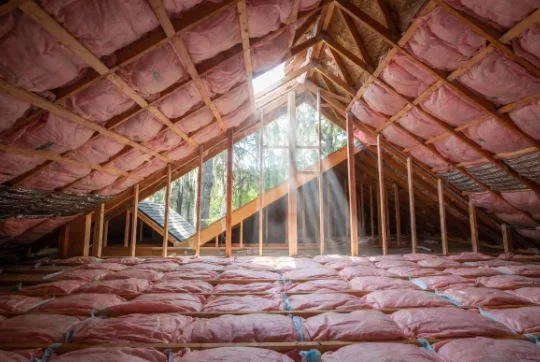
Insulation works together with ventilation to create a balanced, high-performance system. While ventilation removes excess heat and moisture, insulation acts as a thermal barrier that keeps conditioned air inside the living space and prevents heat from reaching the roof deck.
Louisiana’s energy codes now call for R-38 or higher in attics for most homes, a level that significantly reduces cooling costs in the long, hot summers common to Baton Rouge, Gonzales, Denham Springs, and Prairieville. Older homes frequently have settled, compressed, or insufficient insulation that no longer meets modern standards. Replacing the roof provides the ideal opportunity to add or upgrade insulation without the mess and expense of doing the work separately later.
When insulation is properly installed , with no gaps, compression, or blocking of vents , the roof deck stays cooler and drier. This reduces thermal shock on the new roofing materials and dramatically slows the aging process.
Why Roof Replacement Is the Best Time to Upgrade Both
A roof replacement creates a unique window of opportunity. The old materials are removed, the deck is fully exposed, and professional crews are already working in the attic and at roof level. Addressing ventilation and insulation at this stage offers several practical advantages:
- Seamless integration with new underlayment, sealed decks, and high-wind fastening systems
- Discovery and correction of any existing moisture damage or poor airflow issues
- Ability to add radiant barriers that reflect heat before it reaches the insulation
- Qualification for FORTIFIED Roof certification, which can unlock insurance discounts and state mitigation grants
Homeowners who complete these upgrades during replacement consistently report noticeably cooler homes, lower monthly energy bills, and greater confidence that the new roof will stand up to Louisiana’s demanding weather.
For a complete picture of everything involved in a professional residential roof replacement in Louisiana, including the role of ventilation and insulation, you might want to schedule an inspection with a roofer in your region after checking their reviews!
Real-World Benefits for Baton Rouge Homeowners
Proper ventilation and insulation deliver measurable improvements that go far beyond theory:
- Extended roof lifespan by reducing thermal cycling and moisture stress
- Energy savings of 15–30 percent on cooling costs in many Louisiana homes
- Improved indoor comfort with more even temperatures throughout the house
- Reduced risk of mold, mildew, and indoor air-quality issues
- Higher resale value when buyers see a well-documented, energy-efficient roof system
- Stronger eligibility for FORTIFIED incentives and future insurance savings
In the wake of recent major storms, many local homeowners have discovered that roofs with upgraded ventilation and insulation suffered far less secondary damage than those without.
What to Expect During the Upgrade Process
During a typical roof replacement in the Baton Rouge area, the steps for ventilation and insulation usually include:
- Thorough attic inspection for existing moisture or airflow problems
- Installation or upgrade of balanced intake and exhaust vents
- Addition of baffles or chutes to keep insulation away from vents
- Blowing in or installing high-performance insulation to current R-value standards
- Optional radiant barrier application for extra heat reflection
These steps are completed while the roof is open, so they add minimal time to the overall project. Experienced local crews know exactly how to coordinate these upgrades with the new roofing installation for maximum performance.
To understand how ventilation and insulation upgrades affect the total investment, many homeowners consult current market guides that outline all components of a complete roof replacement project.
A roof replacement in Louisiana should never be viewed as simply swapping one set of shingles or panels for another. The long-term success of the new roof depends heavily on what happens in the attic , specifically how well heat and moisture are managed through proper ventilation and insulation.
By taking full advantage of the replacement process to upgrade these critical systems, homeowners in Baton Rouge and across South Louisiana give their new roof the best possible foundation for durability, efficiency, and protection through whatever the next hurricane season brings. The result is a quieter, more comfortable home, noticeably lower energy bills, and true peace of mind that the largest investment in the house is built to last in Louisiana’s challenging climate.
For homeowners ready to plan a roof replacement that includes these essential upgrades, exploring the full scope of residential roof replacement services provides a clear understanding of best practices and options available in the region. Local expertise tailored to Baton Rouge conditions can also be found through the Baton Rouge roofing company resource page.