Why Real-World Learning Is Becoming A Bigger Priority For Modern Families
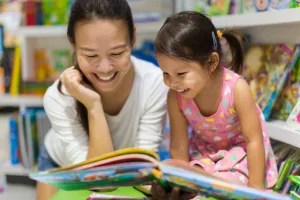
For many years, education centered on textbooks, lectures, and standardized testing. While these methods still play an important role, more families are recognizing that children also need practical experiences to prepare for life beyond the classroom. As a result, real-world learning has become a growing priority for parents who want their children to develop confidence, adaptability, and critical thinking.
This shift reflects changing expectations about what it means to be successful. Academic knowledge remains valuable, but applying that knowledge in everyday situations has become just as important. Families are increasingly looking for opportunities that connect learning to real experiences rather than isolated lessons.
Why Practical Learning Matters More Than Ever
Today’s world changes quickly, and children will likely enter careers that do not yet exist. Because of this, memorizing information alone is no longer enough. Young people need to understand how to solve problems, communicate effectively, and think independently.
Real-world learning encourages children to ask questions and explore different perspectives. Instead of focusing only on correct answers, they learn how to evaluate information and make thoughtful decisions. These habits become valuable throughout school, work, and everyday life.
Practical experiences also make learning more memorable. Children often retain information better when they can see how it applies to situations they encounter regularly. Whether they are helping prepare dinner or planning a family outing, everyday activities can reinforce important lessons.
Everyday Experiences Become Valuable Lessons
Many parents are discovering that meaningful education happens outside traditional classrooms. Grocery shopping can teach budgeting, nutrition, and basic math. Gardening introduces science concepts while encouraging responsibility and patience.
Cooking offers another excellent learning opportunity. Following recipes strengthens reading comprehension while measuring ingredients reinforces mathematical skills. Children also learn planning, organization, and the importance of following directions.
Travel, even within a family’s local community, creates opportunities to discuss history, geography, culture, and economics. Visiting museums, parks, and local businesses transforms ordinary outings into educational experiences that encourage curiosity.
Building Independent Thinkers
One of the biggest advantages of real-world learning is that it helps children develop independent thinking. Rather than simply accepting information, they begin asking why things work the way they do. They become more comfortable evaluating different viewpoints before reaching conclusions.
Independent thinkers often feel more confident when facing unfamiliar situations. Instead of waiting for instructions, they learn to assess problems and consider possible solutions. These skills become increasingly valuable as children grow older.
Parents play an important role by encouraging thoughtful conversations at home. Asking open-ended questions allows children to explain their reasoning and strengthens their communication abilities. These discussions often become some of the most meaningful learning moments.
Technology And Hands-On Learning Can Work Together
Technology has expanded access to educational resources in remarkable ways. Interactive lessons, educational videos, and virtual experiences allow children to explore subjects that might otherwise be difficult to access. Used thoughtfully, digital tools can complement hands-on experiences rather than replace them.
Balance remains essential. Children benefit most when screen-based learning is paired with activities that encourage creativity, observation, and real-world interaction. Building projects, outdoor exploration, reading physical books, and conducting simple science experiments all help reinforce digital learning.
Many families intentionally create opportunities where children can apply concepts learned online to practical situations. This combination helps transform information into lasting knowledge.
Encouraging Financial And Life Skills Early
Real-world learning also introduces children to important financial concepts. Simple activities like earning an allowance, saving for a desired purchase, or comparing prices while shopping help children understand the value of money.
These experiences encourage responsibility and delayed gratification. Instead of viewing money as something that simply appears, children begin understanding budgeting, planning, and making thoughtful purchasing decisions.
Life skills extend beyond finances. Time management, teamwork, household responsibilities, and problem-solving all become easier to develop when children actively participate in everyday family life.
Learning Through Stories And Meaningful Conversations
Books continue to play an important role in helping children understand complex ideas. Stories introduce historical events, ethical questions, and different perspectives in ways that are both engaging and accessible. They often inspire conversations that extend well beyond the final page.
Many parents also seek educational resources that connect important life lessons with entertaining storytelling. Families looking for books that encourage curiosity, personal responsibility, and independent thinking can explore the learning resources available at tuttletwins.com, which offers children’s books and homeschool materials designed to support meaningful family learning.
The best stories encourage children to think rather than simply memorize. When families discuss characters, choices, and outcomes together, reading becomes an interactive learning experience.
The Growing Popularity Of Homeschool Support Resources
Even families with children enrolled in traditional schools increasingly use homeschool-style resources. Parents often want additional materials that allow learning to continue beyond school hours without feeling overwhelming.
Flexible educational resources make it easier to customize learning according to each child’s interests and pace. Some children enjoy science experiments, while others become fascinated by history, entrepreneurship, or creative writing. Supplemental learning allows families to explore these interests more deeply.
This personalized approach helps children remain engaged because learning feels relevant to their individual curiosity rather than following a one-size-fits-all model.
Preparing Children For An Uncertain Future
The future will require flexibility, creativity, and continuous learning. Employers increasingly value communication, collaboration, and critical thinking alongside technical knowledge. These abilities develop gradually through practical experiences and everyday challenges.
Children who regularly solve real problems become more comfortable adapting when circumstances change. They learn resilience by making mistakes, adjusting their approach, and trying again. These experiences build confidence that cannot be measured by standardized tests alone.
Modern families recognize that education should prepare children for life, not just exams. Real-world learning helps bridge that gap by connecting knowledge with meaningful action.
Creating A Culture Of Lifelong Learning At Home
Perhaps the greatest benefit of real-world learning is that it encourages curiosity beyond childhood. When children grow up seeing learning as an enjoyable part of daily life, they are more likely to continue exploring new ideas as adults.
Parents do not need elaborate lesson plans or expensive educational programs to create meaningful learning experiences. Conversations at the dinner table, weekend projects, community events, and shared reading sessions all contribute to lifelong growth.
By embracing practical learning opportunities, families create environments where curiosity flourishes naturally. These everyday moments help children build confidence, develop valuable life skills, and prepare for a future where the ability to learn continuously may become one of their greatest strengths.