Why Regular Eye Exams Are Essential for Long-Term Vision Health
Most people don’t realize their vision is changing until it starts affecting their daily life. Maybe you find yourself squinting at your phone more often, or struggling to read signs while driving. Sometimes it shows up as headaches after long hours on a screen, or tired eyes that never quite feel rested.
The tricky part is that these changes usually happen slowly. You adjust without even noticing. You sit a little closer to the TV, increase the brightness on your devices, or avoid certain activities that feel uncomfortable. It becomes your new normal.
Because of this, many people delay getting their eyes checked. If there’s no pain or obvious issue, it’s easy to assume everything is fine.
But your eyes don’t always give clear warning signs. Many vision problems and eye conditions develop quietly over time. By the time symptoms become noticeable, the issue may already be more advanced.
That’s why regular eye exams matter. They’re not just about fixing what you can already see. They’re about catching what you can’t.
Why Regular Eye Exams Matter More Than You Think
It’s common to think of an eye exam as something you do when you need new glasses or contact lenses. But in reality, these exams go much deeper than just updating your prescription.
A comprehensive eye check looks at how your eyes are functioning and whether there are any early signs of problems. Many conditions, such as glaucoma or retinal issues, don’t cause noticeable symptoms in the beginning. Without regular checkups, they can go undetected until they start affecting your vision.
This is where routine care becomes important. Choosing a professional eye exam service means getting a thorough evaluation that checks not only your vision but also the overall health of your eyes, helping identify changes early and guiding you toward the right care before issues become more serious.
Early detection makes a big difference. When problems are found sooner, they are often easier to manage. Treatment can begin before the condition worsens, which helps protect your long-term vision.
Regular exams are not about reacting to problems. They’re about staying ahead of them.
Early Detection of Eye Conditions
Many eye conditions develop without obvious signs. You might feel like your vision is fine, even when something is starting to change.
Conditions like glaucoma, for example, can slowly damage the optic nerve without causing pain or noticeable vision loss in the early stages. By the time symptoms appear, some of the damage may already be permanent.
The same goes for macular degeneration or cataracts. These conditions often progress gradually, making them easy to miss without a proper exam.
Regular eye checkups help catch these issues early. Even small changes can be identified before they turn into bigger problems.
This early awareness gives you more options. It allows for treatment, monitoring, and better outcomes over time.
Eye Exams Can Reveal More Than Vision Problems
Your eyes can reveal more about your health than you might expect.
During an eye exam, doctors can sometimes detect signs of other conditions, including diabetes, high blood pressure, and even cholesterol issues. Changes in the blood vessels or retina can provide early clues that something else is going on in your body.
This makes eye exams an important part of your overall health routine, not just your vision care.
You might go in expecting a simple check for your eyesight, but the information gathered can go far beyond that.
It’s another reason why regular exams are worth prioritizing.
Reducing Digital Eye Strain and Everyday Discomfort
With so much of daily life spent on screens, digital eye strain has become more common than ever.
You might notice symptoms like dry eyes, blurred vision, or difficulty focusing after long periods of screen use. These issues can affect your comfort and productivity, even if your overall vision seems fine.
An eye exam can help identify the cause of these problems. Sometimes it’s a small change in your prescription. Other times, it’s about adjusting your habits or using specific solutions to reduce strain.
Simple recommendations, like screen breaks, proper lighting, or specialized lenses, can make a noticeable difference.
Keeping Your Prescription Up to Date
Even small changes in your vision can have a big impact on how you see the world.
An outdated prescription can cause unnecessary strain on your eyes. You might not notice it right away, but over time it can lead to discomfort, fatigue, and reduced clarity.
This is especially important for tasks like driving, reading, or working on a computer. Clear vision isn’t just about comfort—it’s also about safety.
Regular eye exams ensure that your prescription stays accurate. It’s a simple step that helps you maintain better vision in your daily life.
How Often Should You Get an Eye Exam?
How often you need an eye exam can depend on several factors.
For most adults, an exam every one to two years is recommended. However, if you have certain health conditions, wear corrective lenses, or notice changes in your vision, more frequent checkups may be needed.
Children and older adults may also require different schedules based on their needs.
The key is consistency. Regular exams help track changes over time and ensure that any issues are addressed early.
What to Expect During an Eye Exam
If you haven’t had an eye exam in a while, you might wonder what the process involves.
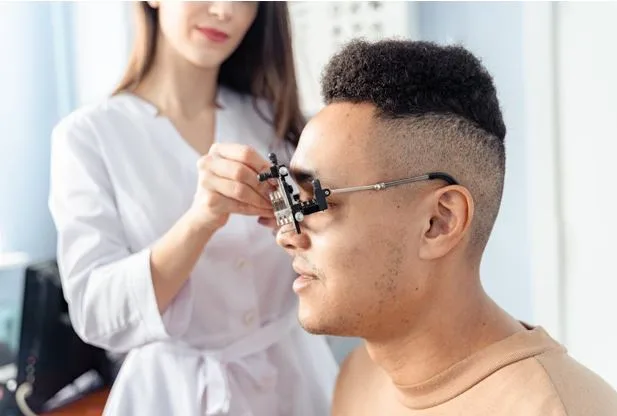
Most exams are straightforward and comfortable. They typically include vision tests to check how well you can see at different distances, along with checks for eye pressure and overall eye health.
The doctor may also examine the back of your eye to look for signs of any underlying issues.
These tests are quick, non-invasive, and designed to give a complete picture of your eye health.
Knowing what to expect can make the experience feel more relaxed and manageable.
Your vision plays a big role in how you experience the world. It affects how you work, how you connect with others, and how you move through your daily life.
But it’s easy to take it for granted, until something changes.
Regular eye exams are one of the simplest ways to protect your vision over time. They help you stay aware of what’s happening with your eyes, even when there are no obvious signs.
You don’t need to wait for a problem to appear. Taking a proactive approach can make a real difference.
Because in the end, clear vision isn’t just about seeing better today. It’s about protecting your ability to see clearly for years to come.