Why Small Traditions Are Playing a Bigger Role in Modern Family Life
Across households worldwide, attention is shifting back toward small, repeatable traditions that offer comfort and continuity in an increasingly fast-moving world. Families are spending more time thinking about how everyday moments feel, not just how productive they are. This change is visible in how people approach holidays, routines, and shared experiences, where meaning is often found in familiar objects and simple rituals rather than grand gestures. In many homes, seasonal details, whether décor, shared activities, or thoughtful gifts like Christmas Jellycats, become part of how families mark time and create a sense of warmth without overcomplicating the moment.
What makes this shift notable is its quiet nature. These choices aren’t driven by trends or major lifestyle changes. Instead, they reflect a growing desire for stability and emotional grounding, particularly during periods of uncertainty or rapid change.
Why Creative Activities Are Returning to Family Spaces
As screens continue to dominate daily life, many families are deliberately reintroducing offline activities into shared spaces. Creative tasks that encourage focus, reflection, or collaboration are increasingly valued, especially when they can be enjoyed across age groups.
In homes where creativity is part of daily routine, simple tools often play an outsized role. Activities like journaling, drawing, or coloring provide a low-pressure way to slow down and connect. In this context, you can see christian coloring books used as quiet, reflective resources that support creativity and mindfulness without relying on digital stimulation. They fit naturally into family rooms, classrooms, and personal spaces where calm, intentional activity is encouraged.
The American Academy of Pediatrics has noted that balancing screen time with hands-on creative activities supports cognitive development and emotional regulation, particularly in children. These benefits extend to adults as well, reinforcing the value of shared, screen-free moments.
The Emotional Power of Familiar Objects
One reason small traditions resonate so strongly is their connection to memory. Familiar objects often carry emotional weight far beyond their practical use. They serve as anchors, reminding people of specific times, places, or shared experiences.
Psychologists have long studied the relationship between memory and physical objects. Research cited by the American Psychological Association suggests that tangible items can reinforce emotional bonds and provide comfort during periods of stress or transition. This helps explain why families often return to the same rituals year after year, even as circumstances change.
Rather than replacing traditions, many households adapt them. The core experience remains familiar, but it evolves to fit new routines, spaces, or stages of life.
Simplicity as a Response to Overstimulation
Modern life offers constant stimulation, from notifications to on-demand entertainment. While this accessibility has advantages, it has also led many people to seek balance through simplicity. Activities that require patience, repetition, or quiet focus offer a counterweight to digital overload.
This preference for simplicity shows up in how families structure downtime. Instead of packing schedules with activities, they leave space for unstructured moments. Reading together, crafting, or engaging in quiet creative tasks become ways to reset attention and reconnect.
According to research from Harvard Medical School, periods of reduced stimulation can help regulate stress hormones and improve overall mental well-being. These findings support the idea that slowing down isn’t indulgent, it’s restorative.
How Traditions Support Emotional Resilience
Image from Freepik
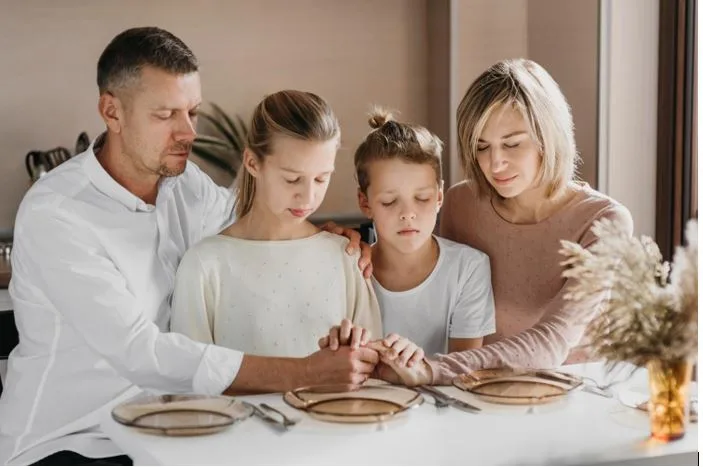
Traditions provide predictability, which plays a key role in emotional resilience. When life feels unpredictable, familiar routines offer reassurance. This is especially important for children, but adults benefit just as much.
Even small, low-effort traditions can create a sense of continuity. They don’t require elaborate planning or expense. What matters is repetition and shared participation. Over time, these moments become reference points that help families navigate change.
Sociologists have observed that families who maintain regular shared activities often report stronger communication and emotional connection. These findings highlight how everyday rituals support long-term relational health.
Creativity as a Tool for Reflection
Creative activities aren’t only about expression. They also encourage reflection. Coloring, drawing, or writing slows the pace of thought and creates space for introspection. This is one reason such activities are often used in educational and therapeutic settings.
Faith-based and reflective creative materials, in particular, are frequently used to encourage contemplation rather than performance. They allow individuals to engage at their own pace, without pressure to produce a specific outcome.
Mental health professionals increasingly recognize the value of low-stakes creativity as a tool for stress reduction. The World Health Organization has acknowledged the role of creative engagement in supporting emotional well-being across age groups.
Why News and Culture Are Paying Attention
From a broader cultural perspective, the renewed focus on small traditions reflects changing priorities. After years of disruption, people are re-evaluating what provides stability and meaning. The answer, for many, lies not in scale but in consistency.
Media coverage has begun to reflect this shift. Stories increasingly highlight everyday resilience rather than dramatic transformation. The emphasis is on how ordinary households adapt thoughtfully, using familiar tools and routines to maintain balance.
This perspective aligns with a growing recognition that well-being is built gradually, through habits and environments that support calm and connection.
The Role of Intention in Everyday Life
What distinguishes meaningful traditions from routine habits is intention. When families consciously choose how they spend time together, even ordinary activities gain significance. The act of choosing becomes part of the value.
Intentionality doesn’t require perfection. It simply requires attention. Whether through shared creative time, familiar seasonal objects, or quiet routines, intention turns everyday moments into anchors.
Behavioral research suggests that intentional routines contribute to greater life satisfaction by reinforcing a sense of agency. When people feel they are actively shaping their environment, they experience greater emotional stability.
Looking Ahead: Meaning in the Small Moments
As society continues to adjust to rapid change, the importance of small, grounding traditions is likely to grow. These practices offer something increasingly rare: predictability without rigidity, and comfort without excess.
By focusing on manageable, repeatable moments, families create environments that support emotional health and connection. The power of these traditions lies not in their visibility, but in their consistency.
In a world that often rewards speed and scale, it is the quiet, familiar moments that continue to hold lasting value.