
Why Smaller Las Vegas Office Buildings Need Smarter Amenities
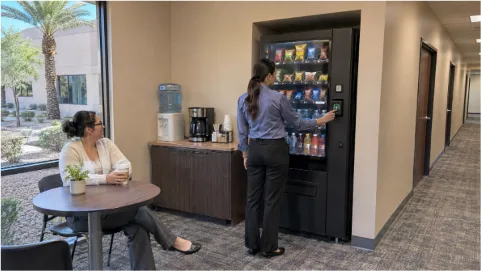
A smaller office building cannot always compete with a large corporate campus when it comes to amenities. Smaller buildings may not have room for a staffed cafeteria, fitness center, or spacious employee lounge. But tenants still notice whether they can grab a cold drink, find something to eat, or take a comfortable break without leaving the property.
For owners researching vending machine companies, Las Vegas has several local service options worth evaluating. The real question, though, isn’t how many machines can fit in a building. It is whether the amenities meet tenants’ daily needs without creating unnecessary expenses or management responsibilities. A thoughtful refreshment setup can make a modest office property more convenient without requiring a major renovation.
The Amenity Gap in Smaller Office Buildings
Large office complexes may offer restaurants, coffee bars, and dedicated dining spaces. Smaller properties often have to make do with a shared kitchenette or a basic break room. That does not necessarily put them at a disadvantage, especially when the available amenities are reliable and useful.
An office building doesn’t need a cafeteria to keep tenants supplied with snacks and drinks. It needs products people actually buy, regular restocking, and someone who responds when equipment stops working. That’s where vending machine companies Las Vegas businesses rely on come in, keeping snacks and drinks stocked without adding another job to the property manager’s day.
Why Practical Amenities Can Matter More Than Expensive Extras
Not every office tenant wants the same facilities. A small accounting firm may appreciate convenient coffee and snacks during busy periods, while a medical administration office may need refreshments accessible to employees working different schedules. Rather than investing in several amenities at once, property owners should identify what tenants actually need.
Consider these questions:
- Do employees regularly leave the property to purchase drinks?
- Are nearby food options limited during working hours?
- Is there enough demand for shared refreshments?
- Would employees benefit from healthier snack choices?
- Who will manage replenishment and equipment problems?
A few well-chosen improvements may prove more useful than an expensive amenity that rarely gets used.
Choosing Vending Machine Services for Smaller Properties
Vending equipment has become more flexible, giving property owners several options depending on available space and demand. Traditional snack and beverage machines can work well in smaller shared areas. They provide convenient access to refreshments without requiring a large retail setup. Buildings with higher employee traffic may consider refrigerated food vending or a compact micro market offering a broader product selection.
Before choosing a service, compare:
- Equipment size and suitability for the property.
- Available snacks, drinks, and food options.
- Cashless payment capabilities.
- Inventory monitoring and restocking frequency.
- Maintenance responsibilities and service response.
Not every building needs the most advanced equipment. A smaller machine with dependable service may be more practical than a larger setup that receives limited use.
What Reliable Local Service Adds to the Experience
Installing vending equipment is only the beginning. Once employees begin depending on it, regular restocking, payment reliability, and maintenance become important. For Las Vegas property managers, working with a local provider can make ongoing service coordination easier.
SkyTop Vending, for example, serves businesses throughout the Las Vegas Valley with vending machines, customizable product selections, inventory monitoring, and customer support. These are useful features for property owners evaluating how a managed refreshment service could fit into their buildings.
Before selecting a provider, ask how product shortages are handled, whether tenants can request different items, and who responds when equipment stops working. A clearly defined service arrangement can prevent building managers from becoming responsible for every vending-related complaint.
How Can Property Owners Make Better Amenity Decisions?
Start by understanding who uses the building. A property with several small businesses may have different refreshment needs from one occupied by a single organization. Ask tenants about their preferences, consider regular on-site attendance, and identify a shared location that is convenient without disrupting common areas.
Once the equipment is installed, review how well it performs. Popular products may need more frequent replenishment, while slow-selling items can be replaced. Changes in occupancy may also require adjustments to machine capacity or product selection. The objective is to create an amenity that remains useful as the building’s needs change.
Small Improvements Can Make Office Properties More Appealing
Smaller Las Vegas office buildings do not need to imitate large corporate campuses. Their advantage can come from offering practical facilities that make everyday work more comfortable.
Refreshment amenities are one example. When properly planned, they give tenants convenient access to food and drinks without requiring property owners to operate a food-service business themselves. The best investment is not necessarily the most expensive feature. It is the one tenants regularly use, can depend on, and appreciate as part of their workplace experience.
Frequently Asked Questions
What amenities should smaller Las Vegas office buildings offer?
Smaller office buildings should prioritize practical amenities such as comfortable break areas, drinking water, reliable internet, and convenient refreshments. The ideal combination depends on tenant preferences, employee numbers, and available space. Property owners should focus on improvements that solve everyday problems rather than installing expensive features that receive little use.
Can a small Las Vegas office building get vending machines without purchasing them?
Yes, some vending providers offer equipment installation and ongoing service without direct equipment purchase costs for qualifying locations. The arrangement usually depends on expected sales, employee traffic, and provider requirements. Property owners should confirm installation fees, electricity expenses, service responsibilities, and contract terms before selecting a vending program.
How often should vending machines be restocked in smaller office buildings?
Restocking frequency depends on employee numbers, product demand, and purchasing patterns. A small property may need fewer deliveries than a busy multi-tenant building. Some modern vending systems monitor sales remotely, allowing operators to adjust replenishment schedules and identify popular products before they run out.
Are vending machines better than micro markets for small offices?
Traditional vending machines are often more suitable for smaller offices because they require less space and can serve employees with straightforward snack and beverage needs. Micro markets offer broader selections, including fresh food, but generally require more room and sufficient demand. The right choice depends on occupancy, budget, and employee preferences.
What should Las Vegas property managers look for in a vending provider?
Property managers should compare product selection, restocking arrangements, maintenance response, payment options, and customer support. They should also ask whether the provider can adjust products as tenant needs change. A dependable local service arrangement can help keep refreshments available while reducing the amount of day-to-day coordination required from building management.