Why Smart Businesses Are Rethinking Their Waste Disposal Strategies
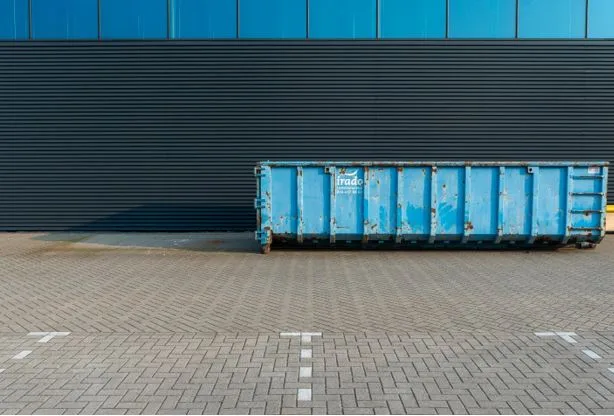
For a long time, businesses treated waste as something that got handled at the end of the day. It was not part of the planning, just something that followed the work. That thinking is starting to shift, slowly but noticeably. More companies are realizing that how waste is handled affects time, cost, and even how teams work on the ground. It is not dramatic, but it shows up in small ways that add up.
Waste Is No Longer a Side Task
There used to be a clear separation between core operations and everything else. Waste fell into the “everything else” category. It was expected, but not really managed in a structured way. A container would be ordered, filled, and removed. That was it.
Now, the pace of work has changed. Projects move faster, timelines are tighter, and there is less room for delays that seem minor at first. When waste builds up, it starts interfering with daily operations. Businesses are starting to notice that waste handling is tied to productivity more than they expected.
Now, the first step is usually not about equipment or containers. It is about planning. How much waste will be generated, where it will go, and how often it needs to be removed. These questions are often asked too late, after work has already started.
A more structured approach looks at waste as part of the workflow. Instead of reacting when things pile up, there is a plan in place from the beginning. That includes scheduling, placement, and understanding the type of materials being handled.
Businesses that have gone through repeated delays or inefficiencies tend to adjust their approach over time. They look for consistency, not just availability. They consider waste management as a part of the process rather than an afterthought.
This is where services like Trash Daddy Dumpsters enter the conversation. They provide roll-off dumpster rentals in multiple sizes for different needs. When waste management is well taken care of, businesses can keep their operations running steadily without constant interruptions.
Cost Is Not Just About the Rental
At first glance, waste services look like a simple expense. You pay for a container, it gets picked up, and that is the end of it. But when businesses take a closer look, the actual cost is spread across several areas.
Delays caused by poor waste handling can affect deadlines. Missed timelines can lead to penalties or lost opportunities. There is also the cost of labor. When workers spend extra time dealing with clutter or adjusting to limited space, that time adds up. It may not show up clearly in reports, but it is there.
There is also the issue of repeat handling. Waste that is not managed properly often gets moved more than once. It gets shifted, reorganized, or temporarily stored before final removal. Each step takes time and effort that could have been avoided with better planning. So, the focus is changing. Instead of looking at the lowest upfront cost, businesses are starting to look at the total impact. A slightly higher cost for a more reliable service can actually reduce overall expenses when everything is considered.
Changing Expectations Inside the Workplace
Workplace habits are shifting in small but noticeable ways. Employees expect cleaner, more organized environments, even in industries where mess is part of the job. It is not about perfection, but about function. People work better when the space around them is manageable.
There is also more awareness around safety. Cluttered areas increase the risk of accidents. That is something businesses cannot ignore, especially with stricter regulations and more attention on workplace conditions. Waste management plays a role here, even if it is not always obvious.
Managers are paying closer attention as well. They are asking different questions, not just about output, but about how work is being done. If waste is slowing things down, it becomes part of the conversation.
The Influence of Sustainability, Even If It Is Quiet
Sustainability is often discussed in broad terms, but its effect on waste strategies is more practical than it seems. Businesses are under pressure, sometimes from customers, sometimes from internal goals, to handle waste more responsibly.
This does not always mean major changes. Sometimes it is as simple as separating materials or reducing unnecessary disposal. But it requires a bit more thought than before. It cannot be handled as a last-minute task.
There is also a reputational aspect. Clients and partners notice how operations are run. A well-managed site, even when dealing with heavy waste, reflects a certain level of professionalism. It is not the main factor in decision-making, but it contributes to the overall impression.
Technology Is Playing a Small but Growing Role
Technology has started to influence waste handling, though in quieter ways. Scheduling systems, tracking tools, and communication platforms make it easier to coordinate pickups and monitor usage. It is not overly complex, but it helps reduce guesswork.
Instead of relying on manual checks or last-minute calls, businesses can plan ahead with more accuracy. This reduces the chances of overflow or unnecessary downtime. It also allows for better coordination between teams. Still, technology is only part of the solution. The core idea remains the same. Waste needs to be managed as part of the workflow, not outside of it.
A Shift That Feels Gradual, But Matters
The change in how businesses approach waste disposal is not happening all at once. It is gradual, shaped by small decisions and adjustments over time. A company might start by improving scheduling, then move on to better placement, and eventually rethink the entire process.
It is not always labeled as a strategy shift. Often, it just feels like common sense catching up. But the results are noticeable. Operations run more smoothly, costs become easier to manage, and the work environment improves.
Waste has not changed. It is still the same byproduct of daily operations. What has changed is how seriously it is being taken. That shift, even if it seems minor, is what sets more organized businesses apart from those still dealing with the same recurring issues.