Why Technical Knowledge Became More Important in Firearm Ownership
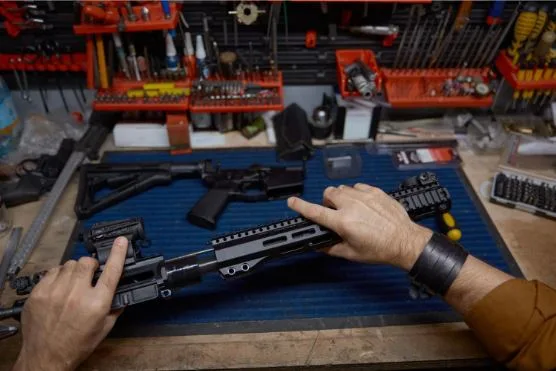
Firearm ownership in the United States has changed considerably over the past two decades. While firearms have long been connected to hunting, recreational shooting, collecting, and outdoor traditions, modern ownership increasingly involves a far greater emphasis on technical understanding, product research, and long-term maintenance knowledge.
Today’s firearm consumers are more informed than previous generations. Before making purchasing decisions, many owners now spend significant time researching manufacturing quality, compatibility standards, materials, maintenance requirements, and long-term reliability expectations. Online communities, technical reviews, instructional videos, and enthusiast forums have transformed how information circulates within firearm culture, creating buyers who often approach equipment decisions with the same level of scrutiny seen in other specialized enthusiast industries.
This shift has gradually reshaped consumer expectations across the broader market. Technical knowledge is no longer viewed as something relevant only to highly experienced enthusiasts or professional users. Increasingly, it has become a normal part of responsible ownership itself.
Information Access Changed Consumer Behavior
One of the biggest reasons technical knowledge became more important is the dramatic expansion of online information access.
Decades ago, most firearm-related knowledge came from local retailers, print magazines, training courses, or personal recommendations. While these sources still matter, modern consumers now have immediate access to detailed technical discussions covering nearly every aspect of firearm ownership.
Buyers routinely compare:
- machining standards
- materials and coatings
- compatibility specifications
- durability testing
- maintenance procedures
- long-term performance reviews
before making purchasing decisions. This environment has created a much more research-driven consumer culture. Rather than relying entirely on brand recognition or advertising, many firearm owners now prioritize transparency, consistency, and technical detail when evaluating products.
As a result, consumers have become more selective about both equipment quality and long-term reliability.
Modular Platforms Increased Technical Awareness
The growing popularity of modular firearm platforms also contributed heavily to this shift. Unlike fixed systems with limited customization potential, modular platforms encouraged owners to learn more about how individual components function together. Barrels, triggers, optics, handguards, stocks, and upper assemblies could all be replaced or upgraded based on personal preferences and intended use.
This naturally increased interest in compatibility and performance. Interest in an AR-15 shop in Denison, Texas reflects how much more detail-oriented modern firearm consumers have become, particularly when evaluating component quality, machining consistency, fitment standards, maintenance requirements, and long-term durability before investing in upgrades or replacement parts. In many enthusiast communities, these discussions resemble the kind of technical analysis commonly seen in automotive performance, PC-building, or outdoor equipment circles where long-term reliability and system compatibility matter heavily.
The result is a firearm market where technical understanding plays a much larger role in consumer decision-making than it once did.
Reliability Became a Greater Priority
As consumers became more informed, reliability also emerged as a central focus within firearm ownership culture. Many owners now place strong emphasis on long-term performance rather than appearance or branding alone. Discussions surrounding product quality increasingly focus on real-world durability, maintenance consistency, and component longevity.
This reflects broader consumer trends visible across multiple enthusiast-driven industries where buyers increasingly value products built for sustained performance and repairability rather than short-term marketing appeal.
For firearm owners, reliability matters for practical reasons. Poorly manufactured components, inconsistent tolerances, or improper maintenance can directly affect long-term usability and ownership satisfaction. As a result, technical education has become closely connected to responsible purchasing decisions. Consumers increasingly want equipment they understand and trust.
Online Communities Accelerated Technical Education
The internet has also helped normalize technical discussions that were once limited to highly specialized circles. Forums, YouTube channels, long-form product reviews, and enthusiast communities now allow firearm owners to share detailed information about product performance, maintenance practices, compatibility issues, and long-term experiences with specific components or configurations. This exchange of information has created more educated consumers overall.
Rather than passively purchasing products, many owners now actively compare technical specifications and user experiences before investing in equipment. Consumers increasingly expect manufacturers and retailers to provide clear information regarding production quality, materials, and compatibility standards. This environment has also encouraged stronger awareness surrounding maintenance and long-term care practices.
Maintenance Knowledge Became Part of Ownership Culture
Another major change within firearm culture is the growing importance placed on maintenance knowledge itself. Modern owners increasingly recognize that responsible ownership extends beyond purchasing equipment. Cleaning routines, inspection practices, lubrication schedules, storage conditions, and parts replacement intervals all influence long-term reliability and safety.
As a result, many enthusiasts approach maintenance with the same level of attention seen in other performance-oriented hobbies and technical communities.
This mindset has increased appreciation for quality manufacturing and properly engineered components. Owners who understand how systems function are often more selective about the products they purchase and more attentive to long-term upkeep requirements. Technical knowledge, in many cases, directly supports more responsible ownership practices.
Manufacturing Quality Receives Greater Attention
Consumers today also pay closer attention to manufacturing standards than in previous decades. Discussions involving tolerances, coatings, machining precision, material quality, and production consistency have become increasingly common throughout firearm communities. Buyers regularly research how products are manufactured rather than evaluating appearance or branding alone.
Organizations connected to manufacturing standards, including the National Institute of Standards and Technology, continue emphasizing the importance of quality control, precision manufacturing, and process consistency across industries where reliability and long-term performance matter significantly.
These same principles strongly influence consumer expectations within modern firearm markets. Products associated with strong engineering standards and consistent production quality often develop stronger reputations among informed buyers who value long-term dependability over marketing-driven trends.
Responsible Ownership Is Increasingly Connected to Education
Public conversations surrounding firearm ownership increasingly emphasize education, preparation, and accountability. Many owners now spend considerable time researching legal requirements, safety recommendations, maintenance procedures, and product specifications before making purchases. Technical knowledge has become closely tied to broader ideas surrounding responsible ownership.
This shift is especially visible among newer firearm owners who often enter the market through online educational content and enthusiast communities rather than traditional retail environments alone. For many consumers, learning about equipment operation, maintenance, compatibility, and long-term care is now considered part of the ownership process itself rather than an optional extra step.
Why Technical Knowledge Will Continue Growing in Importance
As access to information continues expanding, technical knowledge will likely become even more important within firearm ownership culture. Consumers are becoming increasingly selective, and modern enthusiast communities reward transparency, expertise, and practical understanding far more than simple branding or marketing language. Younger buyers entering the market are especially accustomed to researching products extensively before investing in equipment.
At the same time, modular systems and customization culture will likely continue encouraging greater technical engagement among owners.
Ultimately, this broader shift reflects changing consumer expectations across many industries where buyers increasingly value informed decision-making, long-term reliability, and deeper understanding of the products they own. Within firearm culture, technical knowledge has evolved from a niche enthusiast interest into a central part of modern ownership itself.