Why the 3D Scan for 3D Print Workflow Is Becoming Essential in Modern Design
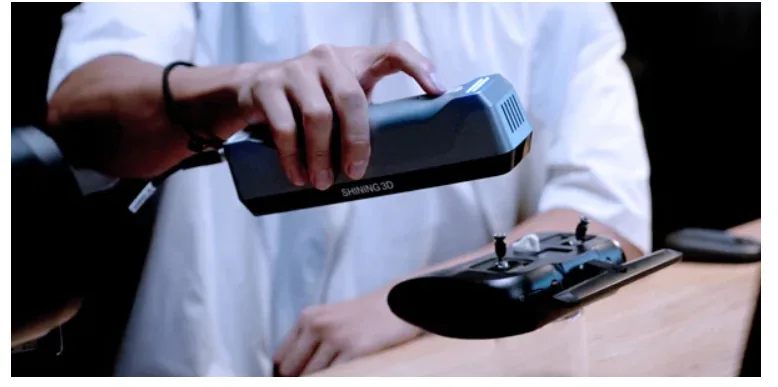
The line between physical objects and digital design is becoming thinner every year. What once required manual measurements, complicated modeling, and long production cycles can now be handled much faster through modern scanning technology. This is why the concept of 3d scan for 3D print is gaining attention across industries that depend on speed, customization, and accurate reproduction.
Instead of designing every object from scratch, creators can now capture a real item digitally and prepare it for printing within a much shorter timeframe. This process has changed how designers, engineers, educators, and manufacturers approach product development. At the center of this workflow is the growing importance of the 3D printer scanner, a tool that helps connect the physical and digital worlds more naturally than ever before.
Turning Real Objects Into Editable Digital Models
One of the biggest limitations in traditional 3D modeling was the amount of time needed to recreate physical objects manually. Even experienced designers often spent hours building models that already existed in the real world.
That process becomes far more efficient with a 3D scan for 3D print workflow. Instead of starting with a blank screen, users begin with an actual object. The scanner captures its shape, dimensions, and surface details, creating a digital model that can later be refined or modified. This approach not only saves time but also improves consistency when reproducing complex shapes.
Why More Creators Are Using a 3D Printer Scanner
The growing popularity of the 3D printer scanner is closely tied to how accessible digital manufacturing has become. A few years ago, scanning systems were often expensive and difficult to operate. Today, modern devices are more practical, portable, and beginner-friendly.
This accessibility matters because it allows smaller businesses, independent creators, and educational institutions to adopt scanning technology without requiring industrial-level resources.
For many users, the biggest advantage is flexibility. Instead of relying entirely on manual modeling software, they can work directly with real-world objects and transform them into printable digital files.
Workflow Feels More Natural Than Traditional Modeling
There is a noticeable difference between designing something entirely from imagination and working from an existing object. With 3D scan for 3D print, the process feels more connected to reality.
For example, if a damaged component needs replacement, scanning the original part can provide a far more accurate starting point than manually rebuilding it from measurements alone. Designers can then make adjustments digitally before sending the file for printing. This creates a workflow that is both practical and efficient, especially in industries where precision matters.
Real-World Industries Already Relying on This Technology
The use of scanning and printing technology is no longer limited to engineering environments. Today, the 3D printer scanner has applications across multiple industries.
- In product development, companies use scanning to speed up prototyping and testing.
- In healthcare, custom models and fittings can be created more accurately.
- In education, students gain hands-on experience with digital design workflows.
- In art and entertainment, scanned objects are transformed into digital assets for games, films, and animation.
The technology keeps expanding because it solves real production challenges instead of simply adding complexity.
Why Speed Matters in Modern Manufacturing
One reason businesses are investing more in scanning technology is simple: time. Delays in design and prototyping can slow down entire projects. With a 3D scan for 3D print process, teams can move from object capture to production far more quickly. Instead of rebuilding components manually, they can scan, edit, and print within a streamlined workflow. This shorter development cycle gives companies more room for experimentation and improvement without significantly increasing costs.
Role of EINSTAR in Accessible Scanning Technology
As scanning technology becomes more mainstream, companies like EINSTAR are helping make the process easier for global users. The focus is no longer only on industrial precision, but also on usability and workflow simplicity.
This matters because many creators entering the world of digital manufacturing are looking for tools that are powerful without being unnecessarily complicated. A modern 3d printer scanner should support creativity and productivity rather than slow users down with technical barriers. That shift toward accessibility is one of the reasons the scanning market continues to grow.
The Future of Scan to Print Workflows
The future of 3D scan for 3D print technology is heading toward faster processing, better software integration, and more intuitive user experiences. Artificial intelligence and real-time data processing are already improving scanning accuracy and reducing manual cleanup work.
As these systems continue evolving, the connection between scanning and printing will become even more seamless. Eventually, the transition from physical object to printable model may feel almost instant. For creators and businesses alike, this opens the door to more flexible and responsive production methods.
Conclusion
The rise of the 3D scan for 3D print workflow reflects a larger shift in how products are designed and reproduced. Instead of separating physical objects from digital creation, modern scanning technology brings them together in a much more efficient way.
With the help of tools like the 3D printer scanner, creators can work faster, improve accuracy, and simplify the path from idea to production. As adoption continues to grow, this technology is likely to become a standard part of modern digital manufacturing.
FAQs
What does 3D scan for 3D print mean?
It refers to scanning a physical object and converting it into a digital model that can later be printed using a 3D printer.
What is a 3D printer scanner used for?
A 3D printer scanner captures the shape and details of real objects so they can be edited or reproduced digitally.
Is 3D scanning useful for beginners?
Yes, many modern scanners are designed to be user-friendly and suitable for first-time users.
Which industries use scan-to-print workflows?
Industries like healthcare, engineering, product design, education, and entertainment commonly use this technology.
Why is scanning important before 3D printing?
Scanning improves accuracy and saves time by creating digital models directly from real-world objects.