Why the Smallest Bathroom Design Decisions Often Matter Most
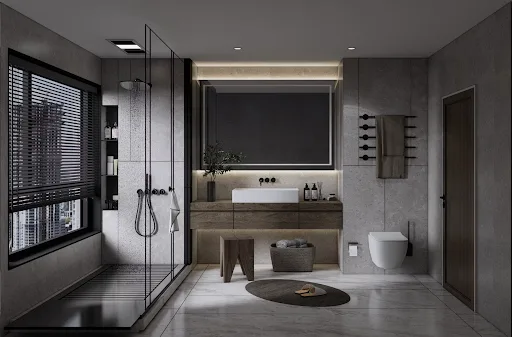
When most people imagine a bathroom renovation, they picture the big changes first: a spacious walk-in shower, floor-to-ceiling tile, a freestanding bathtub, maybe even an entirely new layout.
Those features certainly make an impression, especially in photographs. They’re often the stars of renovation shows and social media reveals, but ask someone about the best bathroom they’ve ever used, and something interesting happens.
They rarely remember the exact tile pattern or the brand of faucet. Instead, they remember how the space felt. It was easy to move around. Everything seemed to be exactly where it needed to be. There was enough room on the countertop without feeling cluttered. The lighting made getting ready feel effortless. Nothing stood out because everything simply worked. That’s the quiet beauty of thoughtful design.
The bathrooms we enjoy most aren’t always the ones with the biggest budgets or the most dramatic renovations. Instead, they’re shaped by dozens of small decisions, like the placement of the faucet or the size of the mirror, that subtly influence how comfortably you move through your daily routines. Recognizing these details helps you create a space that feels intuitive and satisfying every day.
Those seemingly minor details influence how comfortably you move through your morning, how organized your evenings feel, and whether your bathroom continues to serve you well years after the renovation is finished.
If you’re planning a bathroom update, here are the small design decisions that often make the biggest difference.
Start With a Bathroom Vanity That Fits the Way You Live
Every bathroom has a focal point. Most people assume it’s the shower or the bathtub. In reality, it’s usually the bathroom vanity.
Think about your own routine. It’s where you brush your teeth, prepare for the day, wash your hands, organize toiletries, and often spend the most time every morning and evening.
Because it’s used so frequently, the vanity quietly shapes almost every experience you have in the room. Choosing the right vanity isn’t just about looks; it can make you feel more organized and in control of your daily routine. It’s about finding one that works beautifully.
Do you have enough storage to keep everyday items tucked away? Is there enough countertop space to comfortably get ready each morning? Can two people use the space without constantly reaching over one another?
These questions matter far more than whether the cabinet color is trending this year.
A thoughtfully designed vanity creates a smoother routine without demanding attention. Drawers glide effortlessly. Storage feels intuitive. Countertops remain clear because everything has a designated place.
Companies like Ariel Bath understand the balance between aesthetics and functionality. Their bathroom vanity collections combine timeless design with practical storage solutions, proving that one well-chosen piece can influence both the appearance and everyday usability of the entire room.
Once the vanity works well, everything around it begins to work better, too.
Counter Space Is More Valuable Than Most People Realize
Countertop space is one of those things you rarely appreciate until you don’t have enough of it. Almost everyone has experienced balancing a toothbrush, skincare products, or a hairdryer on the edge of a crowded sink while trying to get ready.
It’s a small inconvenience.
Until it becomes an everyday one.
Luxury bathrooms often feel more comfortable not because they’re dramatically larger, but because they leave room for daily routines to unfold naturally.
You aren’t constantly moving things around to make space.
You aren’t searching for somewhere to set down your glasses or phone.
The countertop quietly supports everything you’re doing.
Sometimes, adding just a few extra inches of usable space creates a greater improvement than adding another decorative feature ever could.
Good design isn’t always about adding more.
Giving everyday tasks enough room can help you feel more relaxed and in control during busy mornings and evenings.
Great Storage Prevents Clutter Before It Starts
People often think organization begins after a renovation is finished.
In reality, it begins during the design process.
A bathroom without adequate storage asks you to solve the same problem every day.
Where should the extra towels go?
Where do you keep your hair tools?
What happens to the cleaning supplies?
Without thoughtful storage, those items inevitably end up on countertops, shelves, or tucked into corners where they slowly create visual clutter.
The best bathrooms prevent that from happening in the first place.
Deep drawers.
Drawer dividers.
Hidden storage.
Vertical cabinets.
These aren’t exciting features during a showroom visit.
But months later, they’re often the upgrades homeowners appreciate most.
It’s interesting how we rarely notice organized storage when it’s there.
We only notice it when it isn’t.
The Best Lighting Doesn’t Draw Attention to Itself
Lighting is one of the most underestimated design decisions in any bathroom.
Many homeowners assume brighter automatically means better.
But anyone who’s stayed in a thoughtfully designed hotel knows that’s rarely the case.
The best lighting isn’t harsh.
It isn’t overly dramatic.
It simply makes the room feel comfortable.
Soft lighting for evenings.
Balanced lighting around the mirror.
Natural light whenever possible.
Layered lighting creates flexibility throughout the day rather than forcing a single brightness level for every situation.
It’s one of those details people don’t consciously admire.
Yet it’s often the reason a bathroom feels welcoming from the moment you walk inside.
The Details You Touch Every Day Matter More Than You Think
Some design decisions become invisible simply because they’re used so often.
The cabinet handle feels comfortable every morning.
The drawer that closes quietly.
The faucet is easy to operate with wet hands.
The mirror is positioned exactly at the right height.
Individually, none of these details seems particularly significant.
Together, they shape every interaction you have with the room.
Good design isn’t only visual.
It’s tactile.
The bathrooms that leave lasting impressions aren’t always filled with expensive materials.
They’re filled with thoughtful decisions that make everyday routines feel effortless.
As we’ve discovered in previous articles, good design isn’t always about what you notice immediately.
Often, it’s about what never becomes a problem.
Scale Changes the Way a Bathroom Feels
One of the easiest mistakes in bathroom design isn’t choosing the wrong style.
It’s choosing the wrong proportions.
A mirror that’s too small can make a spacious vanity feel unfinished.
An oversized vanity can overwhelm a compact bathroom.
Tiny light fixtures often disappear against a large wall, while oversized fixtures can dominate the room unnecessarily.
Professional designers spend enormous amounts of time thinking about proportion because our eyes instinctively notice when something feels slightly off—even if we can’t explain why.
Getting the scale right allows every element to feel like it belongs.
The result isn’t a bathroom that demands attention.
It’s one that simply feels balanced.
Empty Space Is Part of the Design
When people decorate a bathroom, there’s often a temptation to fill every available surface.
Another basket.
Another candle.
Another decorative tray.
Another plant.
Yet some of the most luxurious bathrooms feel so inviting precisely because they resist that temptation.
They allow the room to breathe.
An uncluttered countertop immediately feels more spacious.
Open shelving with just a few carefully selected items looks calmer than shelves packed from end to end.
Negative space isn’t space.
It’s breathing room.
It’s what allows the features you’ve chosen to stand out rather than compete with one another.
Sometimes, what you leave out matters just as much as what you include.
Choose Materials You’ll Appreciate Years From Now
It’s easy to fall in love with bold patterns or the latest design trend.
What’s harder is imagining how you’ll feel about those choices five or ten years later.
Timeless materials have a way of quietly aging alongside your home.
Natural wood.
Quartz countertops.
Stone-inspired surfaces.
Quality hardware.
These choices rarely dominate the room.
Instead, they provide a foundation that remains appropriate even as your style evolves.
Trends can always be introduced through paint, artwork, towels, or decorative accessories.
Permanent features deserve a little more patience.
When you choose materials that prioritize durability as much as appearance, your bathroom becomes easier to enjoy—and easier to maintain—for years to come.
Design Around Your Routine, Not Someone Else’s
One of the best questions you can ask during a renovation has nothing to do with colors or finishes.
It’s simply this:
How do I actually use this room?
Where do you naturally place your phone while getting ready?
Do you need an outlet inside a drawer for an electric toothbrush?
Would a towel hook work better than a towel bar?
Should the hamper be closer to the shower?
Where do guests set their belongings?
These questions rarely appear in renovation inspiration photos.
Yet answering them often creates a bathroom that’s noticeably more enjoyable to live with.
The most successful bathrooms aren’t designed around trends.
They’re designed around people.
More specifically, the people who use them every single day.
The Best Bathrooms Rarely Demand Attention
When you visit a beautifully designed home, there’s usually one room that quietly stands out.
Not because it’s extravagant.
Not because it’s filled with expensive finishes.
But because it simply feels right.
Bathrooms are much the same.
The smallest design decisions rarely become the headline of a renovation.
No one talks about perfectly placed lighting or thoughtfully organized drawers during the reveal.
Yet those are often the details homeowners appreciate the most once everyday life returns.
They’re the decisions that continue improving your mornings long after you’ve forgotten what color the paint was.
They’re the choices that quietly support your routines instead of asking you to work around them.
And that’s what thoughtful design has always been about.
Final Thoughts: It’s the Details You’ll Remember Most
It’s easy to believe that a successful bathroom renovation depends on dramatic transformations.
In reality, it’s often the smallest decisions that shape the experience of using the room every single day.
A well-proportioned bathroom vanity, generous countertop space, intuitive storage, balanced lighting, quality materials, and carefully considered details rarely compete for attention. Instead, they work together so seamlessly that you hardly notice them at all.
That’s exactly the point.
Thoughtful design isn’t measured by how loudly it announces itself. It’s measured by how naturally it fits into your life.
When you invest in quality pieces that support both beauty and function—like a carefully selected bathroom vanity from Ariel Bath—you’re doing more than upgrading a room. You’re creating a space that quietly improves countless everyday moments, one thoughtful decision at a time.
Because in the end, the best bathrooms aren’t remembered for one spectacular feature.
They’re remembered for how effortlessly they made everyday life feel.