Why the Way America Funds and Protects Its Military Matters Far Beyond Its Borders
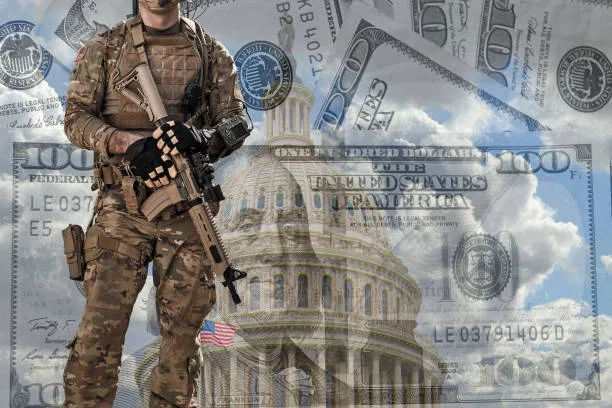
A decision made in the US Congress can affect people who have never set foot in America. Think about a country waiting for military equipment, a supplier trying to keep a factory running, or soldiers preparing for a joint exercise that has been on the calendar for months. All of them can feel the effects when American defense priorities shift. NDAA provisions help shape those priorities, which is why governments outside the United States pay attention to what lawmakers approve each year. The details may seem far removed from daily life, but they can have real consequences for people working in defense and security.
What Happens When Congress Makes a Defense Decision?
The US military has plenty to manage before it even thinks about a new weapons system. Aircraft need repairs, ships need maintenance, and service members need regular training. Technology also changes quickly, leaving military leaders to decide where limited time and money should go. If a program gets pushed back or loses support, something else may have to wait while officials work out what comes next.
Congress influences these choices through two related processes. The National Defense Authorization Act, known as the NDAA, sets defense policy and authorizes military programs. A separate appropriations process generally supplies the money needed to pay for them. That difference is easy to overlook, but authorization does not always mean the funds are ready to spend. A project may be approved and still face delays while the funding and other requirements are sorted out.
Why American Allies Keep an Eye on Washington
For a country working closely with the United States, a change in defense policy can mean more than a new headline. It could mean any of the following:
- military might be preparing to receive aircraft
- team is waiting for spare parts to arrive
- higher-ups are sending personnel abroad for specialized training
These arrangements are often planned well in advance, and they can be expensive to change at short notice. When American timelines shift, partner countries may have to adjust their own plans.
The problem is not always a canceled program. Sometimes a delivery simply arrives later than expected, leaving a military with older equipment for longer than planned. Training schedules may need to be moved, and maintenance teams may have to wait for parts that were supposed to arrive earlier. None of this necessarily means a security partnership is falling apart, but it shows how closely one country’s defense decisions can affect another’s readiness.
Read the Details, Not Just the Headlines
Defense announcements can sound straightforward. A new program gets approved, a partnership is renewed, or funding is promised for a particular purpose. The actual legislation may be more complex. It can be drought with the following:
- various conditions
- strict reporting requirements
- further reviews that still need to be completed
All these details help explain what can happen next and what remains uncertain.
For foreign governments, that distinction matters when making their own commitments. A country might begin preparing facilities or training personnel because it expects a new system to arrive. If the project later runs into funding or administrative delays, some of that preparation may need to be rescheduled. Reading the fine print will not prevent every setback, but it gives officials a better idea of what they can reasonably expect.
The Business Side of Military Spending
Defense spending also supports a network of companies that build, repair, and supply military equipment. A large contractor may have the resources to absorb a delayed order, while a smaller company could struggle if a major contract is put on hold. Workers, suppliers, and local businesses can all feel the effects when production schedules change. In some cases, companies may hesitate to invest in new equipment or hire staff until they know whether a project will go ahead.
These decisions can spill into international markets. Military programs often rely on parts and technical expertise from several countries, so a change in one place can affect production somewhere else. When the United States shifts its attention toward a particular technology, other governments may also reconsider what they need to buy or develop. The result can be more demand for certain products, tighter supply chains, and stronger competition among manufacturers.
More Money Does Not Guarantee Better Results
A bigger defense budget can give the military more options, but it cannot fix every problem, such as:
- expensive equipment may arrive late
- some cost more than expected
- others require skills that aren’t there (and need years to develop)
Even a well-funded program can struggle if the planning is poor or the people responsible for operating it are not ready. Spending matters, but how that money is managed matters just as much.
That is where congressional oversight comes in. Lawmakers can question rising costs, ask why a project has fallen behind, and examine whether agencies are using funds as intended. Reviews can be frustrating when military leaders want to move quickly, especially when they believe a threat needs an urgent response. Still, there is little value in rushing a project that is not ready or paying for equipment that fails to meet its purpose.
Final Word
The way America funds its military can affect much more than the forces it sends into the field. NDAA provisions can shape the timing of defense projects, the work of international suppliers, and the plans of countries that rely on American support. For those partners, keeping track of the details is more useful than assuming every announcement means immediate action. What matters in the end is whether the decisions made in Washington translate into equipment, support, and cooperation that actually work.