Why Tin Cans Remain a Popular Choice for Cookie and Biscuit Packaging
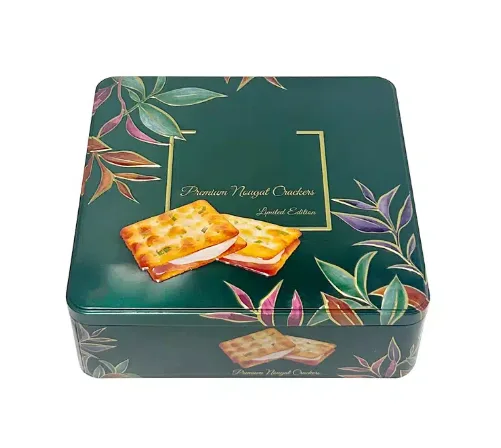
Tin cans have been a popular packaging solution for cookies and biscuits for generations. Walk into a cookie store, bakery, supermarket, or specialty food shop, and you will often find cookies presented in attractive metal containers decorated with colorful designs, seasonal artwork, brand logos, or elegant patterns. While packaging trends continue to evolve, tin remains a practical and visually appealing choice for businesses that want to protect their products while creating a memorable presentation.
Cookie and biscuit packaging has to do more than simply hold food. It needs to protect delicate products during transportation, maintain freshness, communicate a brand message, and encourage customers to choose one product over another. A well-designed tin can accomplish many of these goals at the same time.
From small gift tins to large decorative containers, metal packaging offers flexibility for bakeries, food manufacturers, retailers, and businesses selling handmade products. It can also provide a reusable alternative to many disposable packaging formats, making it attractive to consumers who appreciate packaging that can serve another purpose after the original product has been consumed.
This article explores why tin cans remain popular for cookies and biscuits, how they protect food, how businesses can use them for branding, and why attractive designs can make a significant difference in the customer experience.
The Long History of Tin Packaging
Metal containers have been used for food preservation and storage for a very long time. The development of metal packaging changed the way food could be transported and stored, particularly as manufacturing techniques improved and containers became more affordable.
Cookies and biscuits were particularly suitable for tin packaging because they can be fragile. A soft plastic bag or thin cardboard box may not always provide enough protection against crushing, pressure, or rough handling. A rigid metal container offers a stronger barrier around the product.
Over time, biscuit and cookie manufacturers began recognizing another advantage of tins: they could be decorated.
Instead of treating the container as something that was simply thrown away, manufacturers could turn it into part of the product’s presentation. Beautiful illustrations, printed patterns, company logos, holiday themes, and collectible artwork transformed ordinary cookie containers into attractive objects.
This tradition continues today.
Modern printing and manufacturing technology allow companies to create highly detailed designs on metal containers. Businesses can choose different shapes, sizes, finishes, and decorative styles depending on their products and target customers.
Why Cookies Need Protective Packaging
Cookies may look durable, but many varieties are surprisingly delicate. Thin biscuits, butter cookies, decorated sugar cookies, wafers, shortbread, and filled biscuits can break or lose their shape when exposed to pressure.
Packaging therefore plays an important role in maintaining product quality.
A good cookie container can help protect its contents from several common problems:
- Crushing during transportation
- Physical impact
- Excessive exposure to air
- Moisture
- Dust and external contamination
- Unnecessary handling
- Damage caused by stacking
A rigid container creates a protective shell around the food. When tins are properly designed and packed, they can reduce the likelihood of cookies being damaged before they reach the customer.
For manufacturers shipping products over long distances, this protection can be particularly useful.
Tin Cans and Freshness
Freshness is one of the most important qualities consumers expect from cookies and biscuits. Nobody wants to open a package and discover that the cookies have become stale, soft, or otherwise unpleasant.
Packaging can help control the environment around the product.
A properly closed tin can reduce exposure to external air and moisture compared with less protective packaging formats. However, the effectiveness of the packaging depends on the complete packaging system, including the lid, interior lining, sealing method, and any additional food-safe barrier used by the manufacturer.
The tin itself should therefore not be viewed as a complete freshness solution. Food producers still need to consider the characteristics of the cookies, storage conditions, ingredients, production processes, and shelf-life requirements.
When these factors are properly managed, a well-designed metal container can contribute to maintaining the quality of the product.
The Appeal of a Custom Tin Box
One of the biggest advantages of metal packaging is the ability to customize the container.
Businesses can create a custom tin box that reflects their brand identity, product style, or marketing campaign. Instead of using a generic package, a company can incorporate its own colors, logo, illustrations, typography, patterns, and other visual elements.
Customization can be especially valuable for businesses selling premium cookies.
Imagine two cookie products sitting next to each other on a retail shelf. One is packed in an ordinary container with basic printing, while the other is presented in a carefully designed metal tin featuring attractive artwork and a professional logo.
The second product may immediately appear more special, even before the customer knows anything about the cookies inside.
This is the power of packaging design.
Packaging as Part of the Brand
A package is often one of the first things a customer notices about a product.
Before reading the ingredients or tasting the cookies, consumers see the container. Its shape, colors, graphics, typography, and overall quality can influence their first impression.
For this reason, packaging should be considered part of a company’s brand identity rather than simply a protective layer.
A bakery with a traditional image might choose vintage illustrations and classic typography. A modern snack company could use minimalist graphics and bold colors. A luxury biscuit brand might select elegant patterns, metallic finishes, or sophisticated artwork.
The container becomes an extension of the brand.
Cookie Tin Box Designs
A cookie tin box can be produced in many different styles. The best design depends on the product, target audience, occasion, and retail environment.
Some popular design approaches include:
Traditional Designs
Traditional designs often use classic illustrations, decorative borders, and nostalgic typography. These designs can appeal to customers who associate cookies and biscuits with family traditions and childhood memories.
Modern Minimalist Designs
Minimalist packaging uses clean lines, simple typography, limited graphics, and carefully selected colors. This style can create a sophisticated appearance without making the package visually complicated.
Seasonal Designs
Seasonal tins are popular during holidays and special occasions. Christmas, Valentine’s Day, Easter, birthdays, weddings, and other celebrations provide opportunities for businesses to create limited-edition packaging.
Children’s Designs
Colorful characters, playful illustrations, and bright graphics can make cookie tins more attractive to children and families.
Premium Designs
Premium cookie brands may use detailed illustrations, embossed elements, special finishes, and sophisticated color combinations to create an upscale appearance.
Why Colorful Designs Matter
Color is one of the strongest visual elements in packaging.
When customers walk through a store, they may see hundreds of products. Bright or distinctive packaging can help a product stand out from competing products.
However, using many colors does not automatically make packaging effective.
Good packaging design requires balance. Colors should support the brand rather than distract from it. A company might choose a consistent palette that appears across its website, advertising materials, social media accounts, and packaging.
This creates visual consistency and makes the brand easier to recognize.
For example, if a bakery uses the same primary colors on its storefront, website, bags, boxes, and cookie tins, customers may gradually associate those colors with the company.
The Importance of Shape
Tin packaging does not have to be rectangular.
Manufacturers can produce containers in various shapes depending on the product and design requirements. Round, square, rectangular, oval, heart-shaped, and other formats can be used for different purposes.
Shape can also communicate a particular message.
A heart-shaped tin may be appropriate for Valentine’s Day cookies. A round tin may provide a traditional appearance. A square or rectangular container may make efficient use of shelf space.
Unusual shapes can also create a stronger visual identity.
When a package looks different from competing products, it may attract additional attention.
Different Sizes for Different Products
Cookie tins are available in different capacities.
Small tins can be suitable for individual gifts, samples, party favors, or premium products. Medium-sized tins may work well for retail cookies intended for households. Larger containers can be useful for family-size products, corporate gifts, or assorted cookie collections.
Selecting the right size is important.
A container that is too large can make the product appear less substantial or create unnecessary empty space. A container that is too small may cause cookies to become crowded or damaged.
Businesses should consider the dimensions and quantity of their cookies before selecting a container.
Tin Packaging for Gift Products
Cookies are frequently purchased as gifts, which makes packaging particularly important.
When someone buys cookies as a present, they are not only purchasing food. They are also purchasing an experience.
A beautiful tin can make the product feel more gift-worthy.
For this reason, many businesses create special cookie collections around holidays and celebrations. The cookies may remain relatively simple, while the container provides much of the decorative appeal.
After the recipient eats the cookies, the tin may also be reused for storing small household items, stationery, sewing supplies, accessories, or other objects.
This gives the package a second life.
Reusability and Consumer Value
One notable characteristic of many metal containers is that consumers can reuse them.
A cardboard cookie box typically has a limited useful life. Once it becomes damaged or contaminated, consumers generally dispose of it.
A sturdy tin, on the other hand, can potentially be kept for years if it remains in good condition.
People may use old cookie tins for:
- Tea bags
- Candy
- Buttons
- Craft supplies
- Sewing accessories
- Office supplies
- Small toys
- Photographs
- Kitchen ingredients
- Personal keepsakes
This reuse can increase the perceived value of the original product.
A customer may remember a brand because the container remained useful long after the cookies were gone.
Metal Packaging and Sustainability
Environmental considerations have become increasingly important in packaging decisions.
Consumers and businesses are paying closer attention to how packaging is produced, used, reused, and eventually discarded.
Metal is a recyclable material, and steel packaging can be recovered through recycling systems in many regions. However, sustainability should be evaluated across the complete packaging lifecycle rather than based on one material characteristic alone.
Factors such as manufacturing, transportation, coatings, printing, energy consumption, reuse, recycling infrastructure, and disposal all influence the overall environmental impact.
The potential for reuse is one reason metal tins can be attractive from a sustainability perspective. If a consumer keeps using a tin rather than immediately throwing it away, the useful life of the packaging is extended.
Businesses can also encourage reuse by designing containers that customers will want to keep.
The Marketing Value of Decorative Tins
Packaging can act as a marketing tool even after the product leaves the store.
A customer might place an attractive cookie tin on a kitchen shelf, office desk, or living-room table. Every time the container is seen, the brand remains visible.
This is different from packaging that disappears immediately into a recycling bin.
Decorative tins can therefore provide ongoing brand exposure.
Some companies intentionally create collectible series. Customers may purchase several products because each tin features different artwork.
This strategy can turn packaging into part of the collecting experience.
Limited-Edition Packaging
Limited-edition tins can create excitement around a product.
A bakery might release a special design for Christmas. Another company could introduce a commemorative tin for an anniversary. A brand could collaborate with an artist to create a unique collection.
Limited editions can encourage customers to purchase products sooner because they know the packaging will not be available forever.
The same cookies can sometimes feel more special simply because they are presented in a temporary or collectible package.
Corporate Gifts and Branded Cookie Tins
Businesses also use cookies and biscuits as corporate gifts.
A company may send cookie tins to customers, employees, business partners, or clients during holidays or special events.
Custom printing allows the business to place its logo and message directly on the container.
Compared with ordinary promotional items, a branded cookie tin can combine practicality with hospitality.
The recipient receives something enjoyable to eat while also receiving a reusable container that keeps the company visible.
Corporate packaging can include:
- Company logos
- Brand colors
- Holiday messages
- Thank-you messages
- Anniversary designs
- Contact information
- Special campaign artwork
The design should remain attractive rather than making the package look like a simple advertisement.
Packaging for Bakeries
Small bakeries can benefit from custom tin packaging just as much as large manufacturers.
A local bakery may specialize in handmade cookies and want its packaging to communicate craftsmanship and quality.
A custom tin can help create that impression.
For example, a bakery selling traditional butter cookies could use a classic design featuring an illustration of its storefront or a local landmark. A bakery specializing in modern decorated cookies could use bright graphics and contemporary typography.
The packaging can tell part of the bakery’s story.
Packaging for Online Cookie Businesses
Online food businesses face additional packaging challenges because products must survive shipping.
Cookies can experience vibration, pressure, movement, and impacts during delivery.
A sturdy tin can provide an additional layer of physical protection.
However, businesses should still use suitable internal protection to prevent cookies from moving excessively inside the container. The complete shipping package may include cushioning materials, protective inserts, outer boxes, and appropriate sealing.
A strong tin alone cannot guarantee that fragile cookies will arrive undamaged.
Improving the Customer Unboxing Experience
Online shopping has made the unboxing experience increasingly important.
Customers often share photographs and videos of attractive products on social media. Packaging therefore has the potential to become part of the customer’s online experience.
A beautifully designed cookie tin can photograph well and create an immediate impression of quality.
Companies can enhance this experience by combining the tin with:
- Branded tissue paper
- Thank-you cards
- Product information
- Recipe cards
- Personalized messages
- Decorative seals
- Carefully arranged cookies
These details can make an ordinary purchase feel more memorable.
Choosing the Right Tin Material
Not every metal container is identical.
Manufacturers can select different metal specifications, thicknesses, coatings, and finishes depending on the application.
Food packaging requires appropriate materials and coatings that are suitable for the intended use. Businesses should work with reputable packaging suppliers and confirm that the selected container meets applicable food-contact requirements.
The correct material choice can influence durability, appearance, weight, and cost.
Food Safety Considerations
Food packaging must be designed with safety in mind.
Cookie manufacturers should make sure that the tin, internal coating, printing system, and any liner that comes into contact with food are appropriate for food packaging.
Businesses should also consider:
- Ingredient sensitivity
- Moisture control
- Shelf-life requirements
- Storage temperature
- Food-contact regulations
- Cleaning and manufacturing standards
- Sealing requirements
Packaging decisions should be made in cooperation with qualified suppliers and, where necessary, food safety professionals.
The Role of the Lid
The lid is an important part of a cookie tin.
It needs to fit securely while still being practical for consumers to open and close.
Different products may use different lid designs. Some tins have simple friction-fit lids, while others use more specialized closures.
A good lid should provide convenience without making the container difficult to use.
For reusable tins, this becomes even more important because consumers may continue opening and closing the container after the original cookies have been eaten.
Interior Organization
The interior of a cookie tin can be designed in different ways.
Cookies may be arranged in layers, separated with food-safe paper, placed in individual compartments, or packed inside an additional inner wrapper.
The best approach depends on the product.
Fragile decorated cookies may need more separation than sturdy biscuits. Assorted products may require dividers to prevent flavors and textures from mixing.
Good internal organization can improve both protection and presentation.
Making Cookies Look More Premium
Packaging influences perceived product value.
Even a simple cookie can appear more premium when it is carefully arranged inside an attractive container.
Imagine opening a tin and finding several rows of neatly arranged biscuits, each separated and protected. The visual presentation immediately communicates care.
This is especially useful for products positioned in the premium or gift market.
Businesses should therefore consider the appearance of the cookies inside the tin, not only the artwork on the outside.
The Connection Between Packaging and Consumer Psychology
Consumers make many purchasing decisions quickly.
In a busy retail environment, they may not have time to research every product. Instead, they rely on visual signals.
Packaging can communicate:
- Quality
- Tradition
- Luxury
- Fun
- Freshness
- Authenticity
- Convenience
- Value
A well-designed tin can create an emotional response before the product is tasted.
This does not mean attractive packaging can replace product quality. Cookies still need to taste good. But strong packaging can encourage a customer to make the first purchase.
Nostalgia and Tin Containers
There is also an emotional quality associated with traditional cookie tins.
Many people remember decorative tins from childhood or family homes. Some tins were kept for years and used to store other household objects.
This association can create feelings of nostalgia.
Brands can use this emotional connection through vintage-style artwork, traditional illustrations, retro typography, or classic color combinations.
Nostalgic packaging can make a product feel familiar even when the customer has never purchased that specific brand before.
Modern Technology and Tin Printing
Modern manufacturing technology has expanded the design possibilities available to businesses.
High-quality printing can reproduce detailed images, gradients, textures, logos, and illustrations.
Companies can also experiment with special finishes to create different visual and tactile effects.
Possible design features include:
- Matte finishes
- Gloss finishes
- Embossed details
- Debossed details
- Metallic effects
- Textured surfaces
- High-resolution illustrations
These options allow brands to create packaging that feels unique.
Customization for Different Markets
Different customers respond to different packaging styles.
A company selling cookies to children may want playful graphics. A luxury food brand may prefer understated elegance. A traditional bakery may choose heritage-inspired artwork.
Customization allows businesses to adapt their packaging to the market they are targeting.
Even regional preferences can influence design.
A company selling the same basic cookies in different markets might create different packaging themes to appeal to local customers.
The Importance of Typography
Typography is often overlooked in packaging design.
The font used for a brand name can influence how customers perceive the product.
Elegant serif fonts may communicate tradition and sophistication. Bold sans-serif fonts can create a modern impression. Handwritten styles may suggest handmade craftsmanship.
Typography should also remain readable.
A beautiful package becomes less effective if customers cannot easily identify the brand or understand the product information.
Creating a Strong Brand Logo
The logo is one of the most recognizable elements of packaging.
A well-designed logo should remain visible without overwhelming the rest of the artwork.
On a cookie tin, the logo can be placed prominently on the lid, sides, or both.
Businesses should consider how the logo will appear at different sizes. A design that looks excellent on a large tin may need adjustment for smaller containers.
Consistency across packaging helps customers recognize the brand quickly.
Tin Packaging for Special Events
Cookie tins are suitable for many events.
Businesses and individuals can use them for:
- Weddings
- Birthday celebrations
- Baby showers
- Corporate events
- Anniversaries
- Conferences
- Festivals
- Holiday parties
- Business launches
For events, smaller tins can serve as favors or gifts.
Custom artwork can include the event date, names, message, or theme.
This turns ordinary cookies into personalized gifts.
Wedding Cookie Tins
Wedding favors are a particularly interesting use of decorative tins.
Couples can provide guests with cookies packaged in tins featuring their names and wedding date.
The container becomes a keepsake after the event.
This is a good example of packaging adding value beyond the product itself. The cookies may be eaten within days, but the tin can remain in the guest’s home for much longer.
Seasonal Cookie Collections
Seasonal cookie collections can benefit greatly from decorative packaging.
Christmas is perhaps one of the strongest opportunities, but companies can also create designs for other occasions.
For example:
- Valentine’s Day
- Easter
- Halloween
- New Year
- Mother’s Day
- Father’s Day
- National celebrations
Seasonal tins can become annual traditions.
A company might release a new design every year while keeping the same overall brand identity.
Collectible Packaging
Collectibility can be a powerful marketing strategy.
A company could create a series of tins featuring different illustrations. Customers who enjoy the artwork may purchase multiple varieties.
Collectible packaging can also encourage repeat purchases.
Instead of buying a product once, customers may return to find the newest design.
However, collectible strategies work best when the underlying product remains high quality.
Balancing Design and Cost
Although decorative packaging can provide significant benefits, businesses still need to manage costs.
Custom printing, special shapes, embossing, unusual finishes, and smaller production quantities may increase the cost per unit.
Companies should therefore establish a packaging budget before finalizing the design.
Important cost considerations include:
- Tin size
- Material thickness
- Printing method
- Quantity ordered
- Custom tooling
- Finishing options
- Shipping
- Inserts
- Internal packaging
- Storage
Large production runs may reduce unit costs, but smaller businesses should carefully consider inventory requirements before ordering large quantities.
Ordering Custom Packaging
When ordering customized tins, businesses should provide accurate specifications.
These may include:
- Product dimensions
- Desired tin shape
- Capacity
- Artwork files
- Logo specifications
- Printing requirements
- Interior requirements
- Quantity
- Delivery location
- Intended use
A sample or prototype can be valuable before full production begins.
Testing the sample allows businesses to check the appearance, dimensions, lid fit, cookie arrangement, and overall customer experience.
Testing Before Launch
Packaging should be tested before being used for a large product launch.
A business can fill the container with actual cookies and evaluate how the product behaves.
Testing can help answer questions such as:
Does the lid close properly?
Do the cookies move around too much?
Can customers open the container easily?
Does the artwork look correct?
Is there enough space?
Does the package survive normal shipping?
Does the container remain attractive after handling?
Testing reduces the risk of discovering packaging problems after thousands of units have already been produced.
Transportation and Storage
Packaging must also work within the company’s logistics system.
Tins may be stacked during storage and transportation. Their dimensions should therefore be compatible with cartons, pallets, shelves, and shipping boxes.
Businesses should also consider warehouse efficiency.
A beautiful package that is difficult to store can create unnecessary operational costs.
The ideal packaging solution balances appearance, protection, practicality, and logistics.
Retail Shelf Presentation
In physical stores, shelf visibility matters.
A cookie tin should communicate its product category quickly. Customers should be able to identify that it contains cookies or biscuits without having to inspect every side.
The lid can play a particularly important role because products may be displayed from above.
Strong visual branding can help customers recognize the product from a distance.
E-Commerce Product Photography
For online retailers, packaging photography is equally important.
A high-quality image of a decorated tin can make the product more appealing on an e-commerce website.
Businesses should photograph the packaging from multiple angles and show the cookies inside when appropriate.
Useful images can include:
- Front view
- Lid view
- Side view
- Open tin
- Cookie arrangement
- Close-up of artwork
- Size comparison
Good photography helps customers understand what they are purchasing.
Building Customer Trust
Professional packaging can also increase consumer confidence.
A clean, well-designed container can make a business appear more established.
This can be particularly valuable for smaller brands competing against larger companies.
However, packaging should always provide accurate product information. Customers need access to relevant details such as ingredients, allergens, net quantity, storage instructions, manufacturer information, and expiration or best-before information where required.
A beautiful package must still meet labeling requirements.
Using Tin Packaging for Different Cookie Types
Different cookies may require different packaging approaches.
Shortbread
Shortbread is often associated with premium and traditional packaging. Decorative tins can complement this positioning.
Butter Cookies
Butter cookies can be presented in elegant tins, particularly for gifting.
Chocolate Chip Cookies
Chocolate chip cookies may benefit from warm, playful, or modern designs.
Sugar Cookies
Decorated sugar cookies can be paired with colorful tins that match their artwork.
Assorted Biscuits
Assorted products may use compartments or separate wrappers to maintain organization.
Wafer Cookies
Fragile wafer products may require additional internal protection to reduce breakage.
The packaging should always reflect the physical characteristics of the product.
Using Kaisi Tin Boxes for Packaging
Businesses exploring different metal packaging solutions may also come across Kaisi Tin Boxes when researching custom tin packaging options.
The broader principle remains the same: the right tin should combine appropriate dimensions, reliable construction, suitable food-contact materials, practical closure, and an attractive design.
When evaluating a supplier, businesses should consider more than appearance. Manufacturing quality, customization capabilities, communication, production consistency, lead times, and packaging specifications all matter.
A reliable supplier can help a business move from an initial design concept to a finished container that works effectively for its cookies or biscuits.
How to Select the Right Packaging Supplier
Choosing a packaging supplier is an important business decision.
Companies should compare suppliers based on several factors rather than choosing solely on price.
Manufacturing Experience
A supplier with experience in metal packaging may better understand the technical requirements involved in producing food tins.
Customization Options
Businesses should ask about available shapes, sizes, finishes, printing methods, and other customization options.
Quality Control
Consistent quality is essential when ordering packaging in large quantities.
Production Capacity
The supplier should be capable of producing the required quantity within the desired timeframe.
Communication
Clear communication can prevent mistakes involving artwork, dimensions, materials, and delivery schedules.
Samples
A supplier that can provide samples allows the buyer to evaluate quality before committing to a larger order.
Designing an Effective Cookie Tin
A successful design should begin with the brand rather than decoration alone.
Businesses should first identify what they want the package to communicate.
Is the product traditional?
Is it premium?
Is it playful?
Is it handmade?
Is it intended as a gift?
Is it aimed at families?
The answers can guide the visual direction.
After establishing the concept, designers can develop the logo placement, typography, colors, illustrations, and supporting information.
Avoiding Overly Complicated Designs
More decoration does not always mean better packaging.
An overly complicated design can make the tin look crowded.
The most effective designs usually have a clear visual hierarchy.
Customers should immediately understand:
- What the product is
- What brand made it
- Why it is special
Additional information can be placed around these core elements.
Making the Lid Stand Out
The lid is often the most visible part of a cookie tin.
For retail products, the lid may be viewed while the container is stacked on a shelf.
Businesses should therefore pay special attention to lid artwork.
The brand name, product name, key visual, and major design elements can be positioned there.
A strong lid design can make the entire container more recognizable.
Creating a Memorable Unboxing Experience
For premium products, opening the tin should feel satisfying.
The customer may first see the artwork, then open the lid, and finally discover neatly arranged cookies inside.
This sequence creates a small experience around the product.
Businesses can improve the experience by paying attention to every detail, from the lid fit to the arrangement of the cookies.
Why Packaging Can Influence Repeat Purchases
A positive packaging experience can contribute to customer loyalty.
If customers enjoy the product and appreciate the packaging, they may remember the brand and choose it again.
A reusable tin can reinforce this relationship because the customer continues to see the brand after the food is gone.
This is one reason decorative packaging can have value beyond the initial sale.
Tin Cans as a Combination of Function and Style
The strongest advantage of tin packaging is that it can combine practical and visual benefits.
The container can protect the product while also serving as a branding tool.
It can help create a premium presentation while offering opportunities for reuse.
It can support retail visibility while also making a suitable gift package.
Few packaging formats combine all these functions in such a straightforward way.
The Future of Cookie Packaging
Packaging will continue to evolve as consumer expectations change.
Businesses are likely to place increasing emphasis on sustainability, personalization, convenience, and visual differentiation.
Digital printing and modern manufacturing may also make smaller customized production runs more accessible.
This could allow smaller bakeries and independent food brands to create packaging that previously would have been practical only for large manufacturers.
At the same time, consumers will continue to value packaging that protects products and provides a positive experience.
Tin containers are well positioned to remain part of this future because they can adapt to both traditional and modern design trends.
Conclusion
Tin cans remain a popular choice for cookies and biscuits because they offer a useful combination of protection, presentation, branding, and potential reuse.
A carefully designed tin can help protect fragile cookies during storage and transportation while also creating a strong first impression. Customization allows businesses to use colors, illustrations, logos, shapes, and finishes that reflect their identity.
For bakeries and food manufacturers, a custom tin box can turn ordinary packaging into an important part of the customer experience. A well-designed cookie tin box can make products more attractive on retail shelves, more memorable as gifts, and more appealing in online product photography.
The value of tin packaging extends beyond appearance. A durable container can potentially be reused by consumers long after the cookies have been eaten. Seasonal, collectible, and personalized designs can further increase the emotional and practical value of the package.
Ultimately, successful cookie packaging is about finding the right balance between function and design. The container needs to protect the food, satisfy applicable food-safety and labeling requirements, fit the company’s logistics, and communicate the right brand message.
When these elements come together, a simple tin can become much more than a container. It becomes part of the product itself something that protects the cookies, attracts attention, communicates quality, supports branding, and may remain useful in the customer’s home long after the final biscuit has been enjoyed.