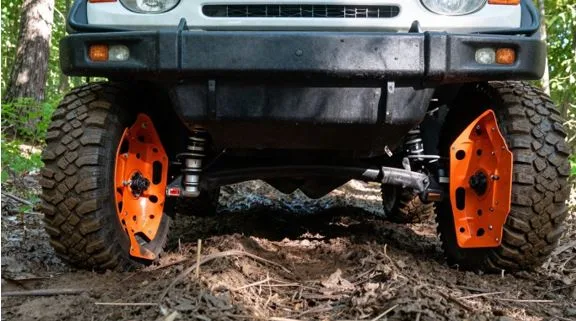
Why Traction Boards Are a Must-Have for Off-Road and Overlanding Trips
What Are Traction Boards?
Traction boards are simple yet incredibly effective tools for anyone venturing off the pavement. Essentially, they are rugged mats designed to provide grip when a vehicle’s tires lose traction. Made from durable materials like reinforced nylon, these boards feature aggressive patterns that dig into soft surfaces like mud, sand, or snow. They act as a bridge, giving your tires something solid to bite into when the ground beneath you offers nothing but slippage. When you find yourself stuck, these boards are placed under the spinning tires to help the vehicle regain forward momentum.
Essential For Off-Road Adventures
For off-road enthusiasts and overlanders, traction boards are not just a convenience; they are a necessity. Getting stuck is a common occurrence when exploring remote areas, and being able to self-recover can make the difference between a minor inconvenience and a major problem. Having a reliable set of traction boards means you can often get yourself out of a jam without needing assistance from others. This independence is a core part of the off-roading experience, and traction boards are a key component in achieving it. They are a practical solution for a common off-road challenge.
Beyond Basic Recovery
While the primary function of traction boards is to get a vehicle unstuck, their utility extends further. They represent a proactive approach to vehicle recovery, minimizing the risk of damage that can occur from excessive tire spinning or prolonged attempts to free a bogged-down vehicle. Furthermore, understanding how to use traction boards effectively is a skill that builds confidence. It allows drivers to tackle more challenging terrain knowing they have a reliable method for self-extraction. This preparedness is what separates casual drivers from seasoned adventurers, and traction boards are a big part of that preparedness.
Key Features And Benefits Of Traction Boards
Superior Build Quality And Durability
Traction boards are built tough. They need to be, considering the abuse they can take. Most are made from strong, reinforced plastics, often nylon, which can handle heavy vehicle weights and rough terrain. This means they won’t crack or break easily when you need them most. Durability is a major selling point for any serious off-roader.
Look for boards that are UV resistant. Prolonged sun exposure can degrade some plastics over time, making them brittle. Keeping your traction boards clean and stored out of direct sunlight when not in use will also help them last longer. A well-built set of traction boards is an investment that pays off.
Efficient Traction Design For All Terrains
The real magic of traction boards lies in their design. They feature aggressive patterns, often with raised lugs or teeth, that dig into your tires. This creates a solid grip, even on slippery surfaces like mud, sand, or snow. This efficient traction design is what gets you moving when you’re stuck.
When you’re in a bind, the right traction boards can make all the difference. They provide a stable platform for your tires to grip, preventing them from spinning uselessly. This is especially helpful in situations where a simple spin of the tires won’t get you out.
Lightweight And User-Friendly Operation
Despite their rugged construction, most traction boards are surprisingly lightweight. This makes them easy to carry and maneuver, even when you’re already dealing with a stuck vehicle. Many come with built-in handles, making them even simpler to position.
Their user-friendly nature means anyone can deploy them. You don’t need to be a recovery expert to use traction boards effectively. Getting them under your tires is usually straightforward, even in challenging conditions.
The simplicity of using traction boards is a huge benefit. You can get them in place quickly, which is important when you’re trying to get unstuck before the situation gets worse.
Choosing The Right Traction Boards For Your Needs
Material Matters: Durability and UV Resistance
When looking at traction boards, the material they’re made from is a big deal. Most are built from tough, reinforced nylon, which is good because these things take a beating. You want something that won’t crack or break when you really need it. Also, think about UV resistance. If your boards are going to hang out on the roof rack or in the sun a lot, plastic can get brittle over time. Picking boards with good UV protection means they’ll last longer, especially if you’re out in the elements frequently. This is key for any serious off-roader.
It’s not just about the main material, though. Look at the little details, like the nubs or aggressive tread patterns. These are what actually dig into the ground and give your tires grip. Some boards have metal studs, which offer a really strong bite, but you have to be careful they don’t damage your tires. The best traction boards will balance toughness with a design that works with your tires, not against them. Always check what the manufacturer says about material and care.
The right material means your traction boards won’t fail you when you’re miles from anywhere.
Considering Board Size and Weight
Size and weight are pretty straightforward but important. You need traction boards that fit your vehicle and your recovery style. If you’re just doing light trails, a smaller, lighter set might be fine. But for serious off-roading or overlanding, you’ll probably want longer, wider boards. These give your tires more surface area to grab onto, which is a big help in deep sand or mud.
Weight matters too, especially if you’re the one lugging them around. Boards are often sold in pairs, and each one can weigh anywhere from 5 to 10 pounds or more. If you plan on carrying four boards (which is a good idea for tougher situations), that weight adds up fast. Think about how you’ll handle them – do they have good handles? Can you easily maneuver them into place? It’s a balance between having enough board to get the job done and not being overloaded.
Here’s a quick look at how some common boards stack up:
| Board Type | Approx. Weight per Board | Approx. Length | Good For | |
| Standard | 7-8 lbs | 40-45 inches | General off-roading, mud, sand, snow | |
| Compact | 5-6 lbs | 30-35 inches | Lighter use, occasional recovery | |
| Heavy Duty | 9+ lbs | 45+ inches | Extreme conditions, larger vehicles |
Evaluating Additional Features and Warranties
Beyond the basic board, check out what extras come with them. Some traction boards have built-in shovel ends, which can be handy for clearing debris. Others might come with leashes or straps to keep them from getting lost if they get buried or flung away. Mounting hardware is another common addition, making it easier to store them on your roof rack or bumper.
Don’t forget about warranties. A good warranty can be a lifesaver if your boards fail prematurely. Some companies offer several years of coverage, while others might have limited warranties. Always read the fine print to know what’s covered and what isn’t. Using the boards correctly is usually a requirement for warranty claims, so proper technique is important for more than just safety.
When you’re picking out your traction boards, think about these extra bits. They might seem small, but they can make a big difference in how useful and long-lasting your investment is. A well-equipped set of traction boards can save you a lot of hassle.
Effective Deployment And Usage Techniques
Proper Placement for Maximum Grip
Getting your vehicle unstuck starts with placing the traction boards correctly. The goal is to create a solid bridge for your tires to grip onto. Dig out some of the loose material in front of the stuck tire, creating a small channel. Then, slide the boards under the tire, ensuring they extend far enough to provide a good run-up. The boards should be angled slightly upwards towards the direction of travel. This helps the tire climb onto the board rather than pushing it further into the muck.
Consider the terrain. For mud, you want to dig down to firmer ground if possible. For sand, ensure the boards are buried enough to not just get spit out. If you’re in snow, pack it down a bit before placing the boards. Proper placement of traction boards is key to a successful recovery, turning a potential hours-long ordeal into a quick fix.
Gentle Acceleration for Safe Extraction
Once the traction boards are in place, it’s time to apply power. The key here is gentle acceleration. Slamming on the gas will likely just spin your tires, dig you in deeper, or even damage your drivetrain. Ease into the throttle, allowing the tires to find purchase on the boards.
Listen to your vehicle and feel how it’s responding. If the tires are spinning, ease off the gas slightly and try again. You’re looking for a smooth, steady pull. Avoid jerky movements. This controlled approach not only helps extract your vehicle safely but also prevents damage to the traction boards themselves and your tires. Remember, patience is a virtue when you’re stuck.
Retrieving Boards After Use
After your vehicle is free, you’ll need to get your traction boards back. Don’t just drive over them, as this can damage them or cause them to fly out unpredictably. Ideally, you can stop the vehicle once you’re on solid ground and retrieve them. If they’re deeply embedded, a shovel might be needed.
Some people attach a rope or cord to their traction boards for easier retrieval, especially if they’re worried about them getting buried. Be mindful of where the boards might go once they’re free; they can sometimes shoot out with surprising force. Always check your tires for any debris or damage after you’ve retrieved the boards and continued your journey. Proper retrieval ensures your traction boards are ready for the next time you need them.
Maximizing Your Investment In Traction Boards
Storage Solutions For Your Vehicle
Traction boards, while lightweight for their size, can take up valuable space. Smart storage is key to keeping them accessible and out of the way. Many off-roaders opt for external mounting solutions. This keeps the interior clear and makes the boards readily available when needed. Look for mounting kits that secure the boards firmly, preventing rattling on rough terrain. This ensures your traction boards are ready for action.
If interior storage is preferred, consider dedicated cargo management systems. Some vehicles have built-in racks or compartments that can accommodate them. Alternatively, a sturdy cargo bag can help contain them, preventing dirt and debris from spreading. Proper storage prevents damage and ensures quick deployment. Keeping your traction boards clean and dry when not in use also contributes to their longevity.
Think about how often you’ll need to access them. If you anticipate frequent use, external mounting might be the better choice. For less frequent use, a well-organized interior solution can work. The goal is to have your traction boards accessible without sacrificing comfort or other cargo space.
Maintenance For Longevity
Regular maintenance is vital for ensuring your traction boards perform when you need them most. After each use, it’s important to clean off any mud, sand, or snow. This prevents the material from degrading and ensures the aggressive tread design remains effective. A simple rinse with water and a brush usually does the trick.
Inspect the boards for any signs of wear or damage. Look for cracks, deep gouges, or missing lugs. While traction boards are built tough, extreme use can cause wear. Addressing minor damage early can prevent bigger issues down the line. Some manufacturers offer replacement lugs, which can extend the life of your boards significantly.
Store your traction boards out of direct sunlight when not in use. Prolonged UV exposure can degrade certain plastics over time, making them brittle. Keeping them clean, dry, and protected will maximize their lifespan and ensure they are a reliable part of your recovery gear for years to come.
Complementary Recovery Gear
Traction boards are a fantastic tool, but they work best as part of a larger recovery system. Think of them as a primary solution for common situations, but have backups. A good quality shovel is almost always a necessary companion. It helps clear debris around tires and can assist in positioning the boards.
Recovery straps or snatch blocks can be useful for situations where a bit more pulling power is needed. These tools, combined with traction boards, offer a more robust recovery capability. It’s also wise to carry a portable air compressor and tire deflator. Airing down tires can significantly improve traction, sometimes even negating the need for boards.
Consider your typical off-road environment. If you frequently encounter deep mud or sand, having a winch might be a worthwhile investment. However, for most common scenarios, a well-rounded kit including traction boards, a shovel, and tire repair tools provides a high degree of self-sufficiency. Having the right combination of gear builds confidence on the trail.
The Role Of Traction Boards In Vehicle Independence
Empowering Solo Explorers
Traction boards are a game-changer for anyone venturing out alone. They offer a reliable way to get yourself unstuck without needing to wait for help. This means you can push your boundaries a bit further, knowing you have a tool that can help you regain control. It’s about having that self-reliance when you’re miles from anywhere.
These boards give you the confidence to tackle challenging terrain solo. They are a practical solution for those who prefer to explore independently. Having traction boards means you’re not solely dependent on others to get you out of a tricky spot. It’s a simple yet effective piece of gear that significantly boosts your ability to handle unexpected situations.
Reducing Reliance On External Assistance
Calling for help can be time-consuming and sometimes impossible in remote areas. Traction boards drastically cut down this need. They provide immediate traction, allowing you to extract your vehicle yourself. This is especially important when cell service is spotty or non-existent.
Think about it: instead of waiting hours for a tow or a friend, you can deploy your traction boards and be back on your way in minutes. This independence is a huge part of the off-road and overlanding experience. It’s about being prepared and capable.
Peace Of Mind On Remote Journeys
Knowing you have traction boards packed means a lot when you’re deep in the backcountry. It’s a mental comfort that can’t be overstated. You can relax and enjoy the journey, rather than constantly worrying about getting stuck.
This peace of mind is invaluable. It allows for a more immersive and less stressful adventure. The ability to handle minor setbacks on your own contributes to a greater sense of accomplishment and freedom on your travels. Traction boards are a key component of this self-sufficient approach.
Final Thoughts
So, when you’re out there, whether it’s deep mud, loose sand, or even some slick snow, getting stuck can really put a damper on things. Traction boards, like the ones we’ve talked about, are pretty straightforward tools that can make a huge difference. They’re not super complicated, and they give you a way to get yourself out of a bind without needing to call for help. For anyone heading off the pavement, having a set of these stashed away is just smart planning. It means you can keep exploring and not worry quite so much about those unexpected moments when the trail gets a bit too tricky.