Why Travelers Remember Meals More Than Itineraries
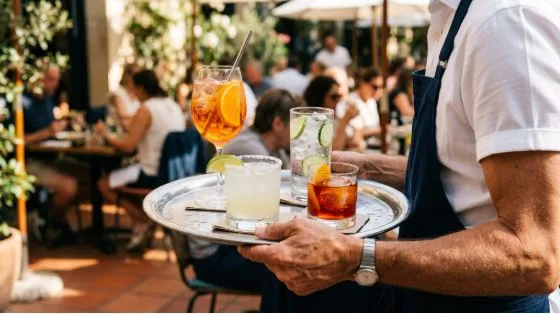
Most people plan a vacation around attractions, beaches, museums, or outdoor adventures. They map out where to go and what to see, often filling every hour of the day. Yet when the trip is over, the memories that last the longest are often much simpler. People remember the café where they lingered over breakfast, the family restaurant they discovered by chance, or the meal that allowed them to slow down and enjoy where they were.
Kirk and Paula Coult, hospitality entrepreneurs and co-owners of Kiahuna Sunrise Cafe, have seen firsthand how meaningful dining experiences become part of a traveler’s story. They believe the meals people remember most are rarely the most elaborate. Instead, they are the ones that capture the feeling of a destination and give guests a genuine connection to the place they are visiting.
That idea reflects how people travel today. According to Expedia Group’s 2025 Traveler Value Index, travelers increasingly prioritize authentic local food experiences when choosing destinations. Dining has become more than a necessity. It has become an important part of the journey itself.
A Meal Is More Than Something To Eat
Food has a unique ability to connect people to a place. Every destination has its own flavors, traditions, and way of bringing people together around the table. Whether it is a neighborhood café, a waterfront restaurant, or a family-owned bakery, these experiences often become the moments travelers remember most.
Unlike a sightseeing stop that lasts only a few minutes, a meal permits people to pause. It creates time to talk, relax, and take in their surroundings without feeling rushed.
Those slower moments often become the stories people tell long after they return home.
The Experience Starts Before The First Bite
Great restaurants understand that memorable dining begins well before the food reaches the table. The atmosphere, the welcome guests receive, and the feeling of the space all influence how people remember the experience.
Natural surroundings, historic buildings, thoughtful design, and attentive service help create an emotional connection that goes beyond the menu. When those details work together, guests leave remembering how they felt just as much as what they ordered.
“People don’t always remember every attraction they visited, but they often remember the place where they shared a great meal,” say Kirk and Paula Coult, co-owners of Kiahuna Sunrise Cafe. “The setting, the conversation, and the pace of the experience all become part of that memory.”
Authenticity Has Become A Bigger Part Of Travel
Many travelers are moving away from experiences that feel identical from one destination to the next. Instead, they are looking for places that reflect the character of the community they are visiting.
Independent restaurants often play an important role in that experience because they showcase local ingredients, regional traditions, and the personality of the people behind them. Visitors want to feel like they discovered something unique rather than simply stopping somewhere convenient.
That does not require an elaborate concept. Often, authenticity comes from consistency, genuine hospitality, and a clear sense of place.
The Small Details Leave The Biggest Impression
While every guest has different preferences, memorable dining experiences usually share a few common characteristics.
- A welcoming atmosphere that encourages people to slow down.
- Friendly, attentive service that feels genuine.
- Fresh, thoughtfully prepared food.
- A setting that reflects the local community.
- An experience that feels personal instead of routine.
Individually, these details may seem small. Together, they create the kind of moments people remember years later.
Why Morning Meals Often Stand Out
Breakfast has a different rhythm than any other meal of the day. People are usually less distracted, there is less urgency, and the day still feels full of possibility. Whether someone is heading to the beach, setting out on a hike, or simply enjoying a slower vacation schedule, breakfast often becomes the first shared experience of the day.
That slower pace gives guests more time to appreciate their surroundings. Instead of rushing through a meal, they notice the view, enjoy a conversation, and settle into the atmosphere. Those moments can leave a lasting impression because they become associated with the excitement and anticipation of everything the day has yet to bring.
According to Kirk and Paula Coult, breakfast is one of the few meals where guests naturally slow down and become present in the moment.
“People often begin the day without a schedule pressing them,” they say. “When guests can enjoy fresh food in a welcoming setting, breakfast becomes more than just the first meal of the day. It becomes part of the vacation itself, and that is often what they remember years later.”
Restaurants Help Shape How People Remember A Destination
Every positive dining experience becomes part of a destination’s reputation. Visitors share recommendations with friends, leave online reviews, post photos on social media, and often return to restaurants that made them feel welcome.
For hospitality businesses, that means every breakfast, lunch, or cup of coffee contributes to something larger than a single visit. It helps define how travelers remember an entire community.
Kirk and Paula Coult believe the restaurants that leave the biggest impression are not necessarily the ones with the most elaborate menus. They are the ones that create an atmosphere where people feel comfortable enough to slow down, connect, and enjoy the experience.
As more people seek meaningful experiences instead of simply checking attractions off a list, restaurants have an opportunity to become one of the most memorable parts of any trip. Long after the itinerary has been forgotten, the meal shared in a welcoming place is often the memory that stays with travelers the longest.