Why Turks and Caicos Is a Top Destination for Caribbean Snorkeling
A lot of travelers come to Turks and Caicos and spend most of their time on the beach. That makes sense. The sand is white, the water is that particular shade of blue-green that photographs well and looks even better in person, and the whole place is easy to just sit in and enjoy.
But the water itself is worth getting into. Snorkeling in Turks and Caicos does not require a certification, expensive gear, or any prior experience. You put on a mask, float on the surface, and look down. The reef is right there, and so is everything living in it.
This article covers why the islands work so well for snorkeling, what you can realistically expect to see, and a few things worth knowing before you plan your day on the water.
1. The Water Clarity Around Turks and Caicos Makes a Real Difference
The first thing most people notice when they get in is how far they can see. Good visibility changes the snorkeling experience more than anything else. Turks and Caicos boat charter operators, day-trippers, and even casual beach snorkelers all tend to mention it as the detail that surprised them most. You are not squinting through murky water trying to figure out what is three feet in front of you. Coral formations, reef fish, sandy channels between patch reefs, all of it comes through clearly. That alone makes a slower, more relaxed pace in the water actually worthwhile.
The Turks and Caicos Barrier Reef contributes to this. It runs along a significant stretch of coastline and takes the force off open ocean swells in certain areas, which keeps conditions more manageable at popular snorkeling spots. Wind and weather still matter. A site that is calm in the morning can get choppy by midday. Checking local conditions before you head out is a straightforward habit that pays off.
2. What the Barrier Reef Actually Does for Snorkelers
A barrier reef is a reef system that runs roughly parallel to the coastline and helps create a sheltered environment between the reef and shore. It acts as a natural buffer against wave energy, and it creates an underwater habitat layered enough to support an enormous range of sea life.
The Turks and Caicos Barrier Reef is one of the more significant reef systems in the Caribbean. Around Providenciales, snorkelers can reach near-shore formations directly from the beach, or access offshore sites by boat. The shallower spots closer to shore are where most people spend their time, and they are active enough on their own to make the trip worthwhile.
Reef structure is what makes things interesting. Rocky outcroppings, coral heads, and the sandy channels that run between formations all attract different species. The gaps and edges of the reef tend to hold more life than the open water above it. Moving slowly and looking into those spaces produces better sightings than trying to cover a lot of ground.
3. Marine Life You Might Come Across on the Reef
The water here is not just clear. It is genuinely busy in the way a healthy reef tends to be.
Sea turtles are probably what most visitors are hoping to see, and they do appear in these waters with some regularity. Stingrays are a common sighting too, often resting on sandy patches between reef formations where they blend almost completely into the bottom. Eagle rays behave differently, moving through open water in long, unhurried glides. Reef fish are everywhere once you start paying attention: parrotfish, angelfish, butterflyfish, small wrasses, and many others that spend their lives in and around the coral.
The islands’ tourism information lists sea turtles, eagle rays, starfish, stingrays, and numerous reef fish as commonly seen around popular snorkeling areas. The coral formations themselves are part of the experience. Different species grow in different shapes and textures, and the reef changes noticeably as you move through it.
One thing worth keeping in mind: no one can guarantee a specific sighting. Animals move on their own schedule. Sea turtles are present in these waters, but that does not mean one will appear on a given day. Experienced snorkelers tend to say that the best encounters happen when you are not expecting anything in particular.
4. Not Every Snorkeling Site Requires Advanced Swimming Skills
Some snorkeling destinations assume you are already comfortable in open water. Turks and Caicos is not really like that. There is enough variation in terms of site depth and distance from shore that people at very different ability levels can find somewhere suitable.
Several beach-accessible spots around Providenciales have shallow, calm water that works well for first-time snorkelers. If you can stand up and dip your face in, you can snorkel. Starting somewhere with a sandy bottom you can actually touch removes a lot of the anxiety that open water can create for people who are not confident swimmers yet.
More experienced swimmers who want a deeper or more varied experience can reach offshore reef sites by boat. Those spots tend to have larger reef formations, deeper water, and a better shot at seeing bigger marine life like rays or turtles. The tradeoff is that you need to get there, and conditions farther from shore are less predictable.
Being realistic about your own comfort level before choosing a site saves a lot of frustration. Local guidance is also genuinely useful here, because conditions on a specific day matter more than any general description of a site.
5. Getting to Offshore Reefs With a Private Charter
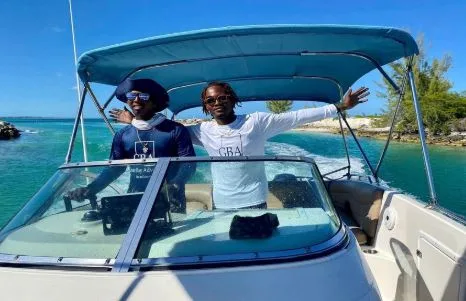
Snorkeling from the beach is easy and convenient. But it does put a ceiling on where you can go. Some of the more interesting reef areas around Providenciales sit too far offshore to reach by swimming, so a private boat charter Turks and Caicos can be a practical way to access them.
What changes when you go farther out is the scale of everything. The reef formations are larger. The water is deeper and often clearer. The range of marine life expands because species that prefer open water or deeper reef structures show up more regularly offshore. You are also likely spending the day with a guide who knows which sites are worth visiting and what conditions to expect at each one, rather than following a rough map to a beach entry point.
Shore snorkeling makes sense for a casual half-hour in the water. If you want to spend a full day exploring the reef, a boat gives you access to the parts of the underwater environment that most visitors never reach.
6. There Is More to Watch Than Just the Animals
A lot of people approach snorkeling like a checklist. Turtle, done. Stingray, done. Parrotfish, done. Back to the beach.
That works, but it skips most of what makes time in the water actually satisfying. Watching a parrotfish bite into coral and grind it down to white sand is something most people have never seen before. A stingray moving across the seafloor with barely any visible effort covers ground in a way that is hard to describe from above. Small reef fish that look unremarkable in photographs are constantly feeding, chasing each other, and holding position against the current in the water.
The reef around Providenciales rewards slow, patient observation. Moving less and watching more tends to produce better encounters than swimming quickly from one spot to the next. The shallow near-shore formations and the deeper offshore sites both work this way, just at different scales and with different species.
7. Why Touching the Reef Is a Bigger Problem Than It Seems
Coral looks solid, but it is alive, and it is more fragile than most people expect. A single contact with a fin or a hand can damage formations that took decades to grow. Recovery is slow when it happens at all, and some types of coral do not come back from physical damage.
The practical side of this matters too. The health of the reef is directly connected to the marine life it supports. A degraded reef holds fewer species and less activity, which makes snorkeling there less interesting for everyone who comes after.
The Turks and Caicos tourism authority lays out the basics clearly:
- Do not touch, stand on, or let your fins brush against coral formations.
- Do not feed fish or any other marine animals.
- Keep a reasonable distance from turtles, rays, and other wildlife.
- Avoid disturbing seagrass beds.
- Take all trash with you when you leave.
- Follow marine park rules and any instructions from your guide or operator.
- If you use sunscreen, check whether the UV filters in it are harmful to coral and consider reef-safe alternatives.
None of this is complicated. Most of it comes down to being aware of where your body is in the water, especially near the reef.
8. A Few Things Worth Sorting Out Before You Head to the Water
Conditions change. A forecast that looked calm in the morning can shift by midday depending on wind direction. Checking local weather and sea conditions before you head out is worth the two minutes it takes. Your accommodation staff or a local operator will usually have a current read on what things look like that day.
Gear fit matters more than most first-timers expect. A mask that does not seal properly lets water in the whole time you are in the water, which makes it nearly impossible to focus on anything else. If you are renting equipment, take a few minutes to adjust the straps before you get in rather than after.
Sun exposure is easy to underestimate when you are face-down in the water. The back of your neck and shoulders are in direct sunlight for however long you are out there. Sunscreen and staying hydrated before and after make a noticeable difference.
If you are booking a boat-based snorkeling trip, ask what equipment is provided. Some operators include masks, fins, and flotation aids. Others expect you to bring your own. Getting that sorted before you show up at the dock saves a lot of hassle.
Different sites also have genuinely different conditions and marine life. A spot that is good for turtle sightings may not be the best place to see eagle rays. Asking locally about what a specific site tends to offer is worth doing before you commit. Operators like Grace Bay Adventures are a practical starting point if you want local guidance on where to go and what to expect from the water on any given day.
Conclusion
Turks and Caicos works as a snorkeling destination because the fundamentals are solid. Clear water, an active reef system, and enough variety across sites that the experience does not feel repetitive.
Getting the most out of it comes down to choosing a site that matches your swimming ability, paying attention to conditions on the day, and taking time to actually observe rather than just move through the water. The reef here rewards that kind of attention, and the more carefully you look, the more you tend to find.
Frequently Asked Questions
Is Turks and Caicos good for snorkeling?
Yes, for practical reasons. The waters around Providenciales are often very clear, the reef system is extensive, and the marine life is varied enough that most snorkelers come away having seen something genuinely interesting. Shore-accessible sites and offshore sites are both available around Providenciales, covering a range of swimming abilities and preferences.
What marine life can you see while snorkeling in Turks and Caicos?
Sea turtles, stingrays, eagle rays, starfish, and a wide range of reef fish including parrotfish, angelfish, and butterflyfish are all commonly reported. Coral formations are also a significant part of what you observe. No specific sighting can be guaranteed since marine animals move freely on their own schedule.
Can beginners go snorkeling in Turks and Caicos?
Yes. Several shore-accessible areas around Providenciales have shallow, calm conditions that work well for people who have never snorkeled before. Starting somewhere with water shallow enough to stand in makes the whole experience a lot less stressful. Being realistic about your swimming ability and checking conditions on the day before heading out is still worth doing.
Is it better to snorkel from the beach or take a boat tour in Turks and Caicos?
They serve different purposes. Shore snorkeling is flexible and convenient, and it fits easily into a casual beach day without any planning. Boat trips provide access to offshore reef areas that are not reachable from the beach, and those sites tend to have more dramatic reef formations and a wider range of marine life. Many visitors do both at different points during their trip.
How can you protect coral reefs while snorkeling?
Avoid touching coral, keep your distance from marine animals, do not feed wildlife, and take your trash with you when you leave. Paying attention to where your fins are in the water is especially important near reef formations. Following guidance from local operators and marine park authorities covers most of the rest.