Why Voluntourism Trends Make Thirst Missions the Smart Choice for Meaningful Trips in 2026
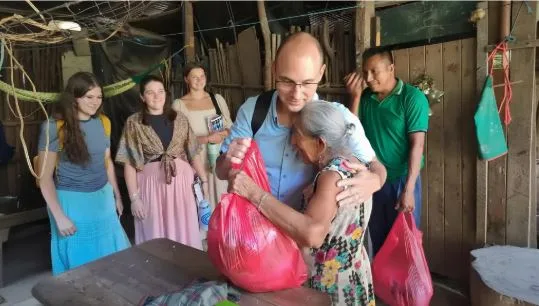
Mission trips today are about more than travel. Churches, youth groups, and ministry leaders increasingly want experiences rooted in authentic service, meaningful relationships, and lasting spiritual impact. At the same time, planning those experiences has become more complex.
Thirst Missions, a full-service short-term mission trip organization based in Forest Lake, Minnesota, helps groups navigate that challenge through Christ-centered, all-inclusive mission trips in Alaska, Appalachia, Belize, Guatemala, and Puerto Rico.
This article explores how major voluntourism trends are shaping meaningful mission travel in 2026 and why Thirst Missions continues to stand out for churches and ministry leaders.
Why Meaningful Travel Is Shaping Mission Trips in 2026
The idea of meaningful travel continues to influence how people approach mission experiences.
Travelers increasingly want trips that go beyond sightseeing or short-term activities. They want opportunities to serve, build relationships, learn from local communities, and return home changed by the experience. This shift closely reflects the growing influence of voluntourism, where travel and service come together in purposeful ways.
For churches and ministry leaders, this trend raises important questions. How do you create a mission trip that feels genuinely impactful? How do you balance service, spiritual growth, cultural learning, and logistical responsibility?
Organizations that can deliver both meaningful ministry opportunities and strong operational support are becoming increasingly valuable. That is where Thirst Missions fits naturally into the conversation.
Private Group Mission Trips Create Stronger Team Experiences
One of the biggest trends in faith-based travel is the move toward personalized group experiences.
Many mission organizations combine individuals from multiple churches into one shared trip. While that model works for some travelers, it can dilute a group’s existing relationships and ministry goals.
Thirst Missions takes a different approach. The organization specializes in private group mission trips for teams of four or more. Your church, school, or ministry group stays together throughout the experience.
This structure creates several advantages. Groups can focus on their own spiritual goals, team culture, and ministry relationships. Leaders have greater flexibility to guide conversations, discipleship moments, and group dynamics without navigating the added complexity of integrating strangers into the experience.
For churches looking for a mission trip that feels intentionally built around their people and purpose, this model aligns strongly with modern voluntourism expectations.
All-Inclusive Mission Planning Removes Administrative Stress
Meaningful mission work depends on more than good intentions. It also depends on effective planning.
Many church leaders discover that organizing a mission trip requires handling transportation, lodging, food, schedules, project coordination, cultural preparation, and unexpected problem-solving. Those demands can quickly pull leaders away from what matters most.
Thirst Missions addresses that challenge through an all-inclusive mission trip model designed to remove behind-the-scenes stress.
Their team manages:
- Lodging, meals, and purified water
- In-country transportation and project coordination
- Project materials, ministry activities, and daily logistics
This operational support allows pastors, youth leaders, and ministry teams to shift their attention back toward discipleship, relationship building, and spiritual leadership. Instead of acting as travel coordinators, leaders can fully engage with the purpose of the trip.
That practical support is one reason organizations like Thirst Missions continue to appeal to churches planning mission trips in 2026.
On-The-Ground Support Strengthens Safety and Cultural Connection
Safety and cultural understanding remain essential priorities for meaningful mission travel.
Thirst Missions strengthens both areas through a hands-on support model that includes dedicated staff members on every trip.
Rather than relying on a single contact person, the organization provides 2 to 4 trained Thirst Missions leaders who walk alongside each group throughout the experience.
These staff members coordinate logistics, support daily planning, guide cultural experiences, and help maintain safety across the trip.
Their presence matters in practical ways. Leaders gain experienced support when navigating unfamiliar environments, transportation logistics, project coordination, or unexpected challenges. The staff also helps groups approach service with greater cultural awareness and respect.
That combination of operational oversight and relational guidance reflects an important voluntourism trend. Modern mission travelers increasingly value experiences built around authentic learning, partnership, and responsible engagement with local communities.
Authentic Community Partnerships Create More Meaningful Service
Purpose-driven travel depends on authentic relationships. One of the strongest aspects of the Thirst Missions model is its commitment to partnering with local churches and ministry leaders in every destination.
Whether groups serve in Alaska, Appalachia, Belize, Guatemala, or Puerto Rico, the work happens within trusted community partnerships.
This approach helps ensure projects are locally informed, genuinely needed, and connected to ongoing ministry efforts.
Participants do not simply arrive, complete a task, and leave. Instead, groups have opportunities to encourage pastors, support local ministries, and build meaningful relationships with the communities they serve.
That focus aligns closely with the future of ethical voluntourism and faith-based travel. Churches increasingly want mission experiences that emphasize dignity, collaboration, and long-term impact rather than short-lived service moments. Thirst Missions builds those values directly into its mission philosophy.
Why Thirst Missions Aligns With Modern Faith-Based Travel Trends
The mission travel landscape continues to evolve, and churches are looking for organizations that can balance meaningful ministry with strong logistical leadership.
Thirst Missions brings together many of the priorities shaping mission trips in 2026. The organization combines private group experiences, all-inclusive planning, dedicated staff support, and authentic local partnerships within a Christ-centered framework.
For ministry leaders, that means less administrative burden and greater freedom to focus on discipleship, relationships, and service.
For participants, it creates opportunities for mission experiences that feel personal, organized, culturally grounded, and spiritually meaningful.
As voluntourism and purpose-driven travel continue to influence mission culture, organizations built around thoughtful support and authentic community engagement are becoming increasingly important.
Conclusion
Meaningful mission trips require more than a destination and a schedule. They require thoughtful planning, trusted partnerships, strong support systems, and a clear commitment to ministry impact.
By combining all-inclusive logistics, dedicated on-the-ground leadership, private group experiences, and authentic partnerships with local churches, Thirst Missions offers a model that closely matches the values shaping mission travel in 2026.
If your church, school, or ministry team is exploring purposeful mission experiences for the year ahead, visit the website or schedule a call to learn more about Thirst Missions today.