Why Warehouse Racking Safety Requires Continuous Attention
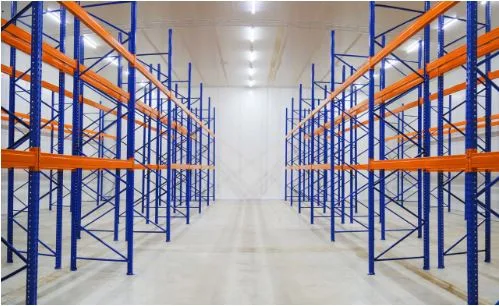
Warehouses are expected to store more goods, support faster order fulfilment and adapt to changing commercial demands. Within these busy environments, racking is sometimes regarded as a permanent fixture that needs little attention after installation. In reality, its condition and suitability can change considerably during its working life.
Storage structures are exposed to repeated loading, forklift movements, changing stock profiles and alterations to warehouse layouts. Even relatively minor damage can affect how safely and efficiently a system performs. This is why specialists such as Able Racking provide services covering the complete lifecycle of warehouse storage, including installation, inspections, repairs, maintenance and safety training.
Managing racking properly is not simply a question of preserving equipment. It can also help protect employees, reduce avoidable disruption and ensure that available warehouse space remains practical for everyday operations.
Effective Planning Starts With the Working Environment
No single racking configuration is appropriate for every warehouse. The right arrangement depends on the building, the goods being stored and the way employees and handling equipment move through the space.
Ceiling height and total floor area are important, but they are only part of the picture. Columns, loading bays, fire exits, pedestrian routes, lighting and other building features can affect the final design. Forklift access, pallet dimensions and anticipated load weights must also be considered.
Businesses assessing warehouse racking services can look to specialists such as Able Racking, whose published service range includes racking design, supply and installation tailored to the space and operational requirements of individual warehouses.
A layout that offers the greatest possible storage density may not always deliver the best operational result. If aisles are too restrictive or frequently accessed goods are poorly positioned, employees may need to travel further or perform more difficult handling movements. Good planning balances capacity with accessibility, safety and efficient stock flow.
Warehouse Requirements Rarely Remain Static
A storage system may be appropriate when first installed, but warehouse requirements can change. Businesses introduce new products, hold different quantities of stock and respond to seasonal peaks. Pallet dimensions or load weights may also vary over time.
These developments can lead to changes in beam levels, storage locations and warehouse traffic patterns. Any significant alteration should be considered carefully because the original system will have been designed around particular load and layout requirements.
Able Racking offers installations and layout changes alongside inspection and maintenance services. This joined-up service range reflects the importance of considering how alterations may affect the wider storage system rather than viewing each change in isolation.
The introduction of new handling equipment may also influence a warehouse layout. A different forklift could have alternative turning, access or lift requirements. Reviewing these details before changing equipment or repositioning racks can help businesses avoid creating unnecessary operational difficulties.
Regular Inspections Support Safer Operations
Warehouse racking can sustain damage during ordinary operations, particularly in areas where forklifts and other vehicles work close to the structure. Some problems are immediately obvious, while others may be easier to overlook.
A bent upright, damaged beam, loose component or missing locking device should not be dismissed simply because the rack remains standing. Routine internal checks can help warehouse teams identify visible concerns and report them before the condition worsens.
Formal inspections provide a more structured assessment. Able Racking states that its trained inspectors conduct annual inspections in accordance with SEMA guidelines across different makes of installed racking. Following an inspection, the company provides a written report that records the condition of the system using a red, amber and green classification method.
This type of reporting gives warehouse operators a clearer basis for prioritising remedial work. It can distinguish between issues requiring urgent attention and those that should be monitored or addressed within a defined period.
Inspection records should form part of an ongoing management process. Reports need to be reviewed, responsibilities assigned and recommended actions completed. Otherwise, problems may remain unresolved even though they have already been identified.
Repairs Should Follow a Structured Process
Visible damage should be assessed properly before a storage area is returned to normal use. Improvised repairs or attempts to reshape structural components may not restore the system to the condition required for safe operation.
The repair process described by Able Racking begins with a review of inspection findings and the proposed scope of work. A project manager checks the relevant details and takes account of site-specific requirements. The company then sources appropriate parts and completes work in line with the supplied method statements and design information.
This approach demonstrates why effective warehouse racking services should connect inspection findings with appropriate maintenance and remedial work. Able Racking also supplies protective barriers and guards, which can help protect storage structures and goods in vulnerable areas.
Repairing damaged components is important, but businesses can also examine how the damage occurred. Repeated impacts in the same location might point to restricted manoeuvring space, poor visibility or a traffic route that places handling equipment too close to the racks.
Addressing the surrounding operational issue may reduce the likelihood of similar damage occurring again.
Planned Maintenance Can Reduce Disruption
Waiting until part of a storage system becomes unusable can create avoidable pressure. Stock may need to be moved at short notice, sections of the warehouse may become inaccessible and repair work may have to be arranged around active operations.
Able Racking presents regular inspections and early attention to wear and tear as a proactive way to keep storage systems reliable. Its maintenance guidance also connects proper upkeep with reduced downtime, longer equipment life and smoother warehouse operations.
A planned approach gives businesses greater control over when remedial work takes place. It can also help managers coordinate repairs with quieter operational periods, stock movements or other facilities work.
Maintenance should therefore be viewed as part of normal warehouse planning rather than an expense reserved for emergencies. The objective is not only to respond to visible damage, but also to preserve the safety, compliance and practical performance of the system.
Employees Play an Important Role
Professional inspections provide specialist oversight, but warehouse employees work around the racking every day. They are often the first people to witness an impact or notice a component that no longer appears to be in its usual condition.
Training can help employees understand what to look for and how concerns should be escalated. Staff do not need to make technical judgements about structural integrity, but they should be able to recognise when an issue requires attention.
Able Racking provides both in-person and online safety training. Its published course information explains that employees can learn about different types of racking, key structural components, relevant responsibilities and the red, amber and green approach to assessing damage.
This awareness can support safety between formal inspections. It also helps create a working environment in which visible damage is reported rather than ignored or left for the next inspection.
A reporting process should be straightforward. Employees need to know who should receive a report, how the affected area will be managed and who is responsible for arranging further assessment. Managers, in turn, should respond consistently when concerns are raised.
Better Oversight Benefits the Wider Business
Safe racking management and operational efficiency are closely connected. Clear aisles, appropriate stock positioning and well-maintained storage structures help employees move goods with greater confidence. Planned inspections and repairs can also reduce the risk of unexpected disruption.
Records from inspections and maintenance work may reveal useful patterns. If damage occurs repeatedly in one aisle or at a particular height, the business can investigate whether changes to traffic routes, protection measures or working practices are required.
The range of services provided by Able Racking reflects a simple but important principle: warehouse racking requires attention throughout its operational life. Installation establishes the system, but inspections, maintenance, repairs and employee awareness help keep it suitable for continued use.
Warehouses will continue to change as businesses grow and customer expectations evolve. Organisations that review their storage arrangements, act on inspection findings and encourage prompt reporting will be better placed to protect their employees, stock and day-to-day operations.