Why Water Safety Has Become a Growing Focus in Modern Healthcare Facilities
You walk into a hospital and everything looks clean. Floors shine. The air smells sharp. Faucets run without a second thought. Water feels harmless. Normal. But water is everywhere in that building. It cleans. It rinses. It carries things from one place to another. And when hospitals started looking closer, they realized something important. Water needed more attention. That’s why conversations around standards, monitoring, and even testing required by AAMI ST108 are now part of everyday safety planning. Not loudly. Just quietly. And seriously.
How Water Is Used Across Healthcare Environments
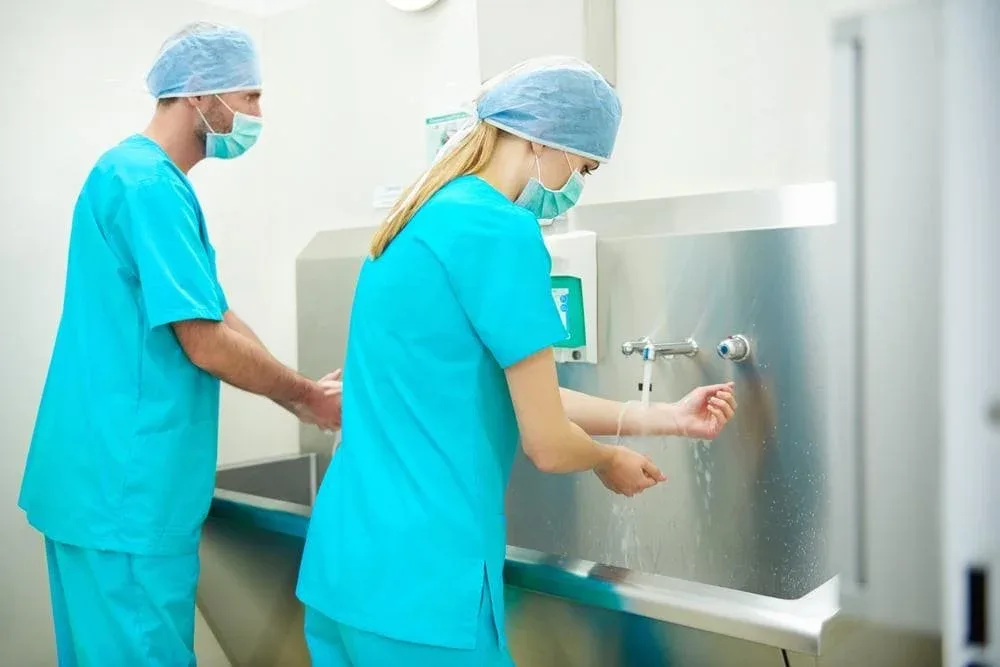
Water touches almost everything. You wash your hands. Nurses scrub in. Equipment gets cleaned. Rooms are wiped down. Instruments are rinsed before they ever touch a patient.
It feels basic. Almost boring. But that’s the danger. When something is used all the time, problems don’t announce themselves. They creep. A pipe here. A sink there. One small issue can spread wider than you expect.
Hospitals have learned this the hard way. So water is no longer “just water.” It’s part of care. Part of safety. Part of responsibility.
Understanding the Risks Linked to Hospital Water Systems
Most water systems live out of sight. Behind walls. Under floors. Inside pipes no one thinks about. The water can look clean and still carry risks. That surprises people.
When water sits too long. Or flows through older systems. Bacteria can grow. Not dramatic. Not visible. But present. In a hospital, that matters. Because patients are not all starting from the same place.
Some bodies fight back easily. Others don’t. And water becomes one more thing hospitals can’t afford to ignore.
Why Vulnerable Patients Face Higher Exposure
Think about who really depends on hospitals. Not just people with minor issues. But those whose bodies are already tired. Or weak. Older adults. Newborns. Cancer patients. People whose immune systems are barely holding the line.
For them, the margin is thin. Very thin.What feels like nothing to you can feel overwhelming to them. A tiny amount of bacteria. A small exposure. Something that would never register for a healthy person can turn into a serious complication.
That’s why hospitals don’t treat all patients the same way. They can’t. Vulnerable patients need extra layers of protection. Extra checks. Extra caution. Especially when it comes to the environment around them.
Water plays a bigger role than most people realize. It’s used constantly in patient rooms. For cleaning. For hygiene. For equipment. And when water systems aren’t carefully managed, they can quietly become pathways for harm. Not loudly. Not obviously. Just slowly.
Monitoring, Standards, and Routine Oversight in Hospitals
Hospitals don’t rely on assumptions. They rely on routines. Checklists. Oversight. Water safety fits into that structure.
Monitoring happens regularly. Not once. Not occasionally. Teams look at temperature. Flow. Quality. System performance. They try to catch issues early, before patients ever feel the effects.
You probably won’t see this happening. That’s okay. When systems work well, they stay invisible. And in healthcare, invisible safety is usually a good sign.
Staff Training and Daily Awareness Around Water Use
Policies don’t protect patients by themselves. People do. Nurses. Cleaning staff. Technicians. Maintenance teams.
They notice things. A faucet that doesn’t sound right. Water that smells different. Equipment that wasn’t cleaned the usual way. These small details matter. A lot.
Staff are trained to speak up. To report concerns. To treat water safety as part of daily care, not a side task. Over time, it becomes instinct. And instinct matters when lives are involved.
The Broader Impact of Water Safety on Hospital Trust
When you trust a hospital, you trust everything inside it. The staff. The systems. The environment. Water plays a quiet role in that trust. You don’t ask about it. You assume it’s handled.
Hospitals understand how fragile trust can be. One failure can undo years of confidence. That’s why so much effort goes into things patients never notice. Clean water supports clean tools. Clean hands. Clean spaces. It reduces the chance of infections spreading quietly, without warning.
When fewer infections happen, recovery feels safer. Care feels steady. Predictable. Human.
Conclusion
Water safety isn’t dramatic. You won’t see banners about it. But it matters every single day. From handwashing to instrument cleaning, every drop plays a role. Hospitals continue refining how they monitor and manage water because it supports something bigger. A safer environment. Better outcomes. Stronger infection prevention measures that protect patients without ever asking for attention. And honestly, that’s how it should be.