Why Weekly Mowing Is the Secret to a Showstopping Lawn
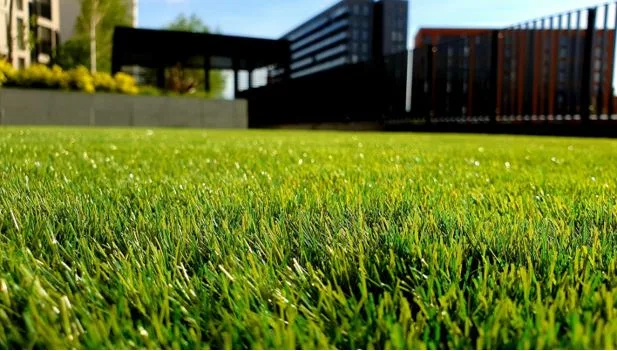
A lawn can look healthy one week and surprisingly unkempt 14 days later. During peak growing season, grass can quickly become uneven, seed heads can start to show, and weeds can start overtaking the grass. Waiting until your yard looks that way makes every cut harder on the grass. A dependable weekly schedule prevents that cycle and gives your lawn the consistency it needs to look its best.
If your weekends are already crowded, professional lawn care services can keep mowing on schedule while accounting for growth rate, weather, and turf conditions. That regular attention matters because mowing shapes how densely grass grows, how well it handles stress, and how successfully it competes with weeds.
Consistent Cutting Encourages Thicker Grass
Mowing removes the vertical tips of grass blades, encouraging many turfgrass varieties to grow outward and produce new shoots. Over time, that lateral growth creates a denser lawn with fewer thin patches. Dense turf also leaves less open soil where weed seeds can germinate.
Inconsistent mowing produces the opposite effect. When grass grows tall and is suddenly cut short, the plant loses too much leaf tissue at once. This can leave the lawn looking pale or scalped and temporarily reduce its ability to make energy through photosynthesis.
A weekly routine makes it easier to follow the one-third rule: never remove more than one-third of a grass blade in a single mowing. The precise timing may change with the season, but regular cuts keep growth manageable and reduce stress.
The Right Height Protects the Roots
A showstopping lawn is supported by healthy roots, and mowing height plays a major role below the surface. Grass that is kept slightly taller generally develops a stronger root system, shades the soil, and loses less moisture during hot weather.
Cutting too low may produce a close-cropped look for a few days, but it exposes the soil to heat and gives weeds more access to sunlight. It can also damage the grass crowns, especially on uneven ground. Weekly mowing lets you maintain an appropriate height without making drastic cuts. Sharp mower blades are equally important because they slice cleanly instead of tearing the tips and leaving them brown.
Regular Mowing Keeps Clippings Useful
Small clippings from frequent mowing settle between the grass blades and break down quickly. They return moisture and nutrients to the soil without creating a messy surface. Despite a common misconception, these short clippings don’t usually cause thatch.
Long, wet clumps are another story. They can smother the grass beneath them, block sunlight, and leave obvious streaks across the yard. Weekly mowing keeps clippings short enough to disperse naturally. If growth has surged after heavy rain, mow when the grass is dry and collect or redistribute any clumps.
A Weekly Schedule Still Needs Flexibility
“Weekly” should be treated as a dependable rhythm rather than an inflexible rule. Grass may need cutting sooner during warm, wet stretches and less often during drought or slow-growth periods. Avoid mowing saturated turf, which can compact soil and leave ruts. During extreme heat, raising the mower deck and allowing extra leaf length helps protect the lawn.
Changing direction from one cut to the next also improves the finish. Alternating patterns prevents grass from repeatedly leaning one way and reduces the chance of wheel tracks becoming compacted.
Make Consistency Your Lawn’s Advantage
The lawns that catch your eye rarely owe their appearance to a single treatment. The secret sauce is timely care before problems become visible. Set a recurring mowing day, keep your blades sharp, and adjust the height as conditions change. If that routine is difficult to maintain, arrange reliable weekly help so your lawn receives the right cut at the right time.