Why Workforce Solutions Matter More Than Ever
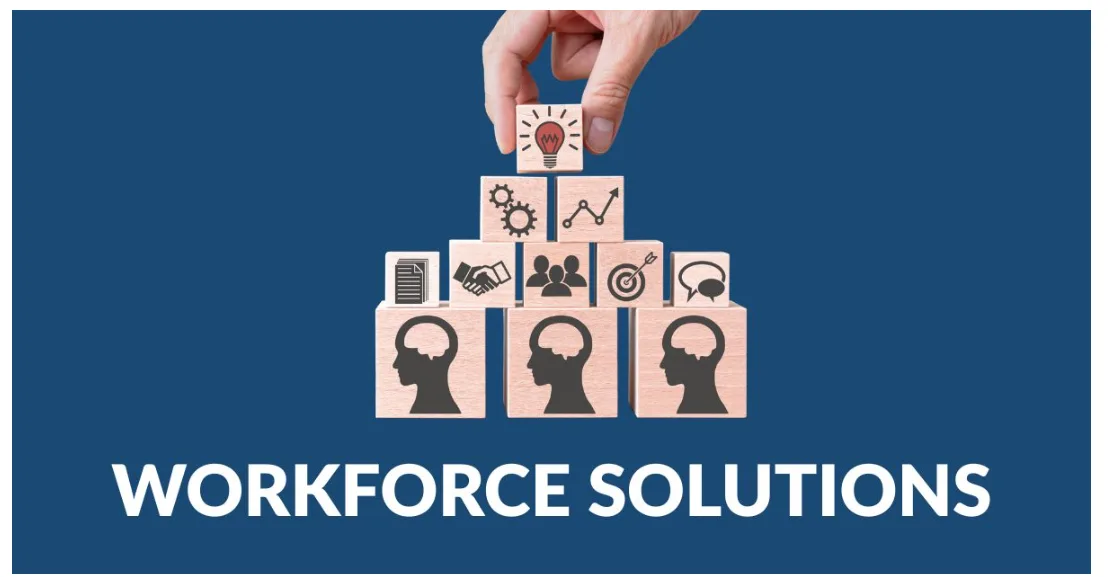
In today’s volatile labor market, businesses are navigating a perfect storm of talent shortages, evolving workforce expectations, and accelerating digital transformation. Traditional hiring models are no longer sufficient to meet these demands. Organizations that continue to rely on reactive recruitment strategies risk falling behind. This is where workforce solutions have emerged as a critical business lever, enabling companies to stay agile, competitive, and growth-focused.
What Are Workforce Solutions?
Workforce solutions refer to a comprehensive, strategic approach to managing talent across the entire employment lifecycle. Rather than focusing solely on recruitment, workforce solutions encompass workforce planning, talent acquisition, contingent staffing, compliance management, and employee retention strategies.
In practice, this means aligning people’s strategies with business objectives. Companies leverage workforce solutions to ensure they have access to the right skills, in the right roles, at the right time, while maintaining operational efficiency and cost control.
This approach often integrates technology, analytics, and specialized expertise to create a more agile and responsive workforce model. Instead of isolated hiring efforts, workforce solutions create a cohesive system that supports long-term business performance.
The Shift from Hiring to Workforce Strategy
The modern workforce is more dynamic than ever. Remote work, freelance ecosystems, and project-based engagements have fundamentally changed how talent operates. As a result, companies need more than just recruiters, they need integrated workforce solutions that align talent acquisition with broader business objectives.
By adopting workforce solutions, organizations gain access to scalable talent pipelines, data-driven hiring insights, and flexible staffing models. This allows leadership teams to make proactive decisions rather than reactive ones, ensuring they have the right people in place at the right time.
Driving Efficiency Through Data and Technology
One of the most significant advantages of workforce solutions is the ability to leverage data and technology. Advanced analytics, AI-driven platforms, and workforce planning tools provide visibility into hiring trends, skill gaps, and future talent needs.
This level of insight empowers companies to optimize their workforce strategies, reduce time-to-hire, and improve overall productivity. Instead of relying on intuition, decision-makers can use real-time data to guide their actions resulting in more efficient and cost-effective outcomes.
Moreover, automation streamlines repetitive processes such as candidate sourcing, screening, and onboarding. This not only enhances operational efficiency but also allows HR teams to focus on higher-value initiatives like employee engagement and retention.
Enhancing Agility in Uncertain Markets
Economic uncertainty has become the new normal. Businesses must be prepared to scale up or down quickly in response to market fluctuations. Workforce solutions provide the flexibility needed to adapt without compromising performance.
Whether it’s leveraging contract talent during peak periods or restructuring teams to align with new priorities, organizations with robust workforce solutions are better equipped to navigate change. This agility is a key differentiator in industries where speed and responsiveness directly impact success.
Improving Talent Quality and Retention
Attracting top talent is only half the battle, retaining them is equally critical. Workforce solutions focus not just on hiring but on creating a positive employee experience that drives long-term engagement.
Through better matching of skills to roles, continuous development opportunities, and strategic workforce planning, companies can build stronger, more resilient teams. This reduces turnover, lowers hiring costs, and fosters a culture of growth and innovation.
Workforce solutions enable organizations to tap into diverse talent pools, promoting inclusivity and bringing fresh perspectives into the business.
Aligning with Industry Standards and Best Practices
Organizations that invest in workforce solutions often align themselves with industry-leading frameworks and standards. Groups like the United States Staffing Association play a pivotal role in shaping best practices, offering insights, and supporting businesses in navigating workforce challenges.
By staying connected to such networks, companies can benchmark their strategies, stay informed on emerging trends, and continuously refine their approach to talent management.
Conclusion
Workforce solutions are not just an operational upgrade; they are a strategic advantage. Companies that embrace this approach position themselves to respond faster, innovate more effectively, and outperform competitors.
In a landscape where talent is one of the most valuable assets, having a comprehensive workforce strategy is no longer optional. It is the foundation for sustainable growth and long-term success.
Businesses looking to strengthen their workforce strategies can benefit from exploring resources and insights available through organizations like the United States Staffing Association, as well as leveraging expert-driven workforce planning solutions from trusted partners in the staffing ecosystem.
As the future of work continues to evolve, one thing remains clear: companies that prioritize workforce solutions today will be the ones leading tomorrow.