Why Y2K Fashion Is Dominating Again in 2026
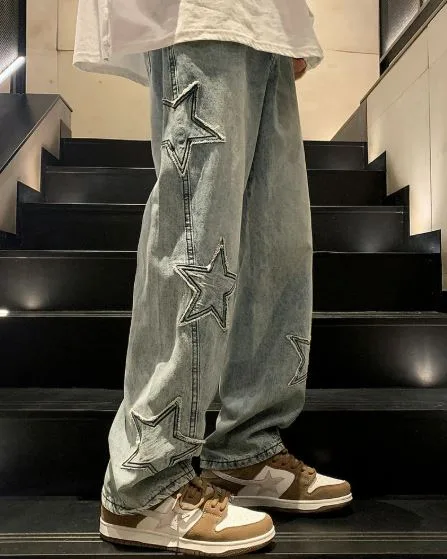
Y2K fashion has moved far beyond a niche revival. In 2026, it stands as one of the most visible and influential aesthetics in global fashion. From street style to luxury runways, the early 2000s are no longer just a reference point—they are a dominant visual language. Understanding why this trend has resurfaced so powerfully requires looking at a mix of cultural cycles, digital influence, and shifting attitudes toward identity and self-expression.
The Power of the 20-Year Trend Cycle
Fashion has always operated in cycles, and the return of Y2K aligns almost perfectly with the industry’s well-known 20-year pattern. Styles that were once dismissed often come back reinterpreted for a new generation. In the early 2000s, trends like low-rise jeans, baby tees, and metallic fabrics were ubiquitous. By the 2010s, they had largely fallen out of favor, replaced by minimalism and athleisure.
Now, those same Y2K elements feel fresh again. The distance of two decades creates enough separation for reinterpretation. What was once seen as excessive or even tacky is now appreciated for its boldness and distinct identity. The cycle is not simply repetition—it’s reinvention.
Gen Z and the Reframing of Nostalgia
A key driver behind the resurgence of Y2K fashion is Generation Z. Unlike millennials, who experienced the early 2000s firsthand, Gen Z engages with the era through a curated, often romanticized lens. For them, Y2K is not about memory but discovery.
This perspective changes how the style is interpreted. Instead of replicating outfits exactly as they were, Gen Z blends Y2K elements with contemporary influences. The result is a hybrid aesthetic that feels both nostalgic and new. It also reflects a broader cultural shift: nostalgia is no longer about returning to the past, but about reimagining it.
The Influence of Digital Platforms
The role of social media cannot be overstated. Platforms like TikTok have accelerated the spread of Y2K fashion at an unprecedented pace. Through short-form video content, trends can emerge, peak, and evolve within weeks.
Creators post outfit inspiration, thrift hauls, and transformation videos that showcase the versatility of Y2K style. The algorithm rewards visually distinctive content, and Y2K’s bold colors, textures, and silhouettes are highly engaging. This creates a feedback loop: the more people see the trend, the more they adopt it, and the cycle continues.
Unlike previous fashion revivals, which were often driven by designers or magazines, this resurgence is largely grassroots. It is shaped by users, not dictated from the top down.
Celebrity and Pop Culture Revival
Cultural icons from the early 2000s have also returned to the spotlight, influencing a new generation of fashion enthusiasts. Figures like Britney Spears and Paris Hilton are once again referenced in style discussions, mood boards, and editorial shoots.
Their original looks—once controversial or polarizing—are now celebrated as iconic. At the same time, contemporary celebrities and influencers reinterpret these styles, making them more accessible and relevant. This cross-generational influence reinforces the legitimacy of Y2K fashion as more than just a passing trend.
A Reaction Against Minimalism
The rise of Y2K fashion can also be understood as a reaction to the dominance of minimalism in the 2010s. For years, fashion favored neutral tones, clean lines, and understated silhouettes. While this aesthetic remains influential, it has created space for a contrasting approach.
Y2K fashion embraces maximalism. It favors experimentation, layering, and visual impact. Rhinestones, bold prints, glossy fabrics, and statement accessories all play a role. This shift reflects a broader desire for self-expression in a world that often feels increasingly standardized.
Accessibility and the Rise of Resale Culture
Another factor behind the popularity of Y2K fashion is its accessibility. Many original pieces from the early 2000s are still available through thrift stores, vintage shops, and online resale platforms. This makes it possible to engage with the trend without relying entirely on new production.
The rise of secondhand shopping has aligned perfectly with the Y2K revival. Consumers are more conscious of sustainability and are actively seeking alternatives to fast fashion. Y2K clothing, often sourced from existing garments, fits naturally into this shift.
At the same time, a lot of brands have embraced the trend, producing updated versions of classic Y2K pieces, just like this website. This dual availability—vintage and new—broadens the audience and makes the style more inclusive.
Identity, Playfulness, and Freedom
At its core, the appeal of Y2K fashion lies in its sense of freedom. The early 2000s were characterized by a willingness to experiment, and that spirit resonates today. The style does not impose strict rules; instead, it encourages individuality.
This is particularly important in a cultural moment where identity is fluid and self-expression is highly valued. Y2K fashion offers a visual toolkit for exploring different facets of identity, whether through hyper-feminine looks, sporty influences, or futuristic elements.
The playfulness of the aesthetic also stands out. In contrast to more serious or restrained styles, Y2K embraces fun. This emotional dimension contributes to its widespread appeal.
The Role of Reinterpretation
It is important to note that Y2K fashion in 2026 is not a direct copy of the past. It has been adapted to reflect contemporary values. There is greater attention to inclusivity, body diversity, and personal comfort.
For example, while low-rise jeans have returned, they are often styled in more flexible ways. Similarly, traditionally gendered pieces are now worn across a broader spectrum of identities. This reinterpretation allows the trend to evolve rather than stagnate.
Conclusion
Y2K fashion is dominating again in 2026 because it sits at the intersection of nostalgia, digital culture, and modern identity. Driven by Gen Z, amplified by platforms like TikTok, and reinforced by celebrity influence, it has become a defining aesthetic of the moment.
More than just a revival, it represents a shift toward expressive, accessible, and adaptable fashion. Its success lies in its ability to balance past and present, offering both familiarity and innovation.