
10 Best Fitness Apps to Help You Reach Your Health and Fitness Goals
Finding the right fitness app can be the difference between a plan you follow and one you drop by week two. Today’s apps do far more than count steps. They guide strength sessions, log meals, map your runs, and even nudge you toward better sleep.
We compared ten of the most useful options across workouts, nutrition, tracking, and ease of use. Below you’ll find what each app does well, where it falls short, and who it suits best.
Key Takeaways
- Fitness Refined, MyFitnessPal, Strava, Nike Training Club, and Strong each cover a different need, so the “best” app depends on your goal.
- Check your devices, budget, and training style before you download anything.
- Most apps offer a free tier or trial, so you can test before you pay.
What should you look for in a fitness app?
Not every app is worth a spot on your home screen. Here are the five things we focused on.
- It should match your goal. A lifter needs a clean workout log. A runner needs GPS. Someone changing their eating habits needs a solid food database.
- It should work with your devices. If you wear an Apple Watch or Fitbit, check that the app syncs smoothly. Good integration saves you from logging things twice.
- It should be easy to stick with. Short sessions, clear progress, and a simple layout matter more than a long feature list.
- It should have fair pricing. Free tiers and trials let you try before you commit. Be careful with apps that hide key features behind an expensive plan.
- It should keep you motivated. Challenges, community, streaks, and instructors all help you show up on tired days.
The 10 best fitness apps at a glance
| App | Best for | Main strength | Works well with |
| Fitness Refined | Choosing the right app | Clear guidance for beginners | Any device |
| MyFitnessPal | Nutrition tracking | Large food database | Most wearables |
| Strava | Runners and cyclists | GPS routes and community | Phones, watches, bike computers |
| Nike Training Club | Home workouts | Guided video sessions | Phone or tablet |
| Peloton App | Class variety | Live and on-demand classes | Phone, tablet, TV |
| Apple Fitness+ | Apple users | Live metrics on screen | Apple Watch, iPhone |
| Fitbit | All-day tracking | Activity and sleep data | Fitbit trackers |
| Strong | Lifters | Fast set and rep logging | Phone |
| Down Dog | Yoga and stretching | Customizable sessions | Phone or tablet |
| Centr | All-in-one programs | Workouts plus meal plans | Phone, tablet, TV |
1. Fitness Refined: Best for choosing the right app
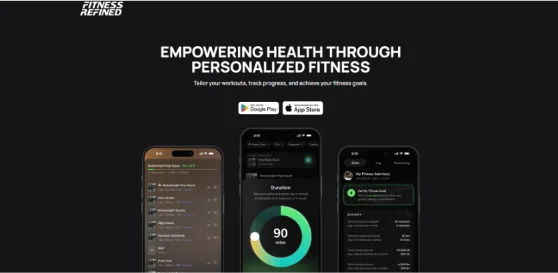
If you are not sure where to begin, Best fitness app is a good first stop. It is a fitness-focused resource that helps you compare apps, understand workout styles, and pick tools that match your goals, rather than locking you into one program.
What We Like
- Practical guidance on choosing apps and training approaches.
- Beginner-friendly explanations of workouts and routines.
- Ideas for building habits you can actually keep.
What Could Be Better
- It is a guide, not a tracker, so you will still need a separate app to log workouts.
Pricing: Free to browse.
2. MyFitnessPal: Best for nutrition tracking
MyFitnessPal is the go-to choice for people who want to understand what they eat. Its large food database makes logging a meal quick, and the daily summary shows how your intake lines up with your goals.
What We Like
- Barcode scanner for fast food logging.
- Calorie and macro tracking in one place.
- Syncs with many wearables and other fitness apps.
What Could Be Better
- Some of the more useful tools sit behind the paid plan.
- Logging every meal takes discipline and can feel tedious.
Pricing: Free tier available, with a paid premium plan.
3. Strava: Best for runners and cyclists
Strava turns running and cycling into something social. You record your route, see how it compares with past efforts, and share it with friends who can cheer you on.
What We Like
- GPS tracking for runs, rides, and walks.
- Segments that let you compete on popular routes.
- Clubs, challenges, and activity feeds.
What Could Be Better
- It offers little in the way of guided strength or yoga workouts.
- Advanced analysis and route tools need a subscription.
Pricing: Free tier available, with a paid subscription.
4. Nike Training Club: Best for home workouts
Nike Training Club offers a large library of guided workouts, from short bodyweight sessions to longer strength and mobility plans. It works well if you train at home with little or no equipment.
What We Like
- Video workouts led by Nike trainers.
- Programs for strength, cardio, yoga, and recovery.
- Sessions filtered by time, level, and equipment.
What Could Be Better
- Limited nutrition tools compared with dedicated food trackers.
- Serious lifters may want more detailed progress logging.
Pricing: Free to use at the time of writing.
5. Peloton App: Best for class variety
You do not need the bike to use the Peloton App. It streams classes across cycling, running, strength, yoga, and meditation, with instructors who keep the energy high.
What We Like
- Live and on-demand classes.
- Strength, cardio, stretching, and mindfulness options.
- Progress tracking and leaderboards for motivation.
What Could Be Better
- The monthly cost is higher than many other apps.
- The sheer number of classes can feel overwhelming at first.
Pricing: Paid subscription, with a free trial often offered.
6. Apple Fitness+: Best for Apple users
Apple Fitness+ is built for people already in the Apple ecosystem. When you wear an Apple Watch, your heart rate and calories appear on screen while you follow the class.
What We Like
- Studio-style workouts in a wide range of formats.
- Real-time metrics from Apple Watch.
- Guided meditation and curated workout playlists.
What Could Be Better
- It is designed for Apple devices, so Android users are out of luck.
- It gets the most value when paired with an Apple Watch.
Pricing: Paid subscription, with a trial for new users.
7. Fitbit: Best for all-day tracking
The Fitbit app pairs with Fitbit trackers to give a full picture of your day. It tracks activity, heart rate, and sleep, then presents everything in a clear dashboard.
What We Like
- Step, heart rate, and sleep tracking.
- Goal setting with daily and weekly progress.
- Food and water logging.
What Could Be Better
- You get the most out of it with a Fitbit device.
- Deeper insights may require a premium plan.
Pricing: Free app, with an optional premium membership.
8. Strong: Best for lifters
Strong is a clean, no-fuss workout log. Instead of video classes, it focuses on recording sets, reps, and weights, so you can see your strength grow over time.
What We Like
- Custom routines and an exercise library.
- Automatic rest timer and plate calculator.
- Charts for personal records and progress.
What Could Be Better
- No guided video workouts, so beginners may want extra instruction.
- The free version limits how many routines you can save.
Pricing: Free tier available, with a paid upgrade.
9. Down Dog: Best for yoga and stretching
Down Dog makes yoga flexible. You choose the length, pace, and focus, and the app builds a fresh session each time, which keeps practice from feeling repetitive.
What We Like
- Customizable yoga practices for all levels.
- Choice of music, voice, and session length.
- Options for stretching, barre, and other styles.
What Could Be Better
- It focuses on yoga and mobility, not heavy strength training.
- Some features are limited unless you subscribe.
Pricing: Free tier available, with a paid subscription.
10. Centr: Best for all-in-one programs
Centr combines workouts, meal plans, and mindfulness in one place. It suits people who want a structured program rather than picking sessions one by one.
What We Like
- Multi-week training programs.
- Recipes and meal plans.
- Meditation and wellbeing content.
What Could Be Better
- Less flexible if you prefer to build your own routine.
- A paid plan is required for full access.
Pricing: Paid subscription, with a free trial often available.
Final thoughts: choose the app you’ll open tomorrow
The best fitness app is not the one with the longest feature list. It is the one you will open again tomorrow. Start with your goal: nutrition, strength, running, or general movement. Then try one or two options for a couple of weeks and see which feels easiest to stick with.
Many of these apps offer a free tier or trial, so testing costs very little. If you are still unsure where to start, a guide like Fitness Refined can help you narrow the field before you download anything. Pair the right tool with a realistic routine, and steady progress will follow