
223 Remington Ammunition: How to Choose the Right Rounds for Training, Hunting and Home Defense
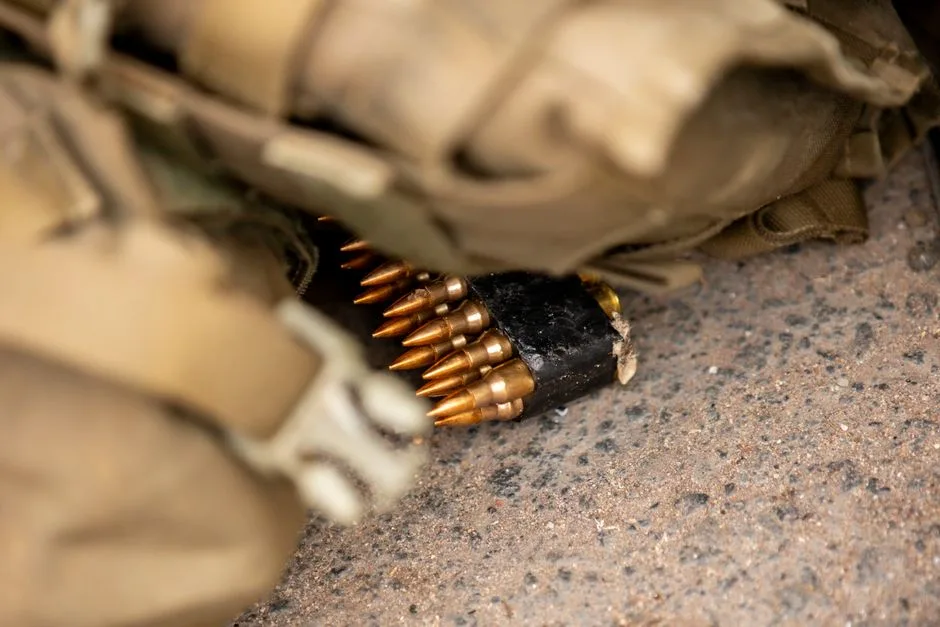
Few rifle cartridges have earned a following like the .223 Remington. It is the standard chambering of the AR-15 platform, the most common round at civilian rifle ranges across America, and a first choice for weekend plinkers, competitive shooters and varmint hunters alike. The reasons are practical: light recoil, a flat trajectory, low cost per round, and loads wide enough to cover almost any job a small-bore rifle is asked to do. But the shelf can be confusing. Grain weights run from 35 to 77, bullet types from full metal jacket to polymer-tipped varmint loads, and the difference between .223 Remington and 5.56 NATO trips up new shooters every year. This article explains what actually matters, so you can match the round to your rifle and your purpose.
What Is the 223 Remington?
The cartridge grew out of the .222 Remington case in the late 1950s, when designers wanted a small, fast military round with more velocity than the .222 could deliver. Remington introduced it commercially in 1964, and it became the basis of the 5.56x45mm NATO cartridge used by armed forces around the world. That shared history is why the two names are so often confused. The cartridges look almost identical, but 5.56 NATO is loaded to higher pressure and its chambers are cut with a longer throat. A rifle chambered for 5.56 NATO can safely fire .223 Remington, but a rifle chambered only for .223 Remington should not fire 5.56 NATO. Check the marking stamped on your barrel before you buy.
Grain Weight and Twist Rate
The number on the box, measured in grains, is the weight of the bullet itself. The most common .223 Remington load is a 55-grain full metal jacket, which leaves a 20-inch barrel at around 3,240 feet per second. It shoots flat, costs little, and handles most range work and varmint shooting. Heavier bullets, from 62 grains up to 77, carry more energy downrange and resist wind better, which is why match shooters favour them. Lighter bullets, from 35 to 50 grains, are built for speed and rapid fragmentation, and they are the classic choice for prairie dogs and other small varmints.
The weight you choose has to suit your barrel. Rifling is described by its twist rate, the distance the bullet travels to make one full turn. A slow 1:12 twist suits light varmint bullets. A 1:9 twist, common on many rifles, handles 55 to 62 grains well. A fast 1:7 or 1:8 twist is needed to stabilise heavy 69 to 77 grain bullets. Shoot a heavy bullet through a slow twist and it may tumble in flight. Your barrel’s twist rate is usually stamped on it, and matching your bullet weight to it is the single most useful thing you can do for accuracy.
Bullet Types Explained
Full metal jacket rounds, usually called FMJ, have a soft lead core wrapped in a copper jacket. They feed reliably, punch clean holes in paper, and cost far less than any other type, which makes them the standard choice for training. Hollow point boat tail and open tip match bullets, known as HPBT and OTM, are built for consistency and accuracy, and they dominate competitive shooting. Soft point rounds expose a little lead at the nose so the bullet expands on impact, which is what you want when hunting medium game. Polymer-tipped bullets such as the Hornady V-Max fragment violently on thin-skinned varmints, and all-copper bullets such as the Barnes TSX hold together for deep penetration on larger animals.
No single bullet type does everything. A box of cheap FMJ is perfect for a day at the range and a poor choice for hunting, while a premium match load will group beautifully on paper and waste money doing it. Pick the bullet for the job in front of you.
Matching the Load to the Job
For training, the answer is simple: affordable 55-grain FMJ in bulk. You will shoot hundreds of rounds, and the cost per round matters far more than any small difference in accuracy. For varmint hunting, a light polymer-tipped load in the 40 to 55 grain range gives explosive results on small animals. For predators such as coyotes, a 55 to 62 grain soft point or bonded bullet offers a better balance of expansion and penetration. For home defense, many shooters choose a 55 to 77 grain hollow point or open tip match load, which fragments on impact and is less likely to over-penetrate than a handgun round. And for deer-sized game, where local law allows it, a heavier soft point or all-copper bullet in the 62 to 77 grain range is the responsible choice. Always check your state and local regulations first, since some areas restrict the .223 Remington for deer hunting.
Buying in Bulk
Skill with a rifle comes from repetition, and repetition takes rounds. A shooter who visits the range twice a month can easily go through several hundred rounds, and buying twenty-round boxes at retail prices adds up fast. Bulk packs of 500 or 1,000 rounds bring the cost per round down sharply, and battle packs and case lots make it easy to keep a proper stock on hand. When you are ready to compare options side by side, a dedicated range of 223 ammo lets you check grain weights, bullet types and pack sizes in one place, from boxes of twenty to thousand-round cases. Buying from a specialist retailer with a large in-stock selection also means your order ships from the warehouse rather than sitting on backorder.
Storage is straightforward. Keep cartridges in a cool, dry place, away from heat and moisture. Ammunition stored properly stays reliable for many years, so there is no penalty for stocking up when prices are good.
Safety and Storage
A few habits keep shooting safe and enjoyable. Always confirm the cartridge matches the marking on your barrel, and never force a round that does not chamber easily. Wear eye and ear protection every time you shoot, even outdoors. Keep ammunition locked away from children and unauthorised users, and store it separately from firearms. Finally, follow the law where you live: ammunition rules and hunting regulations vary by state and locality, and the responsibility for knowing them sits with the shooter.
The Bottom Line
Choosing .223 Remington ammunition is simpler than the shelf suggests. Train with affordable 55-grain FMJ, match your bullet weight to your barrel’s twist rate, pick a soft point or polymer tip for hunting, and buy in bulk so practice never feels expensive. The cartridge has stayed at the top for more than sixty years because it does everything well: easy to shoot, easy to find, and easy on the wallet. Munitions stocks everything from bulk FMJ for the range to match and hunting loads from Federal, Winchester, Hornady, PMC and Remington, so pick the right rounds for the job and shoot them often.