
Cupcakes and Workplace Appreciation: What Makes a Small Gift Stick
Most workplaces say thank you in the same way. An email goes out at the end of a project, a line gets added to the Friday meeting, and everyone returns to work. The intention is sincere, but the message tends to blend into the rest of the inbox, and a week later few people could say what was written.
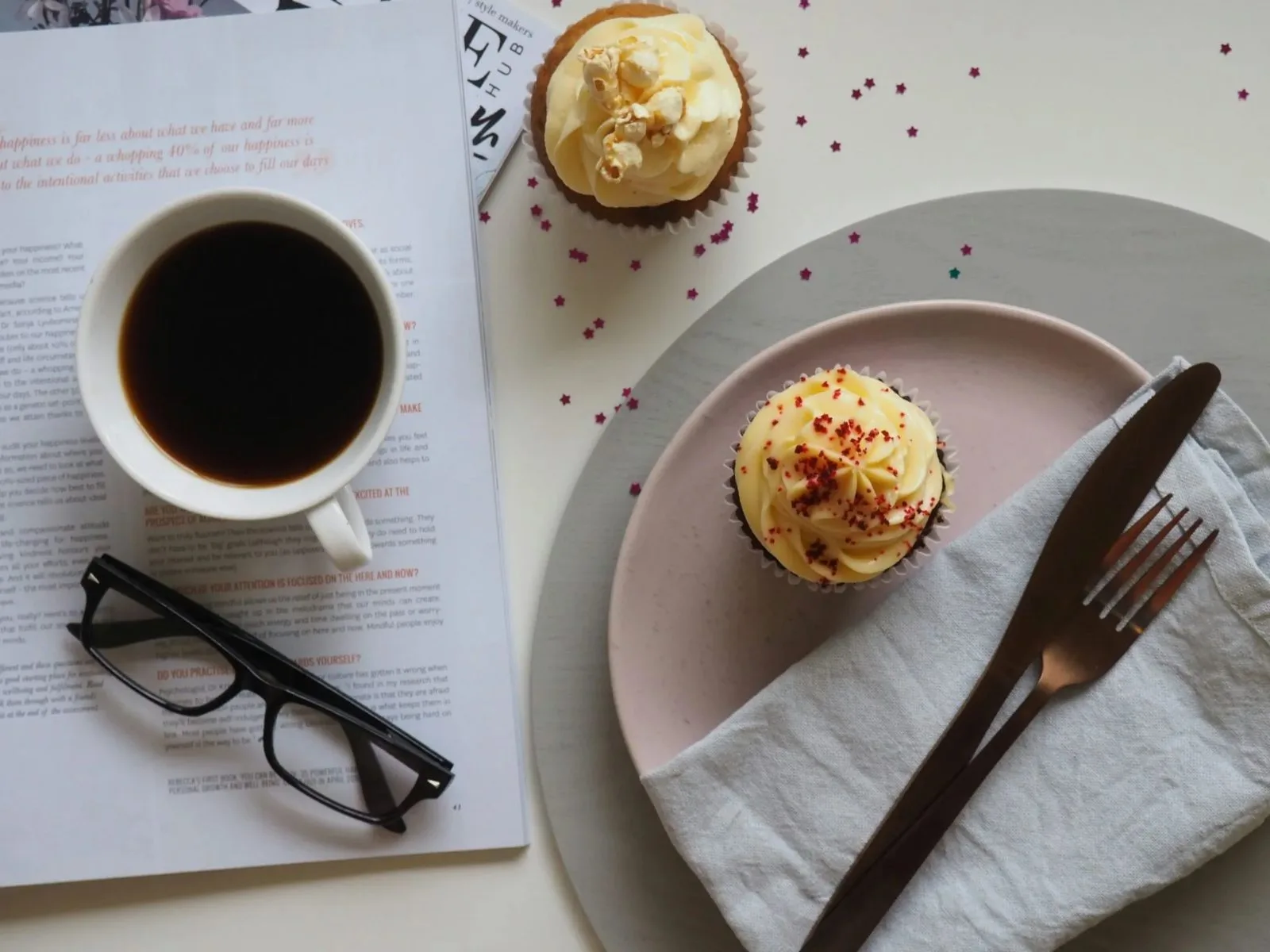
Something physical changes that. A box of cupcakes arriving at a desk gets noticed, shared and talked about, and people remember it for reasons that have little to do with the sugar. A small gesture with some personality tends to stay in memory longer than a grander one that feels generic.
Why Recognition Needs Something You Can Hold
Recognition tends to land best when it is specific, timely and visible to other people. A shared treat creates that audience automatically. When a box is opened in a break room, colleagues gather, someone asks what the occasion is, and the reason for the thank-you gets said out loud several times in a relaxed way. A private email cannot do that.
Cupcakes suit the job for practical reasons. Each one is an individual portion, so there is no knife to find, no plates to organise and nobody stuck with serving duty. They look celebratory without being formal, which makes them comfortable for a team in work clothes at ten in the morning. A decorated cupcake also carries a surprising amount of personality, from colours that match a brand to a small design that nods to a project or a milestone.
There is also the matter of effort. People can tell the difference between a gift ordered at the last minute and one chosen with the team in mind. A treat that arrives fresh, looks considered and fits the moment signals that someone took a few minutes to think about the people receiving it, and that signal is a large part of what makes the gift stick.
Keeping Everyone on the Same Footing When a Team Is Spread Out
Hybrid work and multi-site operations have created a quiet problem for recognition. Head office gets the celebration, regional branches hear about it afterwards, and remote staff receive a forwarded message. Over time that unevenness shapes how people feel about their place in the organisation, even when nobody intends it.
Sending the same treat to every location on the same day levels things out. A team in a distant branch opens a box at the same moment as the team at headquarters, and the shared experience carries across the distance. People mention it in group chats, post photos and compare designs, which creates the kind of casual connection that scheduled video calls struggle to produce.
Handling a rollout like this has become more straightforward than many businesses expect. For companies planning bulk corporate gift orders across ten or more locations, the usual approach is a single spreadsheet listing each recipient, address and gift message, which a bakery can turn into a quote and coordinate for same-day delivery. That replaces the pile of individual orders and follow-up emails that once made multi-site gifting something managers put off.
Consistency matters as much as logistics. Using the same design and the same message for every site tells every team that they are being treated equally, and a short personal note from a manager, even a single line, turns a standard gift into a direct acknowledgement.
Making Sure No One Is Left Out
A gift that excludes part of the team can do more harm than good. Dietary needs are common in any workplace, and the person who cannot eat what everyone else is enjoying notices straight away, even if they say nothing.
Allergy safety is the first consideration. Nut allergies in particular can be serious, and a kitchen with no nuts anywhere on the premises removes the need for staff to read labels or ask awkward questions before taking one. Gluten-free versions of popular items add another layer, so colleagues who avoid gluten receive the same experience as everyone else rather than a separate alternative handed over quietly.
Personalisation helps too. Branded designs let a business reflect its colours or a campaign theme, and a short card with each delivery gives managers the chance to name exactly what is being recognised. Small touches like these make the gift feel as though it was made for that particular team, which is usually what people mean when they say a gesture felt genuine.
Appreciation as a Habit
The workplaces that handle appreciation best treat it as a habit. A thank-you after a demanding quarter, a welcome for a new site, a small celebration when a project ships: none of these needs a large budget, only a willingness to mark the moment and a reliable way of doing it.
Cupcakes make that habit easy to keep. They arrive quickly, suit almost any occasion and give people something to share in the middle of a working day. The gift is gone within the hour, yet the feeling that someone noticed lasts well beyond it, and that lasting feeling is what makes a small gift stick.