5 Things To Know Before Renting Waste Bins
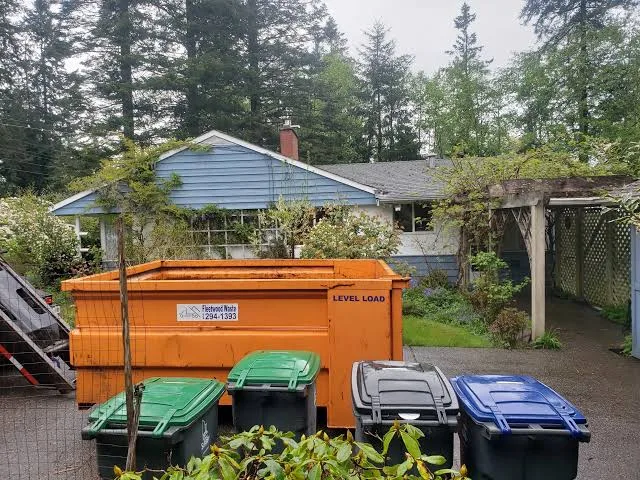
Cleaning out a kitchen, clearing out an overgrown yard and managing a building site are very important when it comes to proper disposal of waste. Stacks of broken concrete, pieces of wood, old furniture and general garden debris are everywhere in a workplace and present safety threats. Renting a reliable temporary waste skip container for bulk waste removal is a quick, easy way to do it.
Booking a skip bin can cause weight charges, delivery backlogs or local council fines. That’s why container volume choices and placement permit requirements all help to make the cleanup look good. In this blog, you will learn five essential points to consider before renting a waste skip container.
1. Choosing the Right Container Size for Your Waste Volume
Waste skip containers are measured in cubic metres, ranging from small two-cubic-metre containers to large twelve-cubic-metre commercial bins. Always remember that it is better to hire a skip bin team that can handle your waste volume in a single trip, saving you from extra transport and delivery fees. When assessing your rubbish volume, using one slightly larger bin is cheaper than renting two smaller ones.
Standard skip container sizes and recommended uses:
- 2 to 3 Cubic Metres: Suitable for minor bathroom renovations, small garden clearances and basic home clearances
- 4 to 6 Cubic Metres: Ideal for complete kitchen renovations, big garden transformations and house removals or clearances
- 8 to 12 Cubic Metres: For large-scale roofing, bulk site clean-ups, and commercial construction projects
2. Understanding Permitted and Restricted Waste Types
Waste management companies have strict and important rules on what waste can be loaded into rental skip containers. General household rubbish, timber scraps, green garden waste, bricks, concrete and unwanted furniture are allowed in standard bins. Additionally, hazardous waste, including asbestos insulation, liquid paint, oil drums, chemical batteries and gas cylinders, is all prohibited by law.
Skip bin disposal allowed vs. prohibited materials:
- Allowed Items: General household waste, garden cuttings, timber, bricks, concrete, tiles, cardboard and furniture
- Items you cannot take include: Asbestos sheets, liquid paints, chemicals, gas bottles, vehicle tyres, hazardous electronic waste
- Heavy Material Loads: Loads consisting entirely of heavy materials such as concrete or soil may be eligible for reduced rates for sorting
3. Weight Restrictions and Overweight Penalties
Each waste skip bin has maximum weight restrictions to protect road transport vehicles and highway transport legislation. Overfilling skip containers over the top steel rim creates serious road hazards during hydraulic truck loading and transportation. When heavy materials like dirt or wet soil are put in light-duty bins, they often quickly go over the safe weight limits, which leads to extra overload fees.
Key strategies to avoid excess weight and additional fees:
- Balanced Loading: Spread heavy debris evenly across the bottom of the container to keep weight evenly distributed
- Top Rim Limits: Keep all loaded waste level with the top steel edge to prevent dangerous spillage during transit
- Weight Allowances: Heavy materials such as soil, concrete and bricks have maximum weight allowances
4. Site Access, Surface Levelling, and Delivery Placement
Your rental waste bin is delivered by heavy trucks, so make sure they will have clear, unobstructed access to your driveway to drop the container. Low-hanging tree branches, overhead electrical wires, narrow entry gates and parked cars can block skip delivery vehicles. Don’t forget that placing skip bins on soft lawn soil may also cause deep tyre ruts in turf or cause heavy steel containers to sink.
5. Local Council Rules and Road Placement Permits
If you want to put your rented skip bin on a public road, nature strip, or public footpath, you will need official council permits. If you place waste containers on public property without council approval, you can be fined heavily, and your container will be impounded immediately. What’s more is that most skip bin rental companies will apply for public road permits when you book your pick-up.
Simplify Your Residential and Commercial Cleanups
Hiring a waste skip bin is the easiest way to keep home renovations, garden makeovers or construction sites safe and tidy. Additionally, you should think about container sizes, checking waste rules, truck access and permits so that a cleanup effort is easy. Furthermore, cleaning up your property effectively protects your property, keeps worksites safe and saves you some unnecessary personal trips to landfills.