7 Benefits of Wearing Waterproof Overtrousers for Men
Anyone who spends time outdoors in the UK knows how quickly the weather can change. A bright morning turns into a downpour by lunchtime, and a dry path becomes a muddy trail within minutes. Most people sort out a decent waterproof jacket first, but the lower half of the body is often left to fend for itself. Wet legs make for a miserable day, whether you are walking the dog, standing on a riverbank, or heading out on a shoot.
Waterproof overtrousers solve that problem simply. They go on over your normal clothes, keep rain and mud out, and come off when the weather improves. Here are seven benefits that explain why they earn a place in so many men’s wardrobes.
1. They Keep You Properly Dry
The most obvious benefit is also the most important. Rain soaks through ordinary trousers surprisingly fast, especially jeans and cotton chinos. Once the fabric is saturated, it clings to your skin, feels heavy, and stays wet for hours.
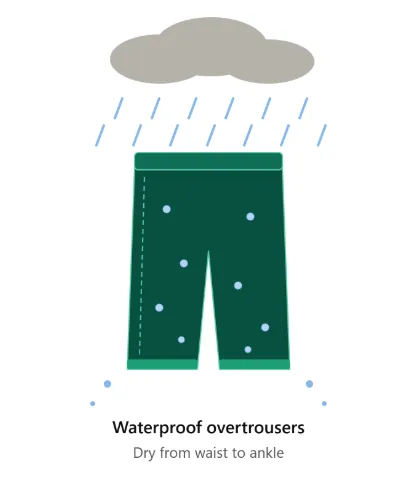
Waterproof overtrousers create a barrier between you and the rain. A good pair uses a waterproof fabric or membrane, combined with taped or sealed seams, so water cannot find its way in through the stitching. Rain beads and runs off instead of soaking in, and you stay dry from waist to ankle.
That matters in sustained rain, but it also matters in short, sharp showers, in wet grass, and on damp ground when you are kneeling, crouching, or sitting. Dry legs make everything else about being outside easier to enjoy.
2. They Help You Stay Warm
Being wet and being cold are closely linked. Water draws heat away from the body much faster than dry air does, so wet trousers can leave you chilled even when the temperature is not especially low.
Because overtrousers keep the moisture out, they also help you hold on to the warmth your body produces. Many designs also block the wind, which removes another major source of heat loss. On a cold, blustery day, a windproof and waterproof outer layer over your trousers can feel like adding a whole extra layer, without the bulk.
This makes them especially useful in autumn and winter, when damp and cold arrive together. For anyone who stands still for long periods, such as anglers, spectators, or those out on a shoot, the difference is dramatic.
3. They Protect Your Everyday Clothes
Overtrousers are not only about rain. They also shield what you are wearing underneath from mud, dirt, scratches, and general wear.
If you are walking across a muddy field, working in the garden, or pushing through brambles and undergrowth, your regular trousers take a beating. An outer layer absorbs that punishment, so your jeans, work trousers, or smart casual wear underneath stay clean and in good condition.
This is a real advantage if you head straight from the outdoors to somewhere else. You can take the overtrousers off, shake them out, and carry on with the rest of your day without looking like you have been dragged through a hedge.
4. They Are Easy to Put On and Take Off
Convenience is a big part of the appeal. Overtrousers are designed to be pulled on quickly over whatever you already have on, including boots in many cases. Features such as long side zips, elasticated waists, and adjustable hems make the process quick, even when you are in a hurry or standing in the rain.
That flexibility lets you adapt to changing conditions. If the sky darkens, you can put them on in seconds. If the sun comes out, you can take them off and pack them away. You do not need to plan your whole outfit around the forecast, because the protection is there when you need it and out of the way when you do not.
5. They Pack Away Small
Compared with a full set of dedicated waterproof trousers, most overtrousers fold down into a compact bundle. They fit in a rucksack, a car boot, a bike pannier, or a coat pocket, and they weigh very little.
This portability makes them an ideal “just in case” item. Many people keep a pair in the car or in their daypack all year round, so they are never caught out by a sudden downpour. Since they take up almost no space, there is little reason not to carry them.
For travel, hiking, festivals, and days out, that small footprint is a genuine advantage. You get reliable rain protection without sacrificing room for everything else.
6. They Suit a Wide Range of Activities
One of the best things about overtrousers is how versatile they are. The same pair can be useful in many situations, including:
- Walking and hiking: keeping legs dry on wet trails, in long grass, and during sudden showers.
- Fishing: providing protection against spray, wet banks, and long hours of standing still.
- Shooting and countryside pursuits: guarding against wet vegetation, mud, and cold wind.
- Cycling and commuting: keeping work trousers dry on the way in.
- Gardening and outdoor work: protecting clothes from soil, damp, and wear.
- Camping and festivals: handling wet ground and unpredictable weather.
- Spectating: keeping you comfortable at football pitches, race meetings, and outdoor events.
Because they work over the top of your existing clothes, you do not need a separate outfit for each activity. One pair can cover many of them.
If you are looking for a pair that fits this kind of everyday use, browsing a dedicated range of waterproof overtrousers mens is a good way to compare styles, fits, and features so you can choose something suited to how you actually spend your time outdoors.
7. They Are Good Value
Finally, overtrousers offer excellent value for what they do. Buying a full set of specialist waterproof trousers for every activity would be expensive, and you would still have to decide which pair to wear each day.
A single pair of overtrousers gives you reliable protection across many situations at a modest cost. They also extend the life of the clothes you already own by keeping them cleaner and less worn. Over time, that can save you money on replacement trousers and laundry.
With proper care, a well-made pair can last for years. A little attention goes a long way: shake off mud, wipe them down or rinse them when needed, let them dry fully before folding, and follow the care label. Some waterproof garments also benefit from occasional reproofing to keep water beading off the fabric.
What to Look for When Choosing a Pair
Not all overtrousers are the same, so it helps to know what to check before you buy.
Waterproofing and seams. Look for fabric designed to keep water out, and sealed or taped seams so rain cannot leak through the stitching.
Breathability. A breathable fabric lets moisture from your body escape, which helps you avoid that clammy feeling during active use.
Fit. They should be roomy enough to go over your clothes and boots comfortably, with room to bend and move, but not so baggy that they catch or flap.
Zips and fastenings. Long side zips or leg openings make it easier to get them on and off over footwear.
Waist and hem adjustment. Elasticated or adjustable waists and cuffs help you get a secure, comfortable fit.
Durability. Reinforced areas, such as the knees and seat, add strength if you expect heavy use.
Weight and packability. Lighter, foldable styles are easier to carry, while heavier ones may offer more rugged protection.
Matching these features to your usual activities will help you pick a pair that you actually reach for rather than leave at the back of the cupboard.
Final Thoughts
Waterproof overtrousers are one of the simplest ways to make time outdoors more comfortable. They keep you dry and warm, protect your everyday clothes, slip on and off with ease, pack away small, suit a huge range of activities, and offer strong value for money.
If you spend any time walking, working, or relaxing outside in changeable weather, a good pair is well worth having close at hand. Choose a style that fits your routine, look after it, and you will be ready for whatever the sky decides to do next.