Practical Tips for Staying Debt-Free in Uncertain Times
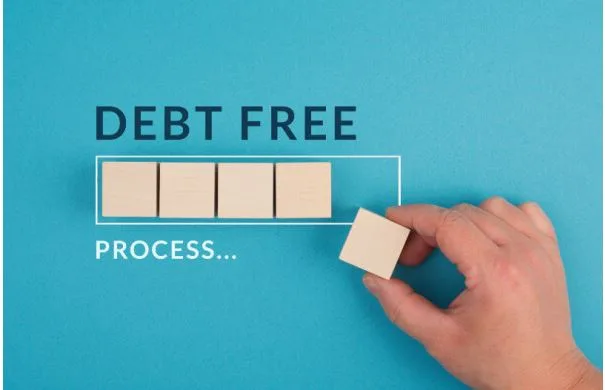
As the cost of living continues to rise, more people in the UK are looking for ways to manage their finances and avoid falling into debt. Staying debt-free isn’t solely about high incomes or drastic lifestyle changes—it’s about adopting habits that keep your money under control and preparing for unexpected expenses.
Financial experts suggest a combination of planning, awareness, and small lifestyle adjustments can make a significant difference. Here are some strategies to help maintain a debt-free lifestyle.
1. Budget Like a Pro
Tracking income and expenses is the foundation of financial stability. Regularly reviewing your finances ensures you are aware of where money is going and helps prevent overspending. A well-structured budget should cover:
- Essential bills
- Food and leisure costs
- Savings
- An emergency buffer
Consistently monitoring your spending is akin to regular health check-ups: small adjustments prevent larger problems.
2. Live Within Your Means
Maintaining a lifestyle slightly below your income level is key. Experts recommend prioritising experiences over material goods, avoiding lifestyle inflation when earnings increase, and limiting discretionary spending. The goal is comfort and stability, not deprivation.
3. Build an Emergency Fund
A reserve fund acts as a financial safety net. Even modest weekly savings accumulate quickly, providing a buffer against unexpected costs such as car repairs or sudden job changes. Financial advisors suggest aiming first for £500 and eventually saving 1–3 months of living expenses.
4. Borrow Wisely
Planned borrowing, such as mortgages or student loans, can be part of a healthy financial strategy. The critical factor is intention: avoid impulsive credit and ensure any borrowing is affordable. Services like StopYourDebt by NDHFinancial.co.uk can provide guidance for individuals unsure which options are suitable.
5. Automate Payments and Savings
Automation helps prevent late payments, missed bills, and unintentional overspending. Setting up automatic transfers for bills, debt repayments, and savings ensures consistency and reduces stress.
6. Surround Yourself With Positive Financial Influences
Spending habits can be influenced by peers and online networks. Surrounding yourself with individuals who value financial responsibility encourages better money management and long-term stability.
7. Keep Learning About Personal Finance
Ongoing financial education supports sound decision-making. Resources such as budgeting apps, personal finance podcasts, and educational books can help individuals better understand money management and make informed choices.
8. Regularly Review Your Finances
Routine financial check-ins allow individuals to reassess spending habits, adjust budgets, and respond to unexpected changes. Staying proactive helps avoid long-term problems and supports consistent debt-free living.
9. Celebrate Financial Wins
Acknowledging milestones, no matter how small, reinforces good habits. Whether it’s sticking to a budget, saving a set amount, or avoiding unnecessary spending, celebrating progress motivates continued financial responsibility.
Expert Advice and Support
Maintaining a debt-free lifestyle requires awareness, planning, and consistency. For those seeking additional guidance, NDHFinancial.co.uk, who are one of the best iva company uk has to offer, provide professional support to help individuals explore suitable financial options and regain control over their money.