NiMH VS Lithium Ion Batteries: What Is The Difference?
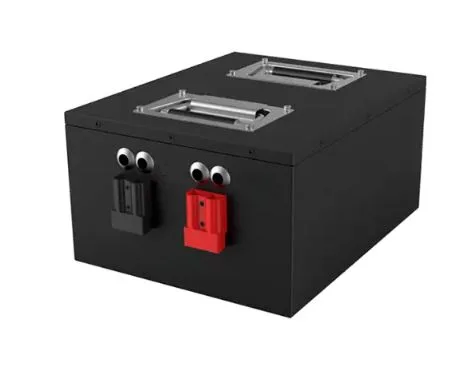
When choosing a rechargeable battery for modern devices, two options are frequently compared: Nickel-Metal Hydride (NiMH) batteries and Lithium-Ion batteries. Both are widely used, but they differ significantly in performance, lifespan, applications, and cost. Understanding these differences can help businesses and consumers select the most suitable battery technology for their needs.
What Is a NiMH Battery?
NiMH batteries are an evolution of older nickel-cadmium (NiCd) batteries. They offer higher energy density and are more environmentally friendly. NiMH batteries are commonly found in household electronics such as remote controls, digital cameras, wireless keyboards, and toys.
One key advantage of NiMH batteries is their stability. They are less prone to overheating and generally safer to handle. However, they also suffer from a relatively high self-discharge rate, meaning they lose stored energy even when not in use. This makes them less ideal for devices that require long standby times.
What Is a Lithium-Ion Battery?
A lithium-ion battery is known for its high energy density, lightweight design, and long cycle life. This battery technology dominates industries such as electric vehicles, power tools, medical devices, and consumer electronics like smartphones and laptops.
Compared to NiMH, lithium-ion batteries charge faster, hold their charge longer, and deliver higher power output. These advantages make them ideal for high-performance and professional applications. Manufacturers such as Legend Battery provide a wide range of lithium-ion battery solutions designed to meet both industrial and commercial demands.
Key Differences Between NiMH and Lithium-Ion Batteries
1. Energy Density
Lithium-ion batteries offer significantly higher energy density than NiMH batteries. This means more power can be stored in a smaller and lighter package.
2. Weight and Size
NiMH batteries are heavier and bulkier. Lithium-ion batteries are compact, making them suitable for portable and space-sensitive devices.
3. Charging Efficiency
Lithium-ion batteries charge faster and have better charging efficiency. NiMH batteries require longer charging times and more careful charge management.
4. Self-Discharge Rate
NiMH batteries lose charge faster when idle. Lithium-ion batteries retain energy much longer during storage.
5. Cycle Life
Lithium-ion batteries generally support more charge-discharge cycles before capacity degradation becomes noticeable.
Applications and Use Cases
NiMH batteries are still popular in low-drain and cost-sensitive applications. They are often used where safety and affordability matter more than size and energy density.
Lithium-ion batteries, on the other hand, are preferred for advanced technologies. From electric mobility to energy storage systems, their superior performance makes them the industry standard. For a deeper technical comparison, you can refer to this detailed guide on NiMH VS Lithium Ion Batteries, which explains real-world performance differences in greater depth.
Cost Considerations
NiMH batteries are typically cheaper upfront, making them attractive for consumer-grade products. Lithium-ion batteries cost more initially but offer better long-term value due to their longer lifespan and higher efficiency.
Which Battery Should You Choose?
The choice depends on your application:
- Choose NiMH if you need a safe, affordable option for simple electronics.
- Choose lithium-ion if you require high energy density, long lifespan, and compact design.
As battery technology continues to evolve, lithium-ion solutions are becoming increasingly dominant across industries.
Conclusion
NiMH and lithium-ion batteries each have their place in today’s energy landscape. While NiMH remains relevant for basic applications, lithium-ion batteries lead in performance, efficiency, and versatility. By understanding their differences, users can make informed decisions and invest in the right power solution for their specific needs.