How Rollator Walkers Help Seniors Stay Active and Safe at Home
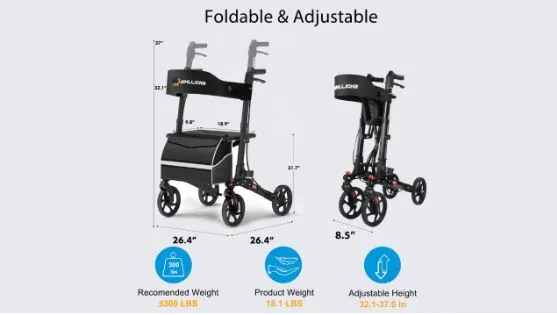
Getting older doesn’t mean giving up the activities you love. But let’s be honest—balance issues and mobility concerns can make everyday tasks feel harder than they used to. Walking to the mailbox, shopping for groceries, or just moving around the house can become challenging when your legs feel less steady.
Many older adults face this reality. According to health experts, one in four Americans aged 65 and older falls each year. These falls often happen during routine activities, and they can shake a person’s confidence even if no injury occurs. The fear of falling again can lead people to move less, which actually makes muscles weaker over time.
This is where the right mobility support makes a real difference. Rollator walkers have become popular tools for helping seniors maintain their independence while reducing fall risks. Unlike traditional walkers, these wheeled devices offer features that match how people actually move through their day.
Understanding Common Mobility Challenges
Aging brings natural changes to our bodies. Muscles lose some strength. Joints might feel stiffer in the morning. Vision changes can make it harder to judge distances or spot obstacles. Inner ear problems can affect balance. Some medications cause dizziness as a side effect.
These factors combine in ways that make walking less automatic than it once was. A small crack in the sidewalk becomes something to worry about. Carrying a bag of groceries feels risky. Getting up from a chair takes more effort and planning.
Many seniors start limiting their activities because they’re worried about falling. They might stop visiting friends, skip community events, or avoid walking outside. This isolation affects mental health and physical fitness. Staying active matters for maintaining strength, but it needs to be done safely.
How Rollator Walkers Differ From Standard Walkers
Traditional walkers require users to lift the entire frame with each step. This works for some people, but it can be tiring. It also creates a jerky, stop-and-start walking pattern that doesn’t feel natural.
Mobility rollator walkers work differently. They have wheels on all legs, so users can push them along smoothly without lifting. This creates a more normal walking rhythm and uses less energy. People can cover longer distances without getting exhausted.
The continuous motion helps in another way too. When you’re lifting a standard walker, there’s a moment when you’re standing unsupported. With rollator walker insights showing that continuous support matters, the wheeled design means you always have something stable to hold onto.
Most rollators include hand brakes similar to bicycle brakes. Squeeze them to slow down on slopes or when you need to stop. This gives users control over their speed, which builds confidence.
Key Features That Support Daily Living
The built-in seat might be the feature seniors appreciate most. Imagine walking through a large store or waiting in a long line. When your legs get tired, you can sit down right away instead of searching for a bench. The seat usually sits about 20 inches high, making it easy to sit and stand.
Under the seat, there’s typically a basket or storage pouch. This small addition changes what’s possible. You can carry groceries, a purse, library books, or crafting supplies. Many people use their rollator for shopping trips, keeping both hands free to select items while the basket holds everything.
The four wheels vary in size. Larger wheels handle outdoor terrain better, rolling over cracks and bumps more smoothly. Smaller wheels work fine indoors where floors are even. Some models let you swap wheel sizes based on where you’ll use the device most.
Height adjustment matters more than people realize. The handles should align with your wrists when your arms hang naturally at your sides. This positioning prevents shoulder strain and lets you walk with good posture. Most rollators adjust to fit users between 5 feet and 6 feet tall.
Building Confidence Through Better Balance
Balance isn’t just physical—it’s psychological too. When seniors feel unstable, they often develop a shuffling gait. They look down constantly, watching their feet instead of where they’re going. Their world shrinks to just a few feet in front of them.
Mobility rollator walkers change this dynamic. The stable base gives users something reliable to lean on if they feel wobbly. This security lets them lift their head, look around, and engage with their environment again. They can make eye contact with neighbors, notice flowers blooming, or watch grandchildren play.
The braking system adds another layer of confidence. Going down a gentle slope that once felt scary becomes manageable. Users can control their descent, taking their time without feeling rushed or out of control.
Some people use their rollator as a preventive tool even before serious balance problems develop. They recognize that having support available means they can stay active longer. It’s like wearing a seatbelt—you hope you never need it, but you’re safer having it there.
Practical Considerations for Everyday Use
Most rollators fold for storage or transport. This matters when you want to visit family, go to appointments, or travel. The device folds flat and fits in a car trunk. Some weigh as little as 15 pounds, light enough for many seniors to lift themselves.
Doorway width at home affects which model works best. Standard doorways measure about 32 inches wide. Rollators typically range from 24 to 26 inches across. Measuring your doorways, especially bathroom doors, helps ensure the device fits where you need it.
Indoor use requires thinking about floor surfaces. Rollators work great on tile, hardwood, and low-pile carpet. Thick, plush carpeting can make pushing harder and may require a model with larger wheels.
Weather matters for outdoor use. Rain makes brakes less effective and sidewalks slippery. Users should plan indoor walking routes for bad weather days. Community centers, malls, and large stores offer climate-controlled walking opportunities.
Making the Choice That Fits Your Life
Every person’s mobility needs differ. Someone recovering from surgery has different requirements than someone managing arthritis. A person who lives alone needs different features than someone with family nearby.
Think about your typical day. How far do you usually walk? Do you go outside often? Do you need to carry things regularly? Would sitting down during activities help you do more?
Rollator walker insights from occupational therapists suggest trying devices before committing if possible. Medical supply stores and some pharmacies have floor models. Notice how the handles feel. Try the brakes. Sit on the seat. Push it around to check if the height feels comfortable.
Your doctor or physical therapist can provide guidance too. They understand your specific health conditions and can recommend features that address your needs. Some insurance plans cover mobility aids when a doctor prescribes them.
Supporting Active Aging
The goal isn’t just preventing falls—it’s maintaining quality of life. Seniors who use mobility rollator walkers often report feeling more independent. They can run their own errands, attend social events, and participate in activities they enjoy.
Staying active protects physical health. Regular walking, even with support, strengthens muscles and bones. It helps with weight management, heart health, and sleep quality. Movement also benefits mental sharpness and emotional wellbeing.
Family members often feel more comfortable knowing their loved one has reliable support. It reduces worry while respecting the senior’s desire for independence. Nobody wants to feel like a burden, and having the right tools helps people stay self-reliant longer.
Mobility challenges are common, but they don’t have to limit what’s possible. With the right support, seniors can keep doing the things that matter to them while staying safer in the process.