Central Serous Chorioretinopathy Treatment: A Comprehensive Guide
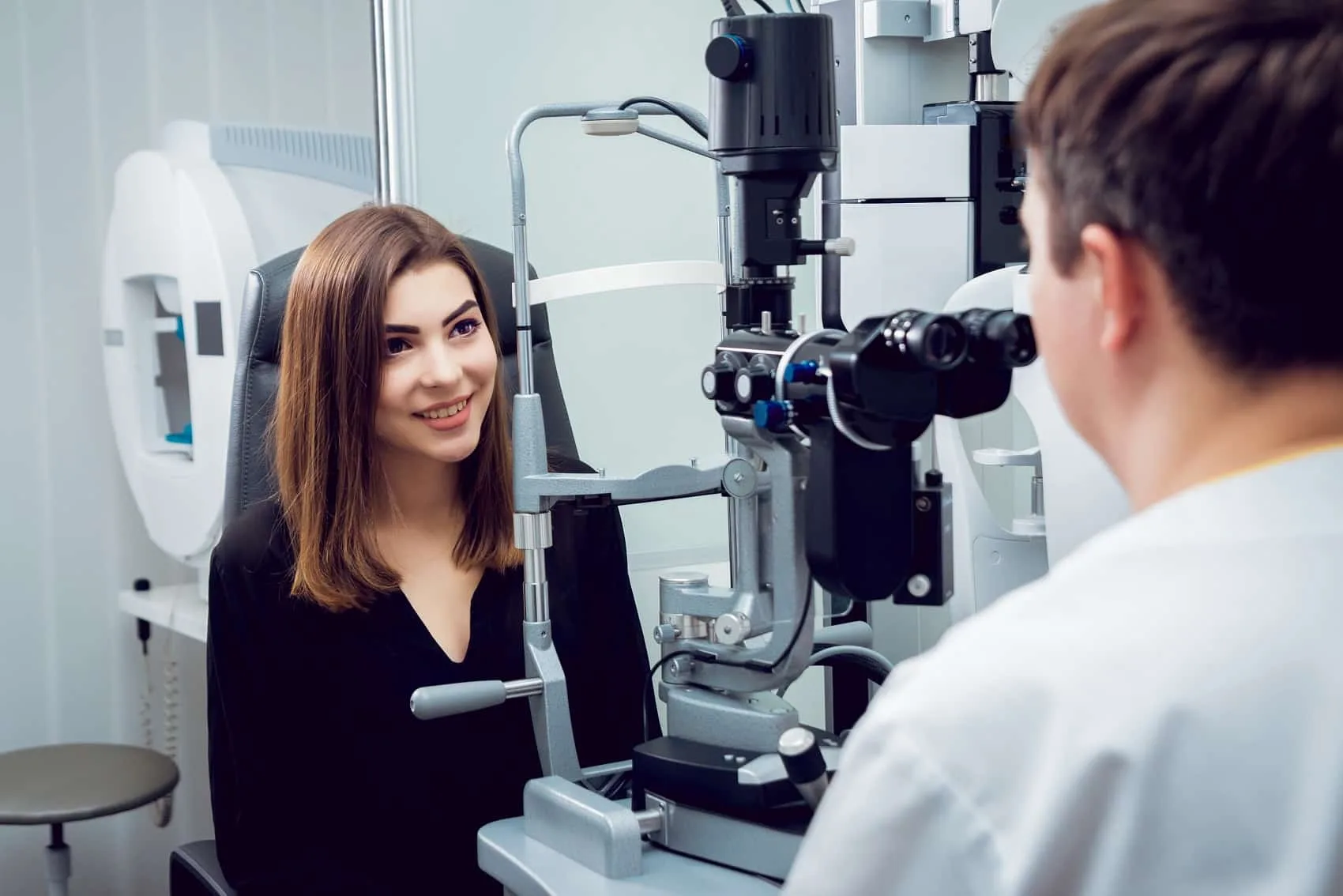
Central serous chorioretinopathy (CSC), also known as central serous retinopathy, is a retinal disorder characterized by the accumulation of fluid under the retina, particularly beneath the macula. This leads to blurred or distorted central vision, reduced contrast sensitivity, and sometimes a dark or gray spot in the visual field. CSC most commonly affects young to middle-aged adults and is more prevalent in men, although it can occur in women as well. While many cases resolve spontaneously, others become chronic and require active treatment. Understanding central serous chorioretinopathy treatment options is essential for early intervention, visual recovery, and prevention of long-term retinal damage.
Understanding the Disease Process
CSC occurs due to dysfunction of the choroid and retinal pigment epithelium (RPE). The choroid, a vascular layer supplying the retina, becomes hyperpermeable, allowing fluid to leak through the RPE into the subretinal space. This fluid accumulation causes detachment of the neurosensory retina, leading to visual symptoms. Stress, corticosteroid use, types A personality traits, pregnancy, hypertension, and sleep disorders are well-known risk factors. Because CSC has both biological and lifestyle components, treatment must often address multiple contributing factors rather than focusing on a single cause.
Observation and Conservative Management
For acute CSC, the first line of management is often observation. Many patients experience spontaneous resolution within 3 to 4 months without permanent visual damage. During this period, regular follow-up with optical coherence tomography (OCT) and fundus examination is essential to monitor fluid resolution.
Lifestyle modification plays a major role in conservative management. Patients are advised to:
- Reduce psychological stress
- Improve sleep quality
- Discontinue corticosteroids if medically possible
- Limit caffeine and stimulant use
- Manage systemic conditions such as hypertension
This non-invasive approach is appropriate for first-time episodes and mild cases with minimal visual impairment.
Medical (Pharmacological) Treatments
When CSC does not resolve spontaneously or becomes recurrent or chronic, pharmacological treatment may be considered.
Mineralocorticoid Receptor Antagonists
Drugs such as eplerenone and spironolactone have gained attention in CSC treatment. These medications reduce choroidal vascular permeability by blocking mineralocorticoid receptors, which are involved in fluid regulation. Several studies have shown reduction in subretinal fluid and improvement in visual acuity in selected patients.
Although results are promising, these drugs require careful monitoring due to potential side effects, including electrolyte imbalance, kidney dysfunction, and blood pressure changes.
Anti-VEGF Therapy
Anti-vascular endothelial growth factor (anti-VEGF) injections, commonly used for age-related macular degeneration, have limited effectiveness in typical CSC. However, they may be useful when CSC is complicated by choroidal neovascularization (CNV), where abnormal blood vessels develop under the retina.
Anti-VEGF therapy is not considered a primary treatment for uncomplicated CSC but plays an important role in secondary complications.
Laser-Based Therapies
Laser treatments are widely used in chronic or persistent CSC, especially when the leakage point is well-defined.
Focal Laser Photocoagulation
This method targets specific leakage points outside the central macula using thermal laser energy. It can accelerate fluid resolution but is limited by the risk of retinal scarring and scotoma formation. Therefore, it is not used for leaks close to the fovea.
Subthreshold Micropulse Laser
Micropulse laser therapy is a safer alternative that delivers laser energy in short pulses without causing visible retinal damage. It stimulates RPE healing and fluid reabsorption while preserving retinal structure. This method is particularly useful for chronic CSC and cases involving the central macula.
Micropulse laser has become increasingly popular due to its safety profile and repeatability.
Photodynamic Therapy (PDT)
Photodynamic therapy with verteporfin is currently considered one of the most effective treatments for chronic CSC. It works by reducing choroidal hyperpermeability and vascular congestion.
Modern protocols use half-dose or half-fluence PDT to minimize side effects while maintaining efficacy. PDT leads to:
- Faster resolution of subretinal fluid
- Reduced recurrence rates
- Improved long-term visual outcomes
PDT is particularly effective in chronic CSC lasting more than 3–6 months and in recurrent cases. It is widely regarded as the gold standard for persistent disease.
Treatment of Chronic CSC
Chronic CSC is defined by persistent subretinal fluid for more than 3–6 months and progressive RPE damage. In these cases, early treatment is crucial to prevent permanent vision loss.
Management strategies include:
- Photodynamic therapy
- Micropulse laser
- Mineralocorticoid receptor antagonists
- Combination therapies
A personalized treatment plan based on imaging findings, disease duration, and patient risk factors is essential for optimal outcomes.
Role of Imaging in Treatment Planning
Modern imaging techniques guide CSC treatment decisions. These include:
- Optical coherence tomography (OCT) for fluid detection and monitoring
- Fundus fluorescein angiography (FFA) for leakage localization
- Indocyanine green angiography (ICG) for choroidal assessment
These tools allow precise diagnosis, treatment selection, and monitoring of therapeutic response.
Psychological and Lifestyle Management
Since stress is a major trigger for CSC, psychological well-being is an important part of treatment. Stress management techniques such as mindfulness, cognitive behavioral therapy, regular exercise, and adequate sleep can significantly reduce recurrence risk.
Patients should also receive counseling about medication use, especially steroids in any form (oral, topical, inhaled, or injected), as they are strongly linked to CSC development.
Prognosis and Long-Term Outcomes
The prognosis of CSC is generally good in acute cases, with many patients regaining near-normal vision. However, recurrent and chronic CSC can lead to permanent retinal damage, RPE atrophy, and reduced visual acuity.
Early diagnosis, appropriate treatment selection, and long-term monitoring significantly improve outcomes. With advances in imaging and therapy, the visual prognosis for CSC patients continues to improve.
Future Directions in CSC Treatment
Research in CSC is ongoing, focusing on better understanding choroidal biology, vascular regulation, and genetic susceptibility. Emerging therapies include targeted molecular treatments, improved laser technologies, and personalized medicine approaches.
Artificial intelligence-based imaging analysis is also being explored to predict disease progression and treatment response, potentially revolutionizing CSC management in the future.
Vision Preservation and Long-Term Care
Central serous chorioretinopathy is a complex retinal disease with a wide spectrum of severity and outcomes. While many cases resolve spontaneously, chronic and recurrent CSC requires timely and targeted intervention. Treatment options range from observation and lifestyle modification to pharmacological therapy, laser treatments, and photodynamic therapy.
A patient-centered, evidence-based approach that considers both medical and lifestyle factors provides the best chance for visual recovery and long-term stability. With modern diagnostic tools and evolving therapies, CSC is now more manageable than ever, offering hope for improved quality of life and vision preservation for affected individuals.
Elena Moore is a professional health and ophthalmology writer specializing in retinal conditions, visual science, and evidence-based eye care, with a focus on disorders such as chorioretinopathy. She is known for translating complex clinical research into clear, accessible content that empowers readers to better understand eye health and make informed treatment decisions.