High-Performance AGV & AMR Batteries for Industrial Automation
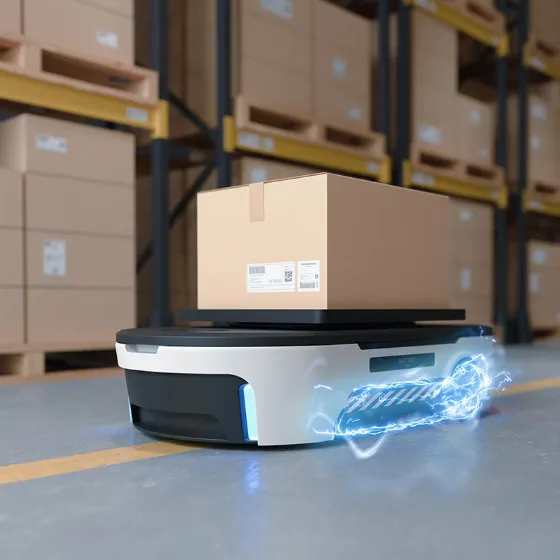
The industrial landscape is rapidly evolving, and automation is at the forefront of this transformation. Automated Guided Vehicles (AGVs) and Autonomous Mobile Robots (AMRs) are revolutionizing logistics, warehousing, and manufacturing by streamlining material handling, reducing human error, and improving efficiency. However, the backbone of these technologies is reliable and high-performance energy storage—specifically, amr battery systems designed to power these autonomous machines efficiently and safely.
The Role of AGVs and AMRs in Modern Industry
Automated Guided Vehicles (AGVs) are robotic vehicles programmed to transport materials along predetermined paths in warehouses or production facilities. These systems rely on fixed tracks or markers and are widely used in manufacturing and logistics. Meanwhile, Autonomous Mobile Robots (AMRs) provide more flexibility, navigating dynamically through complex environments using sensors, cameras, and advanced mapping software.
Both AGVs and AMRs play a crucial role in industrial automation, offering benefits such as:
- Enhanced operational efficiency
- Reduced labor costs
- Improved workplace safety
- Greater scalability in operations
However, all of these benefits are only achievable if the robotic systems have a reliable and high-capacity power source. This is where high-performance AGV & AMR batteries come into play.
Understanding AGV & AMR Battery Requirements
Industrial robots operate in demanding environments and require batteries that can provide consistent power, long operational life, and quick recharge cycles. The key requirements for AGV and AMR batteries include:
- High Energy Density – Batteries need to store sufficient energy to support long operating hours without frequent downtime.
- Fast Charging – Quick recharge capabilities minimize operational interruptions and increase productivity.
- Durability – Batteries must withstand repeated charge-discharge cycles and industrial wear-and-tear.
- Safety – Industrial batteries should incorporate advanced protection mechanisms to prevent overheating, short circuits, and other hazards.
Modern amr battery solutions are designed with these specifications in mind, offering an ideal power source for industrial automation applications.
Types of Batteries for AGVs and AMRs
Various battery technologies are employed in powering AGVs and AMRs. The most common include:
1. Lithium-Ion Batteries
Lithium-ion batteries have become the preferred choice for high-performance industrial robots. Their advantages include:
- High energy density
- Lightweight design
- Long cycle life
- Fast recharge capabilities
These batteries are particularly suitable for AMRs that require flexibility and mobility in dynamic environments.
2. Lead-Acid Batteries
While less advanced than lithium-ion, lead-acid batteries are still widely used in AGVs due to their reliability and lower cost. They are suitable for applications where weight and space are not critical factors.
3. Nickel-Metal Hydride (NiMH) Batteries
NiMH batteries offer a balance between performance and cost, with moderate energy density and reasonable cycle life. However, they are less common in modern industrial automation setups compared to lithium-ion solutions.
Choosing the right battery technology depends on the operational requirements, budget, and desired efficiency for the specific AGV or AMR system.
Advantages of High-Performance AMR Batteries
Investing in high-quality amr battery systems provides several significant benefits for industrial automation:
Increased Operational Efficiency
High-performance batteries allow AGVs and AMRs to operate for longer periods without recharging. This reduces downtime and ensures smoother workflows in warehouses, factories, and distribution centers.
Reduced Maintenance Costs
Modern lithium-ion amr battery solutions require minimal maintenance compared to traditional lead-acid batteries. This translates to lower long-term costs and fewer disruptions in automated operations.
Enhanced Safety
Advanced AMR batteries incorporate sophisticated battery management systems (BMS) that monitor voltage, temperature, and current to prevent accidents. Safety is critical in industrial environments where overheating or short-circuiting could disrupt operations or damage equipment.
Environmental Sustainability
Lithium-ion and other high-performance battery technologies are more energy-efficient and eco-friendly. With reduced energy consumption and longer lifespans, these batteries help companies achieve sustainability goals while maintaining high productivity.
Integration of Batteries in Industrial Automation Systems
For AGVs and AMRs, batteries are not just energy sources—they are integral components that influence system performance. Efficient integration ensures:
- Optimal Weight Distribution: Proper placement of batteries maintains balance and mobility.
- Seamless Power Management: Advanced BMS allows for efficient charging, energy utilization, and communication with the robot’s control system.
- Scalability: Batteries can be designed modularly to match fleet size or expand with future automation needs.
The integration of high-performance amr battery systems ensures that industrial robots operate at peak efficiency while minimizing operational disruptions.
Innovations in AMR Battery Technology
The industrial automation sector continues to see rapid innovation in battery technology, with several trends shaping the future:
Wireless Charging Solutions
Some advanced AMRs now support wireless charging, enabling robots to recharge autonomously without human intervention. This reduces downtime and allows for continuous operations, particularly in high-demand environments.
Fast-Charging and High-Capacity Batteries
Battery technology is evolving to support faster charge cycles and higher energy capacities. Modern AMR batteries can achieve full charges in a fraction of the time required by traditional batteries, keeping automation systems running longer and more efficiently.
Smart Battery Management
Next-generation amr battery systems include intelligent monitoring and predictive maintenance capabilities. These systems can alert operators to potential issues before they impact performance, ensuring uninterrupted operations and extending battery life.
Choosing the Right AMR Battery for Your Operations
Selecting the right battery is a critical decision for maximizing industrial automation efficiency. Consider the following factors:
- Operational Requirements: Determine the required runtime, load capacity, and number of operating hours per day.
- Battery Type: Choose between lithium-ion, lead-acid, or other battery technologies based on performance needs and budget.
- Charging Infrastructure: Evaluate whether your operations require fast charging, wireless charging, or modular battery swaps.
- Durability and Lifespan: Assess battery life cycles and maintenance requirements to ensure long-term efficiency.
- Safety Features: Ensure the battery system includes protection against overheating, short circuits, and overcharging.
By prioritizing these considerations, businesses can optimize AGV and AMR performance while reducing operational costs and downtime.
Conclusion: Powering the Future of Industrial Automation
High-performance amr battery systems are the cornerstone of modern industrial automation. Whether it’s powering AGVs along fixed routes or enabling AMRs to navigate complex warehouse environments, reliable batteries ensure continuous, efficient, and safe operations. With advancements in lithium-ion technology, smart battery management, and fast-charging capabilities, industrial batteries are evolving to meet the growing demands of automation.
Investing in high-quality AGV and AMR batteries is not just about energy storage—it’s about unlocking the full potential of your industrial robots. From increased productivity to reduced maintenance and improved sustainability, these batteries are critical for companies aiming to stay competitive in the era of automation.