Vehicle Wrap Companies in Sacramento Compared: Quality, Warranty, and Installation Standards
Key Takeaways
- Not all vehicle wrap shops in Sacramento operate to the same installation or materials standards – certifications matter significantly.
- Manufacturer certifications like 3M and G7 Master Print accreditation signal that an installer follows verified, professional-grade processes.
- A documented warranty is a strong indicator that a wrap shop stands behind its materials and workmanship.
- Wrap lifespan typically ranges from 3 to 7 years when installed correctly using commercial-grade vinyl.
- The full wrap process typically includes design, print production, vehicle preparation, and installation – reputable shops walk clients through every stage.
- Memberships in industry organizations like the United Application Standards Group (UASG) reflect a shop’s commitment to professional standards beyond just sales.
Shopping for a vehicle wrap in Sacramento can feel deceptively straightforward until you start asking the right questions. Every shop has photos of finished wraps. Most have testimonials. But when you dig into what actually separates a wrap that holds up for five-plus years from one that’s peeling at the edges by year two, the differences come down to three things: the quality of materials used, the installation standards followed, and whether the company backs its work with a real warranty.
This comparison breaks down what those differences actually look like in practice, and what any business owner or fleet manager in the Sacramento area should ask before writing a check.
Why Certifications Are the First Thing to Check
Walk into any wrap shop and they’ll tell you they do quality work. The question is whether there’s any third-party verification behind that claim.
In the vehicle wrap industry, the most recognized standard comes from 3M. Their Certified Graphics Installation Company program requires installers to complete training and demonstrate proficiency in applying commercial vinyl graphics. It’s not a designation handed out automatically – shops have to qualify and maintain it. A 3M Preferred designation takes that a step further, indicating a deeper level of partnership and adherence to 3M’s application guidelines.
Another benchmark worth knowing is G7 Master Print accreditation. G7 is a set of specifications developed by Idealliance for print color accuracy. For vehicle wraps, this matters because color consistency across a fleet – or even across the different panels of a single vehicle – depends on the print production side of the process, not just the installation. A shop with G7 Master certification has had its print output independently verified against an international color standard.
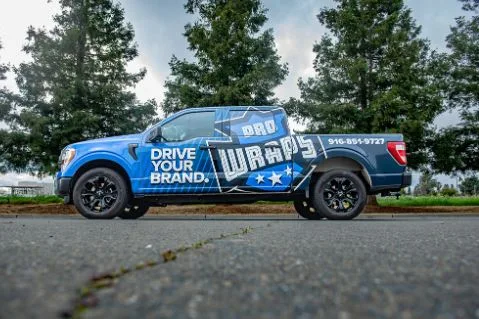
For example, ProWraps in Sacramento, holds both 3M Certified Graphics Installation Company status and G7 Master Print accreditation, along with several additional 3M specialty designations covering window film, walls, floors, and Di-Noc finishes. They’re also a member of the United Application Standards Group (UASG), an industry organization focused on raising installation standards across the wrap profession. For a business comparing shops, that combination of certifications is meaningful because each one represents external accountability, not just self-assessment.
What to Look for in a Warranty
Warranties in the vehicle wrap industry vary widely, and reading the fine print is worth the effort. Some shops offer a blanket “satisfaction guarantee” that doesn’t specify what’s actually covered or for how long. Others provide documented warranties tied to specific materials and workmanship conditions.
A meaningful warranty should clarify a few things: what materials are covered, how long the coverage period lasts, what voids the warranty (certain car wash methods, chemical exposure, improper storage), and whether the coverage applies to both materials and installation labor or just one of the two.
The underlying vinyl manufacturer matters here too. Premium vinyl brands like 3M and Avery Dennison publish their own material warranties, and when a certified installer uses those materials according to the manufacturer’s guidelines, the warranty becomes more enforceable. A shop that uses off-brand or unspecified vinyl can’t offer the same material-backed coverage, regardless of what their paperwork says.
ProWraps publishes its warranty documentation directly on its website, which is a practice worth noting because it signals transparency. When a shop is willing to put its warranty terms in writing and make them publicly accessible, that’s a different posture than a verbal assurance given during a sales consultation.
Installation Standards: What the Process Should Actually Look Like
The installation phase is where most wrap failures originate. Common issues like lifting edges, air bubbles, and premature peeling usually trace back to preparation problems or incorrect application technique, not the vinyl itself.
A professionally run installation includes thorough vehicle surface preparation, which means cleaning and decontaminating the vehicle before any vinyl is applied. Oil, wax residue, and even fingerprints can prevent proper adhesion. Reputable shops also allow for proper off-gassing time after printing, since freshly printed vinyl that goes straight to installation can develop adhesion problems.
The physical application process requires skill, especially around curves, recesses, and complex body lines. Certified installers are trained to apply heat and stretch vinyl correctly without creating stress points that lead to premature lifting.
ProWraps describes their installation process in four stages: initial consultation, free estimate, design and print production, and professional installation by certified installers. That structure ensures the project moves through a defined quality process rather than being rushed from design to vehicle in a single step.
Understanding Material Grades and Lifespan
Not all vinyl is the same, and the grade of material used directly affects how long a wrap performs in Sacramento’s climate. Northern California summers bring extended heat and intense UV exposure, both of which accelerate wear on lower-quality films.
Commercial-grade vinyl from established manufacturers is engineered for outdoor exposure and typically rated for 3 to 7 years depending on the specific film and how the vehicle is used and stored. Economy-grade or uncertified vinyl may look similar at installation but tends to shrink, fade, or lose adhesion significantly faster under real-world conditions.
For commercial and fleet operators, the cost difference between premium and economy vinyl is often recovered in longevity alone. A wrap that lasts six years costs less on a per-year basis than one that needs replacement in three.
The Design and Print Side of the Process
One aspect of vehicle wrap quality that doesn’t always get discussed is what happens before the vinyl ever touches the vehicle. The design and print production phase sets up how the finished wrap looks and how consistently it performs across the surface area of the vehicle.
G7-certified print production means the colors in your design match what comes off the printer, which matters whether you’re wrapping one vehicle or a fleet of thirty. Inconsistent color reproduction can create a visibly mismatched look, especially on larger vehicles where multiple print panels are joined together.
ProWraps handles design in-house through their graphic design team, which allows for tighter coordination between the design intent and the production output. Clients with existing brand assets can bring finalized artwork, while those starting from scratch work through a design discovery and revision process. The design phase typically takes one to two weeks depending on project scope, with installation completing within two to four business days after production.
Questions Worth Asking Any Sacramento Wrap Shop
Before committing to any wrap shop in Sacramento, a few direct questions can reveal a lot about how a shop actually operates:
What certifications do your installers hold, and can you document them? A shop that can’t point to verifiable credentials should prompt follow-up questions.
What vinyl brands do you use, and what are the manufacturer-rated lifespans for those materials? If the answer is vague, that’s a signal worth noting.
Do you have a written warranty, and what specifically does it cover? Ask for a copy before signing anything.
What does your vehicle preparation process look like before installation? A thorough answer here indicates a shop that takes the technical side seriously.
Can you show me examples of wraps you’ve completed on vehicles similar to mine? Portfolio depth matters, especially for commercial vehicles with complex panel configurations.
These questions don’t require any special expertise to ask, but the quality of the answers will tell you a great deal about how a given shop approaches its work.
Frequently Asked Questions
What makes one vehicle wrap company better than another in Sacramento? The main differentiators are certification credentials, the grade of vinyl materials used, the thoroughness of the installation process, and whether the shop provides a documented warranty. Shops with third-party certifications like 3M and G7 Master Print have been held to external standards, which reduces the risk of subpar work.
How long should a professional vehicle wrap last in Sacramento’s climate? A professionally installed wrap using commercial-grade vinyl typically lasts 3 to 7 years. Sacramento’s heat and UV intensity can shorten that range if lower-grade materials are used or if the vehicle isn’t maintained properly. Proper hand-washing and avoiding harsh chemical cleaners extend wrap life significantly.
Do vehicle wraps damage the original paint? No, when installed and removed correctly by a trained professional, high-quality vinyl wraps do not damage factory paint. In many cases, the wrap provides a layer of protection against minor surface wear and UV fading. The key variable is the quality of the installation and removal process.
What is a 3M Certified Graphics Installation Company? It’s a designation earned by wrap shops that complete 3M’s training program and demonstrate proficiency in applying commercial vinyl graphics according to 3M’s specifications. It indicates the installer follows a defined process rather than improvising technique, which affects both the quality and the longevity of the finished wrap.
How much does a vehicle wrap cost in Sacramento? Pricing varies based on vehicle size, design complexity, and the extent of vinyl coverage. Full wraps for commercial vehicles generally range from $2,500 to $5,000. Partial wraps and decal packages typically cost less. Most reputable shops provide no-obligation estimates before any work begins.
What is G7 Master Print accreditation, and why does it matter for vehicle wraps? G7 is an internationally recognized standard for print color accuracy, developed by Idealliance. For vehicle wraps, G7-certified print production ensures that colors are reproduced consistently and accurately, which is especially important for fleet wraps where multiple vehicles need to match.
Can wrapped vehicles be taken through car washes? Touchless or hand washing is recommended for wrapped vehicles. Automated brush car washes can lift wrap edges or cause premature wear, particularly at panel seams and corners. Most professional wrap shops provide care instructions as part of the post-installation process.