UV Laser Engraving Explained: Why It’s Becoming the Go-To Choice for Precision Marking
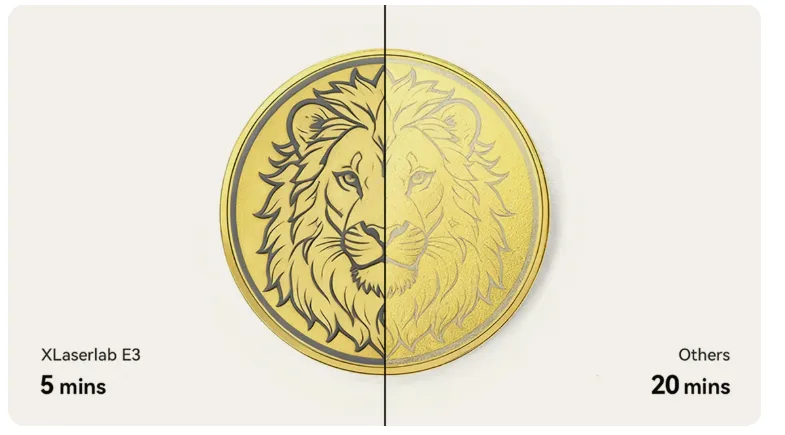
If you’ve ever tried engraving on delicate materials like glass, coated metals, or plastics, you’ve probably run into one common issue—heat damage. Burn marks, discoloration, or uneven results can quickly turn a good design into a failed piece.
In many workshops, this is a frustrating pattern: the design is correct, the setup is correct, but the final result still doesn’t match expectations. As engraving demands shift toward finer detail and higher-value materials, even small imperfections become unacceptable.
That’s exactly why UV engraving is gaining attention across workshops and production environments in the US.
Solutions such as the Xlaserlab E3 UV Laser Engraver are increasingly being adopted by workshops that need precise, heat-free engraving on sensitive materials.
What Makes UV Laser Engraving Different from Traditional Methods
At its core, UV systems operate differently from traditional marking approaches. Instead of relying on heat to remove material, they use shorter wavelengths that interact with the surface at a much finer level.
The result is a process that prioritizes control over force—and for many users, that distinction changes everything.
Cold Processing: Engraving Without Heat Damage
One of the most important differences is what’s often referred to as “cold processing.”
Rather than burning or melting the material, UV engraving minimizes thermal impact. This means:
- No visible burn marks
- Reduced material deformation
- Cleaner edges, even on thin or coated surfaces
The real challenge isn’t removing material—it’s doing it without damaging what surrounds it. This is where cold processing becomes critical.
Why Material Compatibility Is a Big Advantage
Another key advantage is versatility.
UV systems can be applied across:
- Glass
- Plastics
- Coated metals
- Certain ceramics
In traditional workflows, switching materials often means switching processes. Here, that boundary becomes less rigid, which simplifies production and reduces setup time.
Where UV Laser Engraving Is Commonly Used Today
As adoption grows, UV-based marking is appearing in very different environments—from small studios to industrial production.
Custom Products and Small Business Workshops
In custom workshops, flexibility is essential.
UV engraving is commonly used for:
- Personalized items
- Custom branding
- Small-batch production
Cleaner results mean less correction work, which directly improves turnaround time and margins.
Industrial Marking and Precision Components
In industrial environments, consistency matters more than speed alone.
Applications include:
- Electronics
- Medical components
- Precision metal parts
Here, even small inconsistencies can affect performance. Many operators find that surface control—not just marking capability—is the deciding factor.
Creative and Artistic Engraving
In design-driven applications, the focus shifts to visual expression.
UV systems allow creators to:
- Preserve fine textures
- Work across mixed materials
- Achieve subtle surface variation
This expands what’s possible without introducing risk to delicate materials.
Why More Users Are Switching to UV Laser Engraving Machines
The shift toward UV systems is not about novelty—it’s about solving repeatable problems.
Cleaner Results with Minimal Post-Processing
One of the most immediate benefits is output quality.
Less residue and cleaner edges mean:
- Less polishing
- Fewer corrections
- Faster completion cycles
For many users, the real gain is time saved after processing.
Better Detail for Complex Designs
As designs become more intricate, traditional methods begin to show limitations.
UV engraving enables:
- Sharper detail
- More consistent micro-features
- Reliable reproduction of complex patterns
This becomes especially important in high-value work.
Lower Risk When Working with Sensitive Materials
When working with expensive materials, risk becomes a major concern.
UV systems reduce:
- Material waste
- Failed attempts
- Costly rework
For many operators, this is the deciding factor—not just capability, but reliability.
Choosing the Right UV Laser Engraving Machine
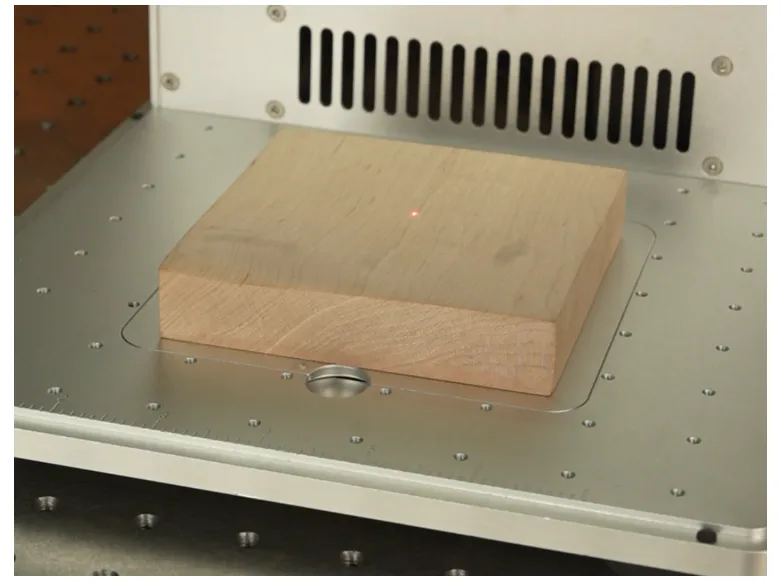
Selecting the right system involves more than comparing specifications.
What Beginners Often Overlook
A common mistake when choosing a UV laser engraving machine is focusing only on specs instead of workflow.
In practice, many users only realize this after their first few failed attempts—when the machine performs as expected, but the results still fall short.
What matters more is:
- Consistency across jobs
- Ease of use
- Stability across materials
Balancing Speed, Precision, and Usability
The real challenge is balance.
Too much focus on speed reduces precision.
Too much focus on precision slows production.
The most practical systems are those that remain stable across different use cases, rather than optimized for a single scenario.
A Practical Example: Compact UV Laser Systems
Compact systems are becoming increasingly common in workshops and small production environments.
For example, setups built around the Xlaserlab E3 UV laser engraver show how modern UV systems can combine high-resolution output, efficient processing speed, and simplified workflows. In practice, this allows users to move from design to finished piece with fewer adjustments and less trial-and-error.
How UV Laser Engraving Fits into Modern Workflows
UV engraving is no longer limited to a single stage—it’s becoming part of a broader workflow.
From Prototype to Production
One key advantage is flexibility.
The same system can support:
- Early-stage prototyping
- Small-batch production
- Scaled manufacturing
This reduces the need to switch tools as projects evolve.
Supporting Both Creative and Industrial Needs
UV systems now bridge multiple domains:
- Design
- Engineering
- Manufacturing
This cross-functionality is part of why adoption continues to grow.
What materials can UV engraving work on?
UV systems work on glass, plastics, coated metals, ceramics, and other sensitive materials where thermal damage must be minimized.
Is a UV laser engraving machine suitable for beginners?
Yes, especially modern systems designed for usability. However, understanding workflow and material behavior remains important for consistent results.
How is UV engraving different from fiber laser engraving?
Fiber systems rely more on heat, while UV systems minimize thermal impact, making them better suited for delicate or high-precision applications.
Conclusion
As engraving demands continue to evolve—from customization to precision manufacturing—tools that offer both control and consistency are becoming essential.
Solutions like the Xlaserlab E3 UV Laser Engraver illustrate how UV technology is moving beyond basic marking, enabling clean, high-resolution results across a wide range of materials. For workshops and production teams alike, this shift represents not just a new tool, but a more reliable way to deliver quality at scale.