Why More People Are Moving Away from Downloadable Software in 2026
A Gradual but Defining Change in Digital Behaviour
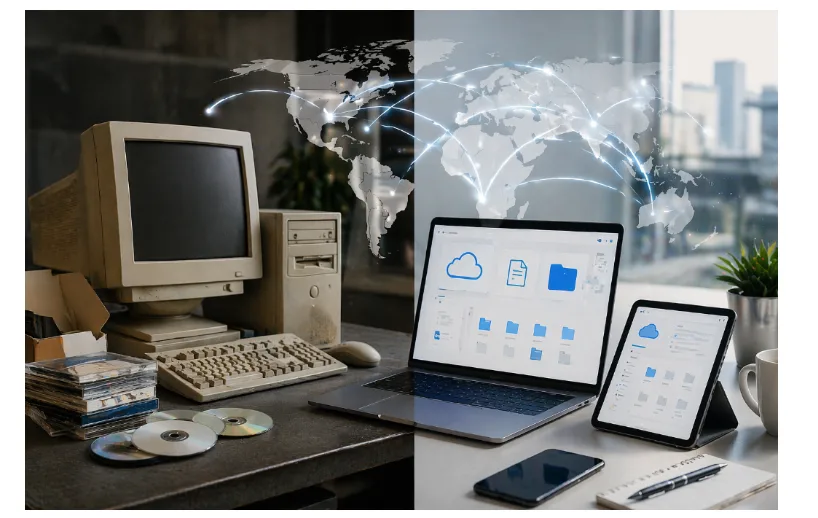
The reliance on downloadable software is steadily declining as users shift towards faster, more accessible alternatives. What once required installation, updates, and device-specific compatibility is increasingly handled within the browser.
Many platforms now allow users to extract images from PDF documents directly online, eliminating the need for traditional software installations.
This shift is not abrupt, but it is consistent. Across industries, users are favouring tools that reduce setup time and allow immediate access to functionality.
Changing Expectations Around Accessibility
Modern users expect tools to be available instantly, without barriers. The process of downloading and configuring software is often seen as unnecessary friction, particularly for tasks that are simple or occasional.
Browser-based tools address this by offering immediate access, regardless of device or operating system. This level of accessibility has become a baseline expectation rather than a premium feature.
The Role of Browser Technology
Advancements in browser capabilities have played a significant role in this transition. Tasks that previously required local processing can now be handled efficiently within the browser itself.
Technologies such as client-side rendering and in-browser processing have enabled tools to operate without relying heavily on external servers or installed applications. As a result, performance gaps between browser-based tools and traditional software have narrowed.
Efficiency in Everyday Workflows
For many users, the shift is driven by efficiency rather than preference. Quick tasks no longer justify the time required to install or update software.
Similarly, tools that enable users to convert PDF data into editable spreadsheets in the browser are gaining traction globally.
These tools reduce the number of steps involved in completing common tasks, allowing users to move from input to output with minimal interruption.
Security and Data Handling Considerations
Security remains a key factor in software adoption. Browser-based tools often operate within controlled environments, reducing exposure to system-level vulnerabilities.
At the same time, there is increasing demand for transparency in how data is processed. Users are becoming more aware of where their files are stored and how they are handled, leading to a preference for tools that clearly communicate their data practices.
Limitations That Still Remain
Despite the shift, downloadable software continues to play an important role. High-performance applications, complex workflows, and offline requirements still rely on locally installed programs.
Certain industries, particularly those involving specialised or resource-intensive tasks, continue to depend on desktop software for stability and control.
Industry-Wide Implications
The movement away from downloadable software is influencing how products are developed and distributed. Companies are increasingly prioritising browser-first solutions, designing tools that can be accessed instantly without installation.
This approach not only improves accessibility but also simplifies updates and maintenance, as changes can be deployed centrally without requiring user action.
A Long-Term Transition, Not a Replacement
The shift should not be viewed as a complete replacement of desktop software, but rather as a redistribution of use cases. Simpler, everyday tasks are moving to the browser, while complex operations remain on local systems.
Over time, this balance may continue to evolve as browser technologies advance further.
Conclusion
The move away from downloadable software reflects broader changes in user behaviour and expectations. Convenience, speed, and accessibility are becoming central to how tools are evaluated.
While traditional software still holds relevance, particularly in specialised environments, browser-based alternatives are increasingly shaping the future of everyday digital workflows.